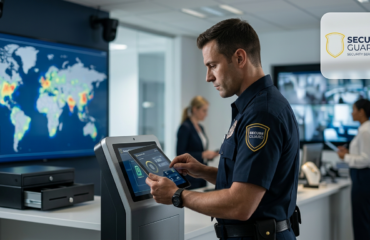
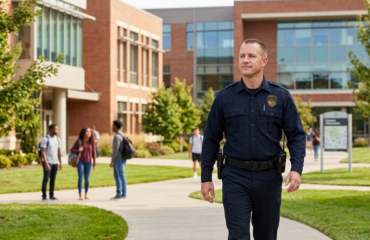
Film production security helps protect cast, crew, equipment, vehicles, locations, and restricted production areas during movie, television, commercial, and video shoots.
Unlike a permanent office or warehouse, a production site can change from one day to the next. Crews may work at studios, private properties, warehouses, streets, parking areas, outdoor locations, or temporary sets. Each location may have different entrances, equipment zones, parking plans, visitor activity, and security concerns.
For that reason, professional film production security should be planned around the specific shoot rather than treated as a standard guard assignment.
Secure Guard can support production locations with armed and unarmed security officers, mobile patrols, access control, monitoring, reporting, and other approved security measures based on the production’s needs.
What Is Film Production Security?
Film production security refers to the personnel, procedures, and security systems used to help control access, protect assets, monitor production areas, and support a safe working environment during filming.
Depending on the shoot, production security may involve:
- Set and location access control
- Credential verification
- Equipment-area monitoring
- Parking and vehicle procedures
- Perimeter patrols
- Base-camp security
- After-hours coverage
- Talent and VIP access support
- Incident documentation
- Communication with production management
The exact duties should be documented through site-specific post orders before coverage begins.
1. Film Production Security Guards Control Set Access
Access control is one of the most important duties on many film and television productions.
Production locations often have cast members, crew, vendors, drivers, extras, contractors, visitors, and other authorized personnel arriving throughout the day. Without clear access procedures, it can be difficult to determine who should be inside restricted production areas.
Film set security guards may support:
- Credential checks
- Production badges
- Guest sign-in
- Vendor access
- Vehicle-entry procedures
- Restricted-area control
- After-hours entry
Production management should define who may enter and which credentials are acceptable. Security officers should then follow those procedures consistently.
2. Movie Set Security Helps Protect Equipment and Production Assets
Film productions may use cameras, lighting systems, sound equipment, vehicles, props, costumes, generators, communication devices, and other valuable assets.
Some of this equipment may remain at the production location between scenes, during meal breaks, or overnight.
Security officers may help by:
- Monitoring equipment-storage areas
- Checking access to production vehicles
- Patrolling staging areas
- Observing loading and unloading activity
- Documenting unusual activity
- Checking gates, doors, and perimeter areas
Security does not guarantee that theft or damage will never occur. However, professional coverage adds another layer of visibility, access control, and documentation.
3. Security Guards Can Support Crowd and Perimeter Control
Productions filmed in visible or public-facing locations can attract bystanders, fans, photographers, or people who are simply curious about the shoot.
Security personnel can support approved perimeter procedures by helping keep unauthorized individuals away from restricted production areas.
Depending on the location, duties may include:
- Monitoring production boundaries
- Directing authorized visitors to check-in points
- Helping keep pathways clear
- Observing activity around set entrances
- Communicating with production staff when crowd conditions change
Security officers should use professional communication and follow production instructions rather than unnecessarily escalating routine interactions with bystanders.
4. Film Production Security Can Support Cast and Talent Access
High-profile cast members, executives, directors, or invited guests may require more controlled movement through a production site.
Security officers may help maintain restricted access around:
- Trailers
- Dressing areas
- Production offices
- Private entrances
- Vehicles
- Holding areas
For productions involving a documented threat or higher-profile protective requirement, a separate executive-protection plan may be appropriate.
Secure Guard also provides executive protection services for assignments that require a more specialized protective approach.
5. Parking and Vehicle Management Require Clear Procedures
Production locations may have crew parking, talent vehicles, equipment trucks, delivery vehicles, generators, trailers, and other temporary vehicle activity.
Security personnel can support parking and vehicle procedures on private production property by:
- Checking vehicle credentials
- Monitoring approved parking areas
- Directing authorized vehicles to designated areas
- Helping keep private entrances clear
- Documenting vehicle activity
However, private security guards should not automatically be used for public-road closures or traffic-control duties that require government approval, certified traffic plans, or law-enforcement personnel.
The California Film Commission explains that filming on state property requires permits and that certain Caltrans lane, ramp, and road closures require additional advance planning.
In Los Angeles, some film-related public traffic-control activities require LAPD officers under established FilmLA procedures. Review the FilmLA traffic-control requirements when planning a Los Angeles-area shoot.
6. Overnight Film Set Security Can Protect Temporary Locations
Some productions leave equipment, trailers, temporary structures, or vehicles at a location after filming ends for the day.
That can create different security concerns than those present during active filming.
After-hours security may include:
- Gate and entrance checks
- Equipment-area patrols
- Vehicle observation
- Perimeter inspections
- Lighting observations
- Incident reporting
For larger locations, mobile patrol services may extend coverage across parking areas, equipment yards, perimeter roads, and multiple production zones.
7. Video Monitoring Can Support Production Security
Some production sites may already use temporary or permanent security cameras.
When appropriate, video monitoring services can support observation across entrances, parking areas, equipment zones, base camps, and other priority locations.
Monitoring may help with:
- Entrance observation
- After-hours activity verification
- Equipment-area visibility
- Incident documentation
- Communication with on-site officers or patrols
Technology is most useful when it works alongside clear procedures and trained personnel.
8. Security Reporting Helps Production Managers Track Activity
A professional security program should provide useful documentation.
Production managers may need records of:
- Patrol activity
- Access issues
- Unauthorized visitors
- Parking incidents
- Equipment-area concerns
- Property damage
- After-hours activity
- Follow-up requirements
Secure Guard uses SecureTrack security reporting and patrol verification to support digital activity reports, checkpoints, incident documentation, photos, and post orders depending on the client’s program.
Clear reporting allows production management to review what occurred without relying only on verbal shift handoffs.
California Licensing Requirements for Film Production Security Guards
California regulates security guards through the Bureau of Security and Investigative Services.
Security guard applicants must meet BSIS requirements that include:
- Being at least 18 years old
- Completing a California DOJ and FBI background check
- Completing required Power to Arrest training
- Completing required security-officer skills training
- Completing annual continuing training
Productions can review current requirements through the California BSIS Security Guard Registration Fact Sheet.
Armed production security requires additional BSIS firearms-permit requirements. Not every film production needs armed officers, and armed coverage should only be considered when the production’s documented risk level supports it.
Film Permits and Production Safety Still Apply
Private security does not replace film permits, fire-safety requirements, law-enforcement assignments, or other production approvals.
The California Film Commission provides state permitting and production-safety resources for productions filming on California state property.
For example, productions may need additional review or personnel when filming involves:
- State-owned property
- Caltrans roads
- Lane or road closures
- Pyrotechnics
- Drones
- Fire-sensitive locations
- Other regulated production activity
Review the California Film Commission production-safety resources and applicable local permit requirements before production begins.
How Many Security Guards Does a Film Production Need?
There is no single guard-to-production ratio that fits every shoot.
The number of officers should depend on factors such as:
- Number of entrances
- Size of the property
- Number of buildings or production zones
- Parking areas
- Public exposure
- Equipment value
- Number of cast and crew members
- Operating hours
- Overnight equipment storage
- Restricted or VIP areas
For example, a small indoor commercial shoot may only require one controlled entrance. A larger outdoor production may need separate positions for entrances, equipment areas, parking, base camp, and roaming patrols.
The best staffing plan begins with a review of the production location.
Armed vs. Unarmed Security for Film Sets
Most routine production-security duties can often be performed by professional unarmed officers.
These duties may include:
- Access control
- Credential verification
- Equipment monitoring
- Parking procedures
- Perimeter patrols
- Incident reporting
Armed security may be considered when a production has a documented higher-risk condition, high-value assets, specific threats, or other circumstances that justify armed coverage.
Secure Guard’s guide to armed vs. unarmed security explains the differences in more detail.
Questions to Ask a Film Production Security Company
Before hiring production security, ask:
- Are the assigned guards currently registered with BSIS?
- How will you assess the filming location?
- How many posts do you recommend?
- How will access points be controlled?
- How will equipment areas be monitored?
- How are overnight patrols handled?
- How are officer call-offs handled?
- What reporting will production management receive?
- How are serious incidents escalated?
- Can officers work with our existing cameras and access-control procedures?
A professional provider should be able to explain the entire coverage plan before filming begins.
Film Production Security Should Fit the Shoot
Every movie, television, commercial, or video production operates differently.
A studio shoot may have permanent entrances and established security systems. By contrast, an on-location shoot may use temporary fencing, public parking, multiple access points, production vehicles, and equipment staging areas.
Therefore, film production security should be customized around the actual location, schedule, equipment, cast and crew activity, parking plan, and public exposure.
Secure Guard Security Services can combine on-site officers, mobile patrols, video monitoring, access procedures, supervision, and SecureTrack reporting based on the needs of the production.
Explore our full range of professional security services.
To discuss security for an upcoming film, television, commercial, or video production, call 888-908-7818 or request a security consultation with Secure Guard.