Business disruptions can happen with little warning. A fire, flood, power outage, burglary, vandalism incident, equipment failure, construction project, or temporary closure can suddenly change how a property operates.
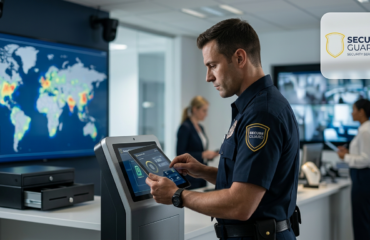
During these periods, business security guards can help organizations maintain control of the property while normal operations are restored. Security personnel can monitor access, protect equipment and inventory, conduct patrols, document incidents, support employees and contractors, and help management maintain visibility during changing conditions.
Security does not replace a business continuity or emergency recovery plan. Instead, it can become an important part of that plan by helping protect the physical property, people, and assets throughout the recovery process.
What Is Business Continuity?
Business continuity is the process of preparing an organization to continue essential operations or restore them after a disruption.
According to Ready.gov, business preparedness should address emergency response, communications, information technology recovery, and continuity planning.
Businesses can review federal preparedness guidance through the Ready.gov business emergency planning resources.
Physical security should be considered alongside those broader recovery plans, particularly when a disruption affects access to the property, employee activity, valuable assets, or normal supervision.
When Might a Business Need Additional Security?
Businesses may need temporary or expanded security coverage after events such as:
- Fire or smoke damage
- Flooding or severe weather
- Power outages
- Burglary or attempted burglary
- Vandalism
- Broken gates, doors, or access-control systems
- Temporary business closures
- Construction or restoration work
- Alarm-system failures
- Equipment or infrastructure damage
- Employee or customer access restrictions
- Public disturbances near the property
The appropriate security response depends on what happened, which parts of the property remain accessible, what assets are exposed, and how quickly normal operations are expected to resume.
How Security Guards Support Business Recovery
1. Control Access to the Property
After a disruption, normal entrances and access procedures may change.
Employees, contractors, insurance representatives, restoration crews, delivery personnel, inspectors, and vendors may all need temporary access to the property.
Security officers can help management maintain an organized access process by:
- Monitoring entrances
- Verifying authorized personnel
- Maintaining visitor or contractor logs
- Restricting access to damaged areas
- Directing people to approved entrances
- Observing deliveries and equipment movement
Clear access procedures become especially important when normal electronic systems, gates, or building controls are unavailable.
2. Protect Buildings During Temporary Closures
A temporarily closed business can become more vulnerable because fewer employees and customers are present.
Vacant or partially occupied properties may attract trespassing, vandalism, theft, or unauthorized entry.
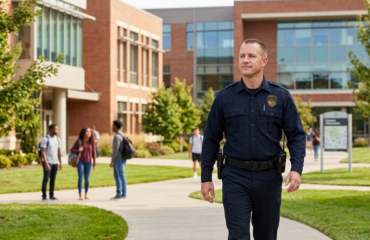
Security officers can provide a visible presence and conduct documented patrols around:
- Entrances and exits
- Parking lots
- Loading areas
- Storage areas
- Building perimeters
- Equipment yards
- Temporary fencing
- Damaged access points
Businesses that do not require a fixed officer throughout the entire day may also use mobile patrol services for scheduled or randomized property checks.
3. Protect Equipment, Inventory, and Other Assets
Recovery work can temporarily expose valuable property that is normally protected behind locked doors, secured rooms, alarm systems, or controlled-access areas.
This can include:
- Inventory
- Computers and electronics
- Construction materials
- Machinery
- Tools
- Vehicles
- Documents
- Replacement equipment
Security personnel can monitor designated areas and document unusual activity while repairs and restoration are underway.
4. Monitor Contractors and Temporary Work Areas
Business recovery often brings new people onto a property.
Restoration contractors, electricians, plumbers, engineers, insurance adjusters, equipment vendors, and construction personnel may need access outside normal operating procedures.
Security officers can help manage these temporary conditions by following approved visitor and contractor procedures and observing activity around restricted parts of the property.
The goal is not to interfere with restoration work. It is to help the business maintain control while normal access procedures are temporarily altered.
5. Conduct Documented Patrols
Conditions can change quickly during a recovery period.
A damaged door may become unsecured. Temporary fencing may move. A water leak may appear. Exterior lighting may fail. Contractors may leave equipment in an unexpected area.
Regular patrols allow security officers to observe the property and document concerns as they develop.
Depending on the assignment, patrols may include:
- Doors and gates
- Temporary barriers
- Parking areas
- Storage locations
- Exterior lighting
- Fire exits
- Equipment areas
- Restricted spaces
6. Report Changing Property Conditions
Recovery teams need reliable information about what is happening at the site.
Security officers can document observations such as:
- Damaged access points
- Safety hazards
- Unauthorized persons
- Suspicious vehicles
- Property damage
- Lighting failures
- Open doors or gates
- Contractor arrivals and departures
- Equipment movement
- Incidents requiring management attention
This documentation gives operations teams and property managers greater visibility, particularly during nights, weekends, or other periods when management may not be physically present.
SecureTrack Can Help Maintain Visibility During Recovery
Security activity becomes more useful when it is documented and accessible to management.
Secure Guard uses SecureTrack to support patrol records, incident reports, checkpoints, activity documentation, and operational visibility depending on the service configuration.
During a business recovery period, this can help create a record of:
- Officer attendance
- Patrol completion
- Security incidents
- Photos and observations
- Access concerns
- Property-condition changes
- Items requiring follow-up
This makes it easier for supervisors and authorized client personnel to review activity instead of relying entirely on verbal updates.
Security Officers Can Support Emergency Communication
Some situations require immediate communication rather than an end-of-shift report.
Security officers should understand the property’s escalation procedures and know who to contact when conditions require additional support.
This may include situations involving:
- Active trespassing
- Fire or smoke
- Medical emergencies
- Major property damage
- Alarm activations
- Serious disturbances
- Utility problems affecting safety
- A significant failure of temporary barriers or access controls
Depending on the situation, officers may need to contact supervisors, property management, emergency contacts, or public emergency services.
Security Can Help During Phased Reopening
Businesses do not always return to full operations immediately after a disruption.
A property may reopen one building, floor, entrance, department, or operating area while repairs continue elsewhere.
Security personnel can support this phased approach by helping management:
- Keep damaged areas restricted
- Direct employees and visitors to approved entrances
- Monitor temporary pedestrian routes
- Control contractor access
- Observe customer activity
- Monitor temporary parking arrangements
- Document problems during reopening
As conditions change, post orders and officer responsibilities should be updated so the security plan continues to match the property.
Mobile Patrol Can Support Properties With Limited Operations
Some recovering businesses do not need continuous standing-guard coverage.
A property that is closed overnight or operating on a reduced schedule may instead benefit from scheduled or randomized mobile patrol checks.
Patrol officers can inspect designated areas, document conditions, check access points, and respond to approved service requests.
Mobile patrol can also supplement on-site personnel when the property has a large parking area, multiple buildings, or locations that are difficult to monitor from one fixed post.
Learn more about Secure Guard mobile patrol services.
Video Monitoring Can Extend Coverage
Security cameras can provide additional visibility when parts of a facility remain closed or lightly staffed.
Depending on the property and system configuration, video monitoring may help observe:
- Entrances
- Parking areas
- Perimeters
- Equipment yards
- Loading areas
- Temporary access points
When suspicious activity is detected, monitoring personnel can follow established escalation procedures.
Businesses can combine guards and patrols with video monitoring services when broader coverage is required.
Security Should Be Part of a Larger Recovery Plan
Physical security is only one part of business continuity.
Ready.gov recommends that organizations prepare for business disruptions through continuity planning, emergency response procedures, crisis communications, and information-technology recovery planning.
Security can support those efforts by helping protect facilities, manage physical access, document site conditions, and coordinate with management during the recovery period.
The Cybersecurity and Infrastructure Security Agency also encourages organizations to use a structured approach to physical security and resilience based on threats, vulnerabilities, and the conditions of the property.
Businesses can review additional guidance through CISA’s physical security resources.
A Security Assessment Should Follow a Major Disruption
A major incident can change a property’s security risks.
For example:
- A damaged gate may create a new entry point.
- Fire restoration may require doors to remain open.
- Construction fencing may change patrol routes.
- Temporary generators or equipment may increase asset exposure.
- Employees may begin using different entrances.
- Normal cameras or alarms may be offline.
Security coverage that was appropriate before the disruption may therefore need to be adjusted.
A post-incident security assessment can help identify temporary vulnerabilities and determine whether staffing, patrol frequency, access procedures, cameras, or other security measures should change.
How Secure Guard Supports Business Continuity
Secure Guard Security Services provides security programs for businesses, commercial properties, warehouses, construction sites, retail centers, residential communities, healthcare facilities, and other properties experiencing changing security needs.
Depending on the situation, a recovery security plan may include:
- Armed or unarmed security officers
- Temporary security coverage
- Access-control support
- Mobile patrol
- Video monitoring
- Incident documentation
- SecureTrack reporting
- 24/7 dispatch support
- Field supervision
- Updated site-specific post orders
Coverage can be adjusted as normal operations return and temporary risks are resolved.
Build Security Into Your Recovery Plan
Business recovery is easier to manage when physical security is planned rather than added only after a problem occurs.
A professional security provider can review your property’s access points, operating status, damaged areas, valuable assets, contractor activity, parking areas, and temporary vulnerabilities to determine what type of coverage is appropriate.
Request a security assessment to discuss temporary, ongoing, or emergency security coverage for your property.
Frequently Asked Questions About Business Recovery Security
How can security guards help a business recover after an emergency?
Security guards can help control access, protect property and equipment, monitor contractors, conduct patrols, document incidents, observe changing conditions, and support communication while normal operations are restored.
Can security guards protect a temporarily closed business?
Yes. Security coverage can include fixed officers, mobile patrols, access monitoring, perimeter checks, and incident reporting for temporarily closed or partially occupied properties.
Can security guards monitor contractors during restoration work?
Security personnel can support approved contractor-access procedures, maintain logs, monitor restricted areas, and document activity based on the client’s post orders.
Can security services be temporary?
Yes. Businesses may use temporary security during repairs, closures, emergency conditions, construction, equipment failures, or phased reopening and then reduce or change coverage as conditions return to normal.
Should security be included in a business continuity plan?
Physical security can be an important part of a broader continuity plan because disruptions may affect buildings, access controls, valuable assets, employees, contractors, and normal operating procedures.
Can mobile patrol replace a full-time guard?
It depends on the property’s risk level and operating conditions. Some properties can use scheduled patrol checks, while higher-risk locations may require continuous on-site security. A site assessment should determine the appropriate coverage.