Security guards play an important role in helping businesses, residential communities, healthcare facilities, warehouses, construction sites, retail properties, offices, and events maintain organized security procedures.
Their value goes beyond simply standing at an entrance. Professional officers may manage access, conduct patrols, observe unusual activity, document incidents, assist visitors, support emergency procedures, and communicate with supervisors or public safety agencies when necessary.
Understanding why security guards are important also means understanding their limits. Security officers support a property’s safety and security program, but they do not replace police, firefighters, medical personnel, property managers, or other qualified professionals.
This guide explains the everyday roles that make professional security officers valuable across many types of properties.
1. Security Guards Provide a Visible Security Presence
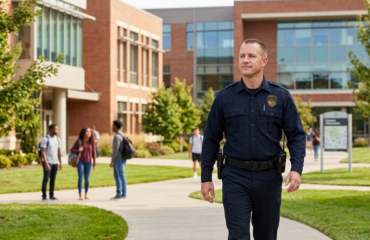
A professional security officer creates a visible presence at a property.
This can be useful around:
- Building entrances
- Parking areas
- Retail locations
- Construction sites
- Warehouses
- Residential communities
- Healthcare facilities
- Events
A visible officer may discourage some opportunistic unwanted activity. However, security should never be presented as a guarantee that theft, vandalism, trespassing, or other incidents will not occur.
Strong security programs combine officer presence with access procedures, patrols, reporting, supervision, lighting, cameras, and other appropriate controls.
2. Security Guards Help Control Access
Access control is one of the most common security responsibilities.
Depending on the property and client procedures, officers may:
- Verify employee credentials
- Confirm visitor appointments
- Review approved access lists
- Maintain visitor logs
- Verify vendors and contractors
- Monitor vehicle entrances
- Direct deliveries
- Protect restricted areas
However, the client should establish who is authorized to enter.
Security officers then apply those approved procedures consistently.
3. Security Guards Conduct Patrols
An officer stationed at one entrance cannot continuously observe an entire property.
For that reason, many security assignments include foot or vehicle patrols.
Patrol routes may include:
- Parking lots
- Parking structures
- Building perimeters
- Loading docks
- Storage areas
- Exterior doors
- Equipment yards
- Common areas
- Gates and fencing
During these patrols, officers can identify conditions such as an unsecured door, damaged gate, lighting problem, property damage, or other activity that requires attention.
For larger properties, mobile patrol services can extend coverage across several areas or buildings.
4. Security Guards Observe and Report Unusual Activity
Observation is a major part of professional security work.
An officer may notice:
- An unauthorized person in a restricted area
- An unusual vehicle
- A damaged lock
- An open gate after hours
- Suspicious activity around parked vehicles
- Property damage
- A recurring security problem
Professional officers should focus on observable facts rather than assumptions about individuals.
When something requires attention, the officer can follow the site’s procedures for notification, escalation, and documentation.
5. Security Guards Document Incidents
Good security service creates a record of important activity.
Depending on the incident, reports may include:
- Date and time
- Location
- People involved
- What the officer observed
- Actions taken
- Management notifications
- Supervisor involvement
- Law-enforcement involvement
- Property damage
- Photos when appropriate
- Items requiring follow-up
Clear reports help management understand what happened and identify recurring problems over time.
6. Security Guards Support De-Escalation
Not every difficult interaction requires physical intervention.
In many situations, calm communication can help keep a disagreement from becoming more serious.
Professional officers may use techniques such as:
- Speaking calmly
- Listening before responding
- Maintaining appropriate distance
- Using professional body language
- Explaining property rules clearly
- Avoiding unnecessary arguments
- Requesting additional assistance when needed
Most importantly, officers should understand when a situation exceeds their role and requires management, a supervisor, law enforcement, emergency medical personnel, or another responsible authority.
7. Security Guards Assist Visitors, Employees, and Residents
Many security assignments are customer-facing.
Depending on the property, officers may:
- Give directions
- Help visitors locate entrances
- Explain access procedures
- Direct delivery drivers
- Receive security-related concerns
- Assist tenants or residents with approved security requests
This is especially important in office buildings, hotels, residential communities, healthcare facilities, retail properties, and events.
Professional security should remain approachable without compromising established procedures.
8. Security Guards Support Emergency Procedures
Security officers can support a property’s established emergency plan.
Depending on their training and assignment, officers may:
- Contact dispatch
- Notify management
- Contact emergency services
- Keep emergency access routes clear
- Direct responders to the correct location
- Control access to an affected area
- Support approved evacuation procedures
- Document what occurred
However, security guards do not replace police officers, firefighters, paramedics, emergency medical technicians, or other qualified emergency professionals.
Any response should remain within the officer’s actual training and approved procedures.
9. Security Guards Help Maintain Consistent Property Procedures
Properties often have rules for visitors, vendors, contractors, parking, deliveries, restricted areas, and after-hours access.
Security personnel can help apply those procedures consistently.
For example, officers may:
- Verify contractor access
- Check visitor authorization
- Monitor loading areas
- Maintain vehicle logs
- Follow parking procedures
- Report repeated access problems
Consistency is especially important at properties where several officers rotate between shifts.
10. Security Guards Work With Cameras and Technology
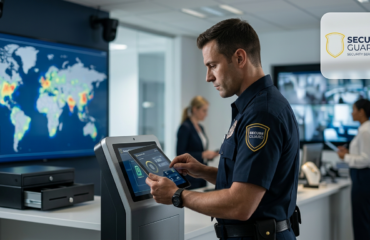
Security personnel can work alongside approved surveillance and reporting systems.
Cameras may provide visibility around:
- Entrances
- Parking areas
- Loading zones
- Perimeters
- Restricted areas
- Equipment yards
If monitoring personnel identify unusual activity, they can follow site-specific response procedures.
That may include notifying an on-site officer, mobile patrol unit, supervisor, client representative, or public safety agency when appropriate.
Learn more about video monitoring services.
11. Security Guards Help Management Understand What Is Happening at the Property
Security officers often work during evenings, overnight hours, weekends, and holidays when management is not physically present.
Through patrol reports, Daily Activity Reports, incident documentation, and communications, officers can provide useful information about:
- Visitor activity
- Parking concerns
- Access problems
- Property damage
- Lighting issues
- Unusual after-hours activity
- Recurring security concerns
This gives property managers better visibility into what happens outside normal business hours.
12. Security Guards Connect the Property to a Larger Security Operation
A professional security officer should not operate without support.
Depending on the security program, field officers may work with:
- Dispatch personnel
- Field supervisors
- Mobile patrol officers
- Monitoring operators
- Property managers
- Client representatives
- Emergency responders
Secure Guard field personnel are supported through a 24/7 Dispatch and Operations Center.
This gives officers a defined communication structure when conditions change or additional assistance is required.
Why Security Guards Matter at Different Property Types
Commercial Offices
Office security may focus on lobby coverage, visitors, employee access, parking areas, contractor access, after-hours security, and incident reporting.
Warehouses and Logistics Facilities
Warehouse officers may manage truck gates, drivers, loading docks, trailer yards, employee parking, perimeter patrols, and restricted areas.
Construction Sites
Construction security may involve gate control, contractor access, equipment and material checks, fencing, mobile patrol, monitoring, and after-hours coverage.
Residential Communities
Residential officers may manage visitors, gates, parking areas, common spaces, patrols, and after-hours concerns.
Retail Properties
Retail officers may provide visible coverage, parking patrols, customer assistance, observation, de-escalation, and incident reporting.
Healthcare Facilities
Healthcare officers may support entrance procedures, visitors, parking, restricted locations, de-escalation, workplace violence procedures, and incident documentation.
Events
Event security may include entrances, credentials, crowds, restricted areas, parking, traffic control, and incident response.
Security Guards Should Not Be Expected to Do Everything
The importance of security personnel does not mean they should be treated as a replacement for every other professional role.
Security guards should not automatically be expected to:
- Act as police officers
- Provide medical treatment beyond their training
- Replace firefighters
- Make management decisions
- Create company policies
- Perform maintenance work
- Guarantee that no crime will occur
Clear responsibilities make security service more effective and reduce confusion during incidents.
Professional Security Requires Clear Post Orders
Officers need written instructions that explain how the property operates.
Post orders may define:
- Officer responsibilities
- Patrol routes
- Patrol frequency
- Access-control procedures
- Visitor rules
- Restricted areas
- Emergency contacts
- Incident-reporting standards
- Client notification procedures
- Escalation procedures
Without clear post orders, different officers may handle similar situations differently.
Professional Security Requires Accountability
Clients should be able to verify that required security activity occurred.
Secure Guard uses SecureTrack to support field reporting and accountability.
Depending on the service configuration, SecureTrack can support:
- Officer attendance
- GPS-supported patrol activity
- Security checkpoints
- Daily Activity Reports
- Incident reports
- Photos
- Post-order access
- Supervisor visibility
As a result, authorized clients can gain greater visibility into the security service they receive.
Professional Security Also Requires Active Supervision
Technology can help verify activity, but security personnel still need management oversight.
Field supervisors may review:
- Officer attendance
- Professional appearance
- Post-order compliance
- Patrol completion
- Reporting quality
- Training needs
- Client concerns
Supervisor visits can identify performance issues before they become recurring service problems.
How Secure Guard Supports Professional Security Officers
Secure Guard Security Services builds officer responsibilities around each property’s layout, access points, operating schedule, visitor activity, previous incidents, and client expectations.
Depending on the assignment, coverage can include:
- Armed security officers
- Unarmed security officers
- Access control
- Foot patrols
- Mobile patrol
- Parking-area security
- Video monitoring
- Event security
- Traffic control
- SecureTrack reporting
- 24/7 dispatch support
- Field supervision
- Site-specific post orders
The value of professional security comes from the complete operation behind the officer, not only the person standing at the property.
Explore Secure Guard Security Services or request a security assessment to discuss your property and security requirements.
Frequently Asked Questions About Why Security Guards Are Important
Why are security guards important?
Security guards help manage access, conduct patrols, observe unusual activity, document incidents, assist visitors, support emergency procedures, and communicate with management, supervisors, and public safety agencies when necessary.
Do security guards prevent all crime?
No. Security personnel can improve visibility, support access control, conduct patrols, and create organized response procedures, but no security service can guarantee that every crime or incident will be prevented.
Are security guards the same as police officers?
No. Private security officers and police officers have different roles and authority. Security guards must operate within applicable law, their training, employer policies, and the requirements of their assignment.
Can security guards help during emergencies?
Yes. Depending on their training and assignment, officers can notify dispatch, contact emergency services, help maintain access routes, direct responders, support approved emergency procedures, and document what occurred.
Can security guards help visitors and employees?
Yes. Many security officers provide directions, explain property procedures, help visitors find the correct entrance, receive security-related concerns, and assist with approved access procedures.
Can security guards work with cameras?
Yes. Security officers can work alongside approved video systems and respond according to site-specific procedures when monitoring personnel identify unusual activity.
How can clients verify security activity?
Depending on the security program, activity can be documented through GPS-supported patrols, checkpoints, timestamps, reports, photos, incident records, and supervisor review.
Does Secure Guard provide professional security officers?
Yes. Secure Guard provides armed and unarmed officers, patrols, access control, video monitoring, reporting, dispatch, supervision, and other security services based on the property’s needs.