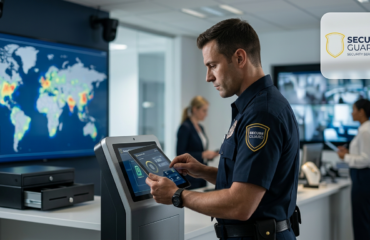
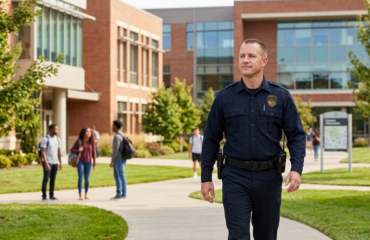
Shopping malls and retail centers bring together stores, restaurants, employees, delivery drivers, families, visitors, and large amounts of vehicle and pedestrian traffic. Because of this activity, mall security requires more than placing one officer at an entrance.
Effective mall security measures combine trained security officers, patrols, video monitoring, parking-area coverage, incident reporting, clear emergency procedures, and communication between security personnel and property management.
Most importantly, the security plan should fit the shopping center itself. A large enclosed mall, neighborhood retail center, outdoor shopping plaza, and mixed-use property can all require different levels of coverage.
Why Mall Security Requires a Layered Approach
Shopping centers are open environments by design. Customers need convenient access, while stores and property managers still need ways to monitor suspicious activity, protect restricted areas, manage crowds, and respond to incidents.
Common mall security concerns can include:
- Shoplifting and retail theft
- Organized retail crime
- Vehicle break-ins
- Parking-area incidents
- Unauthorized access
- Vandalism
- After-hours trespassing
- Disturbances between visitors
- Large crowds during peak shopping periods
- Lost children or vulnerable visitors
- Restricted employee and service areas
- Medical or emergency situations
Therefore, malls usually benefit from several security measures working together rather than relying on one solution.
1. Use Professional Mall Security Guards
Security officers provide the human judgment that cameras and alarm systems cannot provide on their own.
Depending on the property, mall security guards may:
- Patrol common areas
- Monitor entrances and exits
- Observe suspicious activity
- Respond to tenant requests
- Assist shoppers
- Monitor restricted areas
- Respond to disturbances
- Document incidents
- Support emergency procedures
- Communicate with mall management and dispatch
In addition, a professional officer should understand that mall security includes customer service. Officers regularly interact with families, seniors, tourists, employees, vendors, and other visitors.
Secure Guard provides shopping center security services for retail properties that need patrols, incident response, customer assistance, and documented security coverage.
2. Patrol the Entire Shopping Center
A security officer stationed near the main entrance cannot see every part of a mall.
Therefore, regular patrols should cover priority areas throughout the property.
Depending on the shopping center, patrol routes may include:
- Main entrances
- Interior walkways
- Food courts
- Restrooms
- Parking lots
- Parking structures
- Loading areas
- Service corridors
- Employee entrances
- Stairwells
- Emergency exits
- Property perimeters
During each patrol, officers can look for suspicious activity, property damage, blocked exits, lighting problems, unauthorized persons, safety concerns, or other issues that need attention.
3. Give Parking Areas Dedicated Security Attention
Parking lots and garages are a major part of the shopping experience. However, they are often separated from the main retail areas and may contain blind spots or lower-traffic locations.
For this reason, mall security plans should include parking areas.
Security personnel may help monitor:
- Suspicious vehicles
- Vehicle break-ins
- Loitering
- Blocked fire lanes
- Pedestrian activity
- Loading zones
- Exterior lighting
- Property damage
- Unauthorized parking
Larger shopping centers can also use mobile patrol security to cover parking structures, remote areas, and larger property perimeters.
4. Monitor Entrances and Non-Public Areas
Malls need to remain accessible to shoppers. However, not every part of the property should be open to the public.
Security teams should pay particular attention to:
- Employee-only entrances
- Loading docks
- Service corridors
- Storage rooms
- Management offices
- Mechanical areas
- Roof access
- After-hours entrances
In addition, mall management should establish clear procedures for contractors, delivery drivers, vendors, and employees who need access to restricted parts of the property.
CISA guidance for shopping venues also recommends securing non-public entry points and checking them regularly. This can help reduce unnecessary access to areas that customers do not need to enter.
5. Use Video Monitoring to Extend Visibility
Video surveillance can help security teams observe more of the property than officers can watch in person at one time.
For example, cameras may cover:
- Main entrances
- Common areas
- Parking lots
- Parking structures
- Service corridors
- Loading areas
- Exterior walkways
- Other approved high-priority locations
However, cameras are most effective when the property has a clear response procedure.
If someone identifies suspicious activity, the security team should know who needs notification and whether an on-site officer, mobile patrol unit, supervisor, or emergency service should respond.
Secure Guard can combine on-site personnel with video monitoring services when a shopping center needs wider security visibility.
6. Manage Retail Theft With Clear Procedures
Retail theft affects individual stores as well as the larger shopping center environment.
However, mall security officers should not make assumptions about shoppers. Instead, they should follow established procedures and respond to observable behavior and verified information.
Depending on the assignment, security personnel may:
- Provide a visible deterrent
- Observe suspicious activity
- Communicate with store management
- Monitor common areas
- Document significant incidents
- Assist with approved response procedures
- Coordinate with law enforcement when appropriate
For more information, read our guide on how security services help address retail crime in California.
7. Prepare for High-Traffic Shopping Periods
Security needs can change when shopping traffic increases.
For example, malls may experience larger crowds during:
- Holiday shopping periods
- Major sales
- Store openings
- Seasonal events
- Weekend peak hours
- Promotional events
As a result, management may need additional officers, more frequent parking patrols, or temporary changes to entrance and crowd procedures.
CISA recommends that shopping venues review security practices during high-traffic periods and consider measures such as vulnerability assessments, security sweeps, parking patrols, secure non-public entrances, adequate lighting, and clear emergency plans.
8. Use Crowd Management During Busy Periods
Large crowds can create congestion around entrances, escalators, food courts, promotions, and special events.
Therefore, security personnel should understand how to support orderly movement without creating unnecessary conflict.
Depending on the situation, officers may:
- Monitor crowd density
- Keep entrances clear
- Help maintain lines
- Protect emergency exits
- Direct shoppers
- Notify management when an area becomes overcrowded
- Support evacuation procedures when necessary
Clear communication becomes especially important when stores run large promotions or when the mall hosts events.
9. Train Officers in De-Escalation
Shopping centers bring together thousands of people with different expectations and concerns. Therefore, security officers may encounter disagreements, frustrated customers, disturbances, or emotionally charged situations.
Professional security should focus on calm communication whenever circumstances allow.
Useful de-escalation practices can include:
- Speaking calmly
- Listening before responding
- Maintaining professional body language
- Clearly explaining property rules
- Keeping appropriate distance
- Calling for additional assistance when needed
Most importantly, officers should understand when a situation requires a supervisor, management, law enforcement, or emergency medical personnel.
10. Create Clear Emergency Procedures
Mall security personnel need to know what to do before an emergency occurs.
Emergency procedures may address:
- Medical emergencies
- Fire or smoke
- Power outages
- Security alarms
- Major disturbances
- Missing children
- Severe weather
- Evacuation
- Suspicious items
- Violence or immediate threats
In addition, security personnel should know which entrances emergency responders should use and how to communicate with mall management during an incident.
CISA provides physical security planning resources for shopping centers and other public venues through its Hometown Security program.
11. Keep Parking Areas and Storefronts Well Lit
Lighting supports shoppers, security officers, and surveillance systems.
For example, management should regularly review lighting around:
- Parking lots
- Parking garages
- Exterior entrances
- Walkways
- Loading areas
- Service roads
- Building perimeters
When officers identify lighting problems during patrols, they should document and report them for follow-up.
CISA also lists adequate lighting around parking areas and storefronts among protective measures shopping venues can consider.
12. Document Security Incidents
A security incident should not disappear once the immediate problem ends.
Therefore, mall security teams should document important activity.
An incident report may include:
- Date and time
- Location
- People involved
- What the officer observed
- Actions taken
- Management notifications
- Emergency-service involvement
- Property damage
- Photos when appropriate
- Follow-up items
Accurate reports can also help mall management identify recurring concerns across the property.
13. Use SecureTrack for Security Visibility
Security reporting becomes more useful when management can review activity consistently.
Secure Guard uses SecureTrack to support reporting, patrol verification, checkpoints, and incident documentation.
Depending on the service configuration, SecureTrack can provide information about:
- Officer attendance
- Patrol activity
- Daily Activity Reports
- Incident reports
- Checkpoint completion
- Photos
- Supervisor activity
- Items requiring follow-up
As a result, property managers receive greater visibility into security activity during the day and after normal management hours.
14. Give Security Officers Access to 24/7 Support
Shopping centers often operate long hours, and security incidents do not always happen during normal office hours.
For this reason, field personnel need a clear communication and escalation structure.
Secure Guard officers are supported by a 24/7 Dispatch and Operations Center.
Depending on the situation, dispatch can help:
- Receive officer updates
- Contact field supervisors
- Coordinate mobile patrol support
- Notify client contacts
- Escalate significant incidents
- Support field personnel during unusual situations
This gives officers access to operational support when circumstances change.
15. Keep Security Customer-Friendly
Mall security should protect the property without damaging the shopping experience.
Security officers often become some of the most visible representatives of the property.
Therefore, officers should be able to:
- Give directions
- Help visitors locate stores
- Assist with lost children
- Explain property rules
- Communicate professionally
- Help visitors contact mall management
- Respond calmly to complaints
A professional security presence can support both safety and customer service.
16. Review Security Patterns Over Time
Individual incidents can reveal larger problems when management reviews them together.
For example, reporting may show that:
- Vehicle break-ins occur in one section of the parking lot
- Unauthorized access repeatedly occurs at one service entrance
- Disturbances increase during certain hours
- One area repeatedly has lighting problems
- Specific stores experience recurring security concerns
Once management identifies a pattern, it can adjust officer placement, patrol schedules, lighting, camera coverage, access procedures, or other security measures.
Build Mall Security Around the Property
No two shopping centers operate exactly the same way.
Before deciding how much security a property needs, management should review:
- Property size
- Number of stores
- Operating hours
- Entrances and exits
- Parking areas
- Customer traffic
- Previous incidents
- Loading areas
- Existing cameras
- Public events
- Peak shopping periods
- Tenant concerns
Then, the security company can determine where standing officers, patrols, monitoring, or other services may provide the most useful coverage.
How Secure Guard Supports Malls and Shopping Centers
Secure Guard Security Services has supported businesses and commercial properties since 2005. Our shopping center security programs can combine professional officers, patrols, video monitoring, dispatch support, supervision, and connected reporting.
Depending on the property, coverage may include:
- Uniformed security officers
- Entrance and common-area coverage
- Parking-area patrols
- Mobile patrol
- Retail theft observation
- Crowd management
- Customer assistance
- Video monitoring
- Incident reporting
- SecureTrack reporting
- 24/7 dispatch support
- Field supervision
- Site-specific post orders
Most importantly, the security plan should reflect the property’s actual layout, traffic, operating schedule, tenants, and security concerns.
Explore Secure Guard shopping center security services or request a security assessment for your retail property.
Frequently Asked Questions About Mall Security
What do mall security guards do?
Mall security guards may patrol common areas, monitor entrances, respond to disturbances, assist customers, monitor parking areas, observe suspicious activity, document incidents, and follow emergency procedures.
Why are security patrols important in shopping centers?
Patrols allow security officers to inspect parking areas, entrances, common spaces, service corridors, loading areas, and other locations that cannot be continuously observed from one fixed post.
Can mall security guards help with retail theft?
Security personnel can provide a visible presence, observe suspicious activity, communicate with store management, document incidents, and follow approved response procedures. Officers should act according to client policies, training, and applicable law.
Can mall security monitor parking areas?
Yes. Security coverage can include parking lots, parking structures, pedestrian areas, loading zones, and other exterior parts of a shopping property.
Do shopping malls need video monitoring?
Video monitoring can extend visibility across large properties. However, the appropriate camera and monitoring strategy depends on the property’s layout, risks, existing systems, and response procedures.
How many security guards does a mall need?
The number depends on the mall’s size, operating hours, entrances, parking areas, customer traffic, tenant mix, previous incidents, events, and required response time. A site assessment should determine the appropriate staffing level.
Should mall security officers be armed?
Not automatically. Armed or unarmed coverage should be based on the property’s risk assessment, operating environment, client policies, previous incidents, and applicable requirements.
How can malls improve security during the holidays?
Mall operators can review staffing, parking patrols, entrance procedures, lighting, emergency plans, crowd-management procedures, suspicious-activity reporting, and non-public access before high-traffic shopping periods begin.