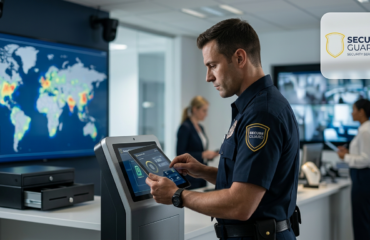
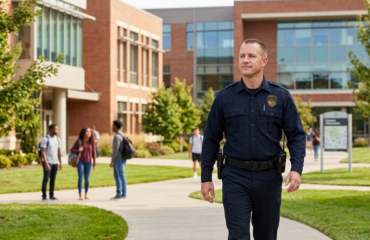
Apartment security in San Jose requires more than cameras, gates, or a security officer standing at an entrance. Multifamily properties often have residents, visitors, delivery drivers, vendors, contractors, and employees moving through shared spaces throughout the day.
Apartment communities may also include parking garages, package rooms, pools, gyms, stairwells, courtyards, mail areas, and multiple entrances. As a result, property managers need security procedures that reflect the way the property actually operates.
A professional apartment security program may combine access control, security officers, mobile patrols, video monitoring, incident reporting, and clearly defined escalation procedures.
Secure Guard provides customized apartment security services for multifamily properties throughout California, including San Jose and Santa Clara County.
Why Apartment Security in San Jose Requires a Site-Specific Plan
No two apartment communities have the same layout or security concerns.
For example, a downtown apartment building may rely on a controlled lobby and underground parking garage. Meanwhile, a larger residential community may contain several buildings, surface parking, multiple gates, outdoor amenities, and wider perimeter areas.
Before recommending security coverage, property managers should review:
- Entrances and exits
- Resident and visitor traffic
- Parking lots and garages
- Package and mail areas
- Stairwells and elevators
- Pools, gyms, and clubhouses
- Vendor and delivery activity
- Previous incidents
- Existing cameras and access-control systems
- Areas where residents frequently report concerns
Once those factors are understood, management can determine where officers, patrols, cameras, access procedures, or other safeguards may provide useful coverage.
1. Access Control Helps Manage Visitors and Vendors
Access control is one of the most important parts of many apartment security programs.
Depending on the community, security officers may support:
- Visitor check-in procedures
- Resident access verification
- Vendor and contractor entry
- Delivery access
- Vehicle-entry procedures
- Temporary visitor passes
- After-hours entrance procedures
- Gatehouse operations
However, officers should follow approved property procedures rather than create their own access rules.
Property management should define who may enter, what information officers should record, which areas are restricted, and when management or law enforcement should be contacted.
2. Mobile Patrols Can Cover Parking Areas and Larger Properties
One stationary officer cannot observe every part of a large apartment community.
Therefore, mobile patrol services may be useful for properties with large parking areas, multiple buildings, garages, perimeter fencing, or several access points.
Patrol officers may check:
- Parking lots and garages
- Building exteriors
- Stairwells
- Secondary entrances
- Mail and package areas
- Pool and clubhouse areas
- Perimeter gates
- Vacant units or renovation areas
In addition, patrol officers can document unusual activity, damaged property, lighting problems, unlocked doors, or other conditions that may require management attention.
Structured patrol routes and checkpoints also make coverage easier to verify.
3. Parking Garage Security Deserves Special Attention
Parking areas can be among the largest shared spaces within an apartment property.
San José Police Department crime-prevention guidance recommends measures such as adequate lighting, securing doors and windows, using alarms, and reporting suspicious activity. The department also advises property owners to reduce opportunities for trespassing by maintaining lighting and securing areas that are out of view.
Property managers can review the San José Police Department Crime Prevention resources and its guidance on loitering and trespassing.
Apartment security procedures may address:
- Garage access
- Guest parking
- Vehicle-entry points
- Lighting concerns
- Suspicious activity around vehicles
- Pedestrian entrances
- After-hours patrols
Security officers should document concerns and follow the property’s approved procedures. They should not take actions outside their assigned authority.
4. Package Rooms and Lobbies Need Clear Procedures
Package deliveries create frequent activity around apartment lobbies, mailrooms, and dedicated package areas.
Rather than relying on one security measure, property managers can combine several procedures, such as:
- Controlled package-room access
- Visitor-management procedures
- Security-camera coverage
- Lobby observation
- Delivery logs
- Resident pickup procedures
Security officers may support these procedures when their duties are clearly defined in the site’s post orders.
For example, an officer may monitor lobby activity, document unusual access, or notify management when repeated problems occur.
5. Video Monitoring Can Support Apartment Security in San Jose
Cameras can provide additional visibility across entrances, parking garages, mailrooms, gates, elevators, common areas, and property perimeters.
However, recorded video alone does not always provide active oversight.
Secure Guard’s video monitoring services can support camera observation, activity verification, communication, documentation, and client-approved escalation procedures.
Depending on the property’s existing system, monitoring may support:
- Entrance observation
- Parking-garage visibility
- Package-area monitoring
- Gate observation
- Common-area monitoring
- After-hours activity verification
- Communication with on-site officers or patrols
For best results, technology should support clearly defined security procedures rather than operate as a standalone solution.
6. Common Areas Require Professional Security Procedures
Pools, gyms, courtyards, clubhouses, laundry rooms, and other shared spaces may require additional attention during evenings, weekends, and busy periods.
Depending on the assignment, security officers may:
- Check common areas during patrols
- Verify access when required
- Document unauthorized activity
- Communicate property rules
- Notify management about recurring concerns
Most importantly, officers should communicate professionally with residents and visitors while following property policies.
7. Security Officers Can Support De-Escalation and Incident Procedures
Apartment security officers may encounter noise complaints, parking disputes, unauthorized visitors, suspicious activity, property damage, or other conflicts.
Clear post orders should explain:
- Which situations the officer should handle
- When management should be contacted
- When law enforcement or emergency services should be called
- What information the officer must document
- Which property rules the officer may enforce
Security officers do not replace police officers, emergency medical personnel, firefighters, or property-management decision makers.
Instead, they can support established procedures and help communicate concerns to the appropriate people.
8. Incident Reporting Gives Property Managers Better Visibility
Professional apartment security should provide more than a visible presence.
Property managers also need useful information about what occurred during each shift.
Security reports may include:
- Daily activity reports
- Incident reports
- Patrol records
- Visitor or access issues
- Parking observations
- Photos when appropriate
- Property-condition concerns
- Follow-up requirements
Secure Guard uses SecureTrack security reporting and patrol verification to support GPS-backed patrol checkpoints, incident reports, photos, post orders, and other activity records depending on the client’s service configuration.
Over time, consistent documentation may help property managers identify recurring concerns. Management can then review patrol schedules, access procedures, lighting, staffing, or other property measures.
California Licensing Matters When Hiring Apartment Security Guards
California regulates security guards through the Bureau of Security and Investigative Services.
BSIS requires guard applicants to complete a criminal-history background check and required training. Registered guards must also complete security-officer skills training and continuing education.
Property managers can review current requirements through the California BSIS Security Guard Registration guide.
When comparing security companies, ask about:
- Company licensing
- Guard registration
- Site-specific training
- Post orders
- Field supervision
- Patrol verification
- Incident reporting
- Replacement staffing
- Insurance coverage
Apartment Security in San Jose Should Work With Existing Technology
Many apartment properties already use cameras, electronic gates, key fobs, intercoms, or other access-control systems.
A security provider should review those systems before recommending additional coverage.
For example, officers may be able to:
- Follow existing gate procedures
- Monitor approved camera feeds
- Document access-control problems
- Respond to alerts according to post orders
- Coordinate with property management
Adding officers without understanding existing technology may create unnecessary duplication or confusion.
Instead, the security plan should define how guards, cameras, patrols, and access systems work together.
Questions San Jose Property Managers Should Ask Security Companies
Before selecting a provider, ask:
- How will you assess our property before recommending coverage?
- What responsibilities will officers have?
- How are patrol routes established?
- How do you handle visitor and vendor access?
- How do you supervise officers?
- How are call-offs and replacement staffing handled?
- What reports will management receive?
- Can patrol activity be verified?
- Can your officers work with our existing security systems?
- How are serious incidents escalated?
A professional provider should explain how the entire security program will operate rather than simply quote an hourly rate.
Apartment Security Services Across Santa Clara County
San Jose is part of the larger Santa Clara County service area. As a result, Secure Guard also supports security planning for commercial, residential, industrial, healthcare, construction, and other properties throughout the county.
Property managers can review Secure Guard’s Santa Clara County security guard services for broader information about available security solutions and service coverage.
This article should remain focused on apartment security in San Jose, while the Santa Clara County page serves as the broader local commercial landing page.
Build the Right Apartment Security Program for Your San Jose Property
Effective apartment security in San Jose should reflect the property’s actual layout, operating hours, resident activity, access points, and previous security concerns.
Depending on the community, the appropriate program may combine:
- On-site unarmed security officers
- Lobby or gate coverage
- Mobile patrols
- Parking-area checks
- Amenity patrols
- Video monitoring
- Visitor-management procedures
- SecureTrack reporting
Secure Guard Security Services develops apartment security programs around each property’s operating environment rather than using a one-size-fits-all staffing model.
Learn more about our apartment security services or our armed and unarmed security officer services.
To discuss security coverage for your San Jose apartment community, call 888-908-7818 or request a security consultation with Secure Guard.