Apartment security in Stockton requires more than placing a guard at an entrance. Apartment communities, condominiums, and HOA-managed neighborhoods often have multiple access points, shared parking areas, amenities, package deliveries, visitors, contractors, and residents moving through the property throughout the day.
Because of that activity, residential communities may face concerns involving unauthorized access, trespassing, vehicle activity, package theft, vandalism, parking disputes, and after-hours disturbances. In addition, pools, clubhouses, garages, mailrooms, and other shared spaces may require different security procedures.
A professional residential security program should therefore reflect the property’s layout, operating hours, access procedures, resident activity, previous incidents, and management expectations.
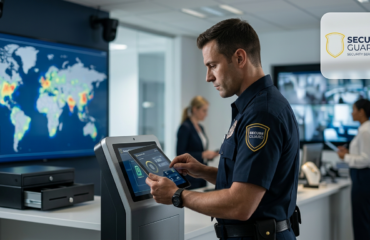
Secure Guard provides customized apartment security services and HOA security services that may combine on-site officers, mobile patrols, access control, video monitoring, and digital incident reporting.
Why Apartment Security in Stockton Requires a Site-Specific Plan
No two residential communities operate in exactly the same way. For example, a downtown apartment building may rely on one primary lobby entrance, while a larger HOA community may include several vehicle entrances, open streets, pools, clubhouses, parking areas, and multiple residential buildings.
Before recommending coverage, property managers should review:
- The number of entrances and exits
- Resident and guest traffic
- Parking lots and garages
- Package and mail areas
- Pools, gyms, clubhouses, and other amenities
- Delivery and vendor activity
- Previous security incidents
- Existing cameras and access-control systems
- Hours when management staff are not on-site
- Areas where residents frequently report concerns
Once management understands those factors, it can determine where officers, patrols, cameras, access procedures, or other safeguards may provide useful coverage.
1. Access Control and Visitor Management
Access control plays an important role in many apartment and HOA security programs. Instead of allowing inconsistent entry procedures, property managers can establish clear rules for residents, guests, vendors, contractors, and delivery drivers.
Depending on the community, security officers may support:
- Guest check-in procedures
- Resident access verification
- Vendor and contractor entry
- Delivery procedures
- Vehicle access
- Gatehouse operations
- Temporary visitor passes
- After-hours entry procedures
However, officers should follow approved community policies rather than create their own access rules. Property management should clearly define who may enter, what information officers should record, and when staff should contact management or law enforcement.
2. Mobile Patrols for Parking Areas and Larger Communities
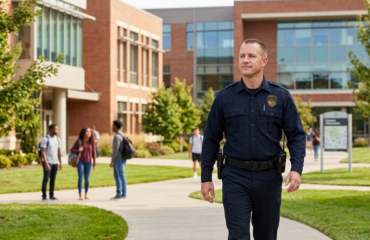
Larger residential properties often contain areas that one stationary officer cannot observe effectively. For that reason, mobile patrol services can add coverage across wider areas.
Patrol officers may check:
- Parking lots and garages
- Community streets
- Building perimeters
- Pool and clubhouse areas
- Mail and package areas
- Secondary gates
- Vacant units
- Construction or renovation areas
In addition, patrol officers can document unusual activity, property conditions, access issues, or recurring concerns. Structured patrol routes also make coverage easier to verify and manage.
Rather than relying on undocumented drive-through visits, property managers should establish patrol routes, checkpoints, reporting expectations, and escalation procedures in advance.
3. Parking and Vehicle Security
Parking lots and garages are often among the largest shared spaces within residential communities. As a result, property managers may need clear procedures for vehicles, guests, permits, garages, and after-hours parking activity.
A residential security plan may address:
- Unauthorized vehicles
- Guest parking
- Fire lanes
- Parking permits
- Garage access
- Suspicious activity around vehicles
- Lighting or maintenance concerns
Security officers should follow the property’s approved parking policies. They should not independently tow vehicles, issue penalties, or take actions outside their assigned authority.
Meanwhile, consistent reporting can help management identify repeat parking concerns. That information may support changes to signage, patrol schedules, lighting, access procedures, or other property policies.
4. Security for Pools, Clubhouses, and Other Amenities
Shared amenities often become busier during evenings, weekends, holidays, and warm-weather periods. Therefore, communities may need additional attention around pools, gyms, clubhouses, and gathering spaces.
Depending on the assignment, officers may check:
- Pool areas
- Clubhouses
- Fitness rooms
- Community rooms
- Playgrounds
- Parking areas near amenities
Officers may also verify access, document unauthorized activity, communicate property rules, and notify management when an issue requires follow-up.
Most importantly, security personnel should communicate professionally and avoid unnecessary escalation when interacting with residents and guests.
5. Video Monitoring Can Support Residential Security
Cameras can provide additional visibility across entrances, parking areas, mailrooms, gates, clubhouses, garages, and other shared spaces. However, recorded footage alone does not always provide active oversight.
Secure Guard’s video monitoring services can support camera observation, activity verification, communication, documentation, and client-approved escalation procedures.
Depending on the community’s existing systems, monitoring may support:
- Gate observation
- Parking-area visibility
- Package-room monitoring
- Amenity-area observation
- After-hours activity verification
- Communication with on-site officers or mobile patrols
For best results, technology should support clearly defined security procedures rather than operate as a standalone solution.
6. Incident Reporting Creates Accountability
Property managers and HOA boards need reliable information about what happens throughout the community. Consequently, reporting should be a core part of the security program.
Professional security reports may include:
- Daily activity reports
- Incident reports
- Parking observations
- Visitor or access issues
- Patrol records
- Photographs when appropriate
- Maintenance or lighting concerns
- Follow-up requirements
Secure Guard uses SecureTrack security reporting and patrol verification to support GPS-backed patrol checkpoints, incident reports, photographs, post orders, and other activity records depending on the client’s service configuration.
Over time, consistent documentation can reveal recurring concerns. Property managers can then adjust patrol routes, access procedures, staffing schedules, or other security measures when necessary.
7. Clear Procedures for Disturbances and After-Hours Incidents
Residential security officers may encounter noise complaints, unauthorized visitors, parking disputes, suspicious activity, property damage, or other incidents. Because these situations vary, officers need clear instructions before service begins.
Post orders should explain:
- Which situations the officer should handle
- When the officer should contact property management
- When law enforcement or emergency services should be called
- What information the officer must document
- Which community rules officers may enforce
Security officers do not replace police officers, firefighters, emergency medical personnel, or property-management decision makers. Instead, private security should support the community’s established procedures and contact public-safety agencies when appropriate.
The Stockton Police Department provides public-safety resources and community programs for local residents and property managers.
Apartment Security vs. HOA Security in Stockton
Apartment communities and HOA-managed neighborhoods often share similar concerns. However, their layouts and operating procedures may require different approaches.
Apartment Security in Stockton
Apartment communities may place greater emphasis on:
- Lobby and entrance coverage
- Visitor access
- Package areas
- Parking garages
- Amenity patrols
- After-hours building checks
For example, a larger apartment property may use a fixed officer during high-traffic periods and mobile patrols or monitoring during quieter hours.
HOA Security in Stockton
HOA communities may require broader geographic coverage across:
- Neighborhood streets
- Community entrances
- Clubhouses
- Pool areas
- Parking zones
- Common property
In many cases, marked vehicle patrols can provide better coverage for larger neighborhoods than one stationary security post.
Community Preparedness Should Extend Beyond Security Guards
Residential security represents only one part of community preparedness. Property managers and HOA boards should also maintain plans for fires, severe weather, utility interruptions, earthquakes, and other emergencies.
FEMA encourages communities and individuals to prepare for emergencies before they happen. Property managers can review FEMA’s community preparedness resources for additional planning guidance.
Where appropriate, security personnel can support emergency communication and site procedures. Still, emergency-management professionals and first responders remain responsible for specialized emergency services.
California Licensing Matters When Choosing Residential Security
California regulates security guards through the Bureau of Security and Investigative Services.
BSIS requirements include guard registration, criminal-history background checks, required training, and continuing education. Property managers can review the California BSIS Security Guard Registration requirements for current information.
When comparing residential security providers, ask about:
- Company licensing
- Guard registration
- Site-specific training
- Field supervision
- Post orders
- Patrol verification
- Incident reporting
- Replacement staffing
- Insurance coverage
Questions Stockton Property Managers and HOA Boards Should Ask
Before selecting a security company, ask:
- How will you assess our property before recommending coverage?
- What duties will officers perform?
- How are patrol routes established?
- How will visitor and vendor access be handled?
- What reports will management receive?
- How are officer call-offs handled?
- How are guards supervised?
- Can patrol completion be verified?
- Can officers work with our existing cameras and access-control system?
- How are serious incidents escalated?
A professional provider should explain how its security program will operate rather than simply quote an hourly rate.
Residential Security Within San Joaquin County
Stockton forms part of the larger San Joaquin County service area. Because communities throughout the county differ in size, layout, resident activity, and access patterns, each property may require a different security plan.
Secure Guard’s San Joaquin County security services support residential communities, commercial properties, warehouses, construction sites, industrial facilities, and other environments throughout the county.
This article focuses specifically on apartment and HOA security in Stockton, while the San Joaquin County page provides broader information about commercial security services in the region.
Build the Right Security Program for Your Stockton Community
Effective apartment security in Stockton should reflect the property’s actual operations rather than rely on a generic residential-security package.
Depending on the community, the right program may combine:
- On-site unarmed security officers
- Gate or lobby coverage
- Mobile patrols
- Parking-area checks
- Amenity patrols
- Video monitoring
- Visitor procedures
- SecureTrack reporting
Secure Guard Security Services develops apartment and HOA security programs around each property’s layout, operating hours, access points, resident activity, existing systems, and reporting requirements.
Learn more about our apartment security services and HOA security services.
Finally, if you want to review coverage for your community, call 888-908-7818 or request a security consultation with Secure Guard.