Warehouse security in California requires more than locks, alarms, and cameras. Warehouses and distribution centers often operate around the clock, handle valuable inventory, receive frequent truck traffic, and contain multiple access points, loading docks, parking areas, storage zones, and employee entrances.
These conditions can create security concerns involving cargo theft, unauthorized access, fictitious pickups, employee or vendor access, trailer theft, vandalism, vehicle break-ins, and after-hours activity.
In a 2026 warning to the transportation and logistics industry, the FBI highlighted growing cargo-theft schemes involving fraudulent carriers, account takeovers, phishing, fictitious pickups, and other deceptive tactics. The FBI also notes that cargo theft can occur at warehouses, freight-distribution facilities, storage locations, truck yards, and other points throughout the supply chain.
Businesses can review the FBI cargo theft guidance for current information.
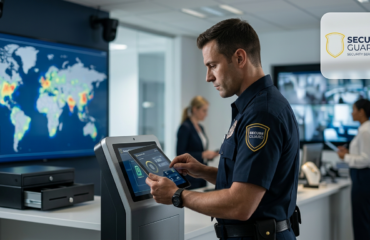
Secure Guard provides security programs for California warehouses, distribution centers, logistics facilities, and storage properties using professional officers, mobile patrols, video monitoring, access control, surveillance technology, and digital reporting.
Why Warehouse Security in California Requires a Layered Approach
No single security measure can address every warehouse risk.
A camera can provide visibility, but it cannot physically check a gate. A security officer can control an entrance, but one fixed post may not cover a large truck yard or property perimeter. Access-control systems can restrict entry, but they still depend on clear procedures and accurate credentials.
For that reason, effective warehouse security in California often combines several layers, such as:
- On-site security officers
- Gate and access control
- Truck and driver verification
- Mobile patrol services
- Video monitoring
- Perimeter security
- Lighting
- Incident reporting
- Patrol verification
- Clear escalation procedures
The right combination depends on the facility’s layout, operating hours, cargo value, delivery schedules, employee activity, previous incidents, and existing security systems.
1. Control Every Warehouse Entry Point
Access control should begin before a person or vehicle enters the property.
Warehouses may need separate procedures for:
- Employees
- Visitors
- Truck drivers
- Vendors
- Contractors
- Delivery vehicles
- Temporary workers
Depending on the facility, security officers may support badge checks, visitor logs, gatehouse procedures, delivery verification, vehicle records, and restricted-area access.
U.S. Customs and Border Protection’s CTPAT supply-chain security criteria emphasize controlled gates, positive driver identification, accurate shipping information, and procedures designed to prevent unauthorized people from accessing cargo-handling areas.
Companies involved in international supply chains can review the U.S. Customs and Border Protection CTPAT program for additional supply-chain security guidance.
2. Verify Drivers, Trucks, and Pickup Information
Cargo theft does not always involve someone cutting a fence or breaking into a trailer.
The FBI and California Highway Patrol both identify strategic cargo theft methods involving fake companies, fraudulent drivers, counterfeit paperwork, and fictitious pickups.
Therefore, warehouse procedures should include clear verification steps before cargo is released.
Depending on operations, these procedures may include:
- Confirming driver identity
- Recording truck and trailer information
- Verifying pickup numbers
- Confirming shipping paperwork
- Comparing scheduled loads with arriving vehicles
- Escalating discrepancies before cargo leaves the facility
California businesses can review the California Highway Patrol Cargo Theft Interdiction Program for examples of common cargo-theft methods.
3. Use Security Officers at High-Activity Posts
Some warehouse locations need a consistent security presence at specific posts.
Professional security officers may support:
- Main gates
- Employee entrances
- Shipping and receiving areas
- Visitor entrances
- Truck yards
- Restricted storage zones
Officers may also perform patrols, document incidents, verify access, check property conditions, and communicate with management according to site-specific post orders.
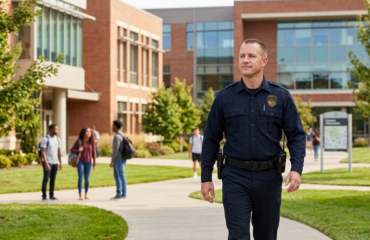
Secure Guard provides armed and unarmed security officers for warehouse and logistics properties based on the facility’s risk level and operating environment.
California security guards are regulated by the Bureau of Security and Investigative Services. Property managers can review current registration and training requirements through the California BSIS Security Guard Registration guidance.
4. Use Mobile Patrols to Cover Large Warehouse Properties
Many warehouses have large parking areas, truck yards, perimeter roads, outdoor storage areas, secondary gates, and multiple buildings.
One stationary officer may not provide enough visibility across the entire property.
Mobile patrol services can provide scheduled or randomized checks throughout larger facilities.
Patrol duties may include:
- Checking perimeter gates
- Inspecting parking areas
- Observing truck and trailer yards
- Checking loading docks
- Inspecting doors and locks
- Monitoring outdoor storage areas
- Documenting unusual activity
- Checking lighting or property damage
Patrol routes should be documented and verified rather than based on informal drive-through visits.
5. Strengthen Perimeter Security
The warehouse perimeter is often the first physical security layer.
Common perimeter measures may include:
- Fencing
- Controlled gates
- Lighting
- Security cameras
- Restricted parking
- Vehicle barriers
- Patrol routes
CBP supply-chain guidance recommends that cargo-handling and storage facilities use physical barriers and controlled gates to help prevent unauthorized access.
Property managers should also routinely inspect fencing, gates, doors, locks, and lighting for damage.
A security program is less effective when a broken fence, unlocked gate, or poorly lit access point remains unresolved for weeks.
6. Use Video Monitoring to Support On-Site Security
Security cameras can provide visibility across loading docks, entrances, truck yards, storage areas, parking lots, and other high-priority areas.
However, cameras that only record footage may not provide active oversight while an incident is occurring.
Secure Guard’s video monitoring services can support live observation, activity verification, communication, incident documentation, and client-approved escalation procedures.
Video monitoring may be useful for:
- Loading docks
- Truck gates
- Parking areas
- Warehouse perimeters
- Outdoor storage
- After-hours operations
For larger outdoor locations, cameras should be positioned around actual risk areas rather than simply installed wherever installation is easiest.
7. Consider Mobile Surveillance Towers for Outdoor Areas
Some warehouses, logistics yards, and temporary storage properties need additional camera coverage in outdoor areas.
Secure Guard’s mobile surveillance towers can provide flexible monitoring coverage around:
- Truck yards
- Trailer parking
- Outdoor inventory
- Equipment areas
- Construction zones
- Temporary storage areas
Surveillance towers can supplement permanent cameras, on-site officers, or mobile patrols.
The correct placement should be based on the property’s layout, blind spots, lighting, traffic patterns, and areas where theft or unauthorized access is most likely to occur.
8. Improve Shipping and Receiving Procedures
Shipping and receiving areas are among the busiest parts of many warehouse facilities.
High activity can make it easier for mistakes, unauthorized pickups, or suspicious activity to go unnoticed.
Warehouse managers should establish written procedures for:
- Driver verification
- Delivery appointments
- Pickup authorization
- Trailer identification
- Seal inspection
- Load discrepancies
- Visitor access
- After-hours deliveries
CBP’s supply-chain security guidance recommends verifying drivers and comparing departing cargo against shipping or delivery documentation.
If information does not match, staff should resolve the discrepancy before releasing the cargo.
9. Do Not Ignore Insider Risk
Warehouse security should address both external and internal risks.
Employees, contractors, vendors, temporary workers, and drivers may have legitimate access to parts of a facility. That access can make consistent procedures especially important.
Controls may include:
- Role-based access
- Restricted storage areas
- Visitor escort policies
- Key and badge management
- Access-log reviews
- Supervisor reporting
- Clear procedures for terminated employees
Security teams should avoid assuming that every loss is caused by an outside intruder.
Instead, managers should build procedures that create accountability for everyone who accesses sensitive warehouse areas.
10. Use Digital Reporting and Patrol Verification
Warehouse managers need more than confirmation that a guard was scheduled for a shift.
They need clear records of what happened.
Security documentation may include:
- Daily activity reports
- Patrol checkpoints
- Gate activity
- Incident reports
- Photos
- Vehicle information
- Access issues
- Property-condition concerns
Secure Guard uses SecureTrack security reporting and patrol verification to support GPS-backed checkpoints, incident reports, photos, post orders, and other digital activity records depending on the client’s service configuration.
These reports can help managers identify recurring issues and decide whether patrol routes, staffing schedules, access procedures, or other security measures need adjustment.
Cargo Theft Is Not Always a Simple Break-In
Modern cargo theft can involve both physical and deceptive methods.
The FBI identifies several forms of cargo theft, including:
- Straight cargo theft
- Strategic cargo theft
- Fictitious pickups
- Fraudulent carriers
- Account takeovers
- Cyber-enabled cargo theft
- Pilferage
In a June 2026 warning, the FBI highlighted increasing use of phishing, spoofed websites, compromised business accounts, and fraudulent load postings to redirect shipments.
For that reason, warehouse security should not focus only on fences and cameras. Shipping teams should also verify carriers, drivers, paperwork, and pickup authorization.
Review the FBI cargo theft resource for current prevention guidance.
Warehouse Security Should Work With Logistics Procedures
A warehouse security program should support operations rather than create unnecessary delays.
That means security personnel need clear instructions covering:
- Truck arrival procedures
- Driver check-in
- Vendor access
- Employee entrances
- Restricted zones
- Loading schedules
- After-hours deliveries
- Emergency contacts
Secure Guard also provides security programs for transportation and logistics facilities where truck activity, cargo movement, gates, and distribution operations require coordinated security procedures.
Warehouse Security for Storage and Distribution Facilities
Different warehouse properties may require different coverage.
For example:
Distribution Centers
Distribution centers may require gate security, truck verification, loading-dock observation, employee access control, mobile patrols, and after-hours monitoring.
Industrial Warehouses
Industrial facilities may need employee and contractor verification, restricted-area control, equipment protection, perimeter patrols, and incident reporting.
Cold Storage and Food Facilities
These properties may need tighter access procedures, delivery verification, restricted storage zones, and clear documentation because operational disruptions can affect time-sensitive inventory.
Outdoor Storage and Trailer Yards
Large outdoor properties may benefit from mobile patrols, surveillance towers, perimeter cameras, lighting, gate procedures, and trailer checks.
Secure Guard’s storage facility security services can support properties that require access control, patrols, monitoring, and reporting.
Questions Warehouse Managers Should Ask a Security Company
Before selecting a provider, ask:
- How will you assess our warehouse before recommending coverage?
- How will truck and driver access be handled?
- What duties will gate officers perform?
- How are patrol routes established?
- How will loading docks and yards be checked?
- Can officers work with our existing cameras?
- How are incidents reported?
- Can patrol activity be verified?
- How are officer call-offs handled?
- How are after-hours incidents escalated?
A professional provider should be able to explain how the security program will operate rather than simply provide an hourly rate.
California Licensing Matters
California security guards are regulated by the Bureau of Security and Investigative Services.
Property managers should verify that assigned officers meet applicable California registration and training requirements.
Current information is available through the California BSIS Security Guard Registration Fact Sheet.
Companies should also confirm that their security provider maintains appropriate licensing, insurance, supervision, and reporting procedures.
Build a Warehouse Security Program Around Your Actual Risks
Effective warehouse security in California should begin with the property, not with a predetermined security package.
The assessment should review:
- Property layout
- Operating hours
- Truck and trailer activity
- Employee entrances
- Loading docks
- Outdoor storage
- Previous incidents
- Lighting
- Existing cameras
- Access-control systems
- High-value inventory
From there, the security program may combine on-site officers, mobile patrols, video monitoring, surveillance towers, access control, and digital reporting.
Secure Guard Security Services provides professional security programs for warehouses, logistics facilities, storage properties, industrial sites, and distribution centers throughout California.
Explore our warehouse and storage facility security services and transportation and logistics security services.
To discuss warehouse security for your property, call 888-908-7818 or request a security consultation with Secure Guard.