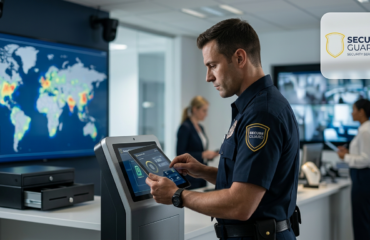
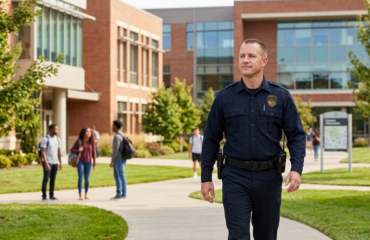
Gated community security in San Bernardino should support the way residents, visitors, vendors, delivery drivers, and property-management teams actually use the community. A gate can help control access, but a complete security program may also require clear visitor procedures, patrols, parking-area checks, reporting, supervision, and technology.
Every residential property is different. A small gated community with one entrance may need a different plan from a large HOA with several vehicle gates, a clubhouse, pool areas, parking facilities, and multiple residential streets.
For that reason, HOA boards and property managers should build security procedures around the community itself rather than use a generic residential-security checklist.
This guide explains the main areas to review when planning security for a gated or managed residential community in San Bernardino.
1. Start With a Community Security Assessment
Before deciding how many guards or patrol visits are needed, review the entire property.
Walk through the community and identify locations where access, visibility, or reporting may need improvement.
A residential security assessment may review:
- Vehicle entrances and exits
- Pedestrian gates
- Guardhouse locations
- Resident parking
- Guest parking
- Clubhouses
- Pool and recreation areas
- Mail and package areas
- Exterior lighting
- Perimeter fencing
- Camera coverage
- Common walkways
In addition, review recent incidents and recurring resident concerns. These records can help management identify areas that deserve more attention.
Secure Guard currently provides security services throughout San Bernardino County for apartment communities, commercial properties, warehouses, construction sites, retail centers, industrial facilities, and other properties. Review Secure Guard’s San Bernardino County security services for local coverage information.
2. Create Clear Gatehouse and Entrance Procedures
Gated communities need a consistent process for residents, guests, vendors, contractors, and delivery personnel.
Security officers should not have to guess who can enter or what information must be verified.
Gate Procedures May Include
- Resident access
- Approved guest lists
- Visitor verification
- Vendor check-in
- Contractor access
- Delivery procedures
- Temporary credentials
- After-hours access
The HOA or property-management team should approve these rules before security coverage begins.
For example, if a visitor is not on an approved list, the officer should know whether to contact the resident, property manager, or another authorized person.
Consistent procedures also help residents understand what to expect when guests arrive.
3. Use Residential Patrols Strategically
A security officer stationed at a gate cannot observe every part of a residential community at the same time.
Patrols can provide additional visibility across designated areas.
Depending on the community, patrol officers may inspect:
- Community streets
- Parking areas
- Pedestrian gates
- Vehicle gates
- Clubhouses
- Pool areas
- Playgrounds
- Mail and package areas
- Perimeter fencing
- Other common spaces
The patrol plan should identify which locations require checks and how often those checks should occur.
Secure Guard’s mobile patrol services can include scheduled or randomized inspections, customized routes, checkpoint documentation, and reporting when those features are part of the service plan.
4. Review Parking Areas and Vehicle Activity
Parking areas often remain active after the management office closes.
Residents may return late at night, guests may use temporary parking, and vendors or delivery vehicles may enter at different hours.
Residential security personnel may be assigned to observe designated parking areas and report conditions such as:
- Unauthorized vehicles
- Blocked access points
- Damaged gates
- Lighting problems
- Vehicles in restricted areas
- Other unusual conditions
Security officers should follow the HOA’s approved parking procedures. They should not create or enforce rules that have not been authorized by property management.
Management should also make sure residents know where to report parking-related security concerns.
5. Establish Visitor, Vendor, and Contractor Rules
Residential communities may receive many different types of visitors throughout the day.
These can include:
- Family members
- Guests
- Delivery drivers
- Landscapers
- Maintenance contractors
- Moving companies
- Utility workers
- Home-service providers
A written process helps officers understand how each type of access should be handled.
Vendor Procedures May Address
- Approved access hours
- Identification requirements
- Resident or management authorization
- Temporary passes
- Approved work areas
- After-hours restrictions
- Check-in and check-out requirements
For example, a contractor working in the clubhouse may require different access than a delivery driver visiting one residence.
The procedure should match the reason for the visit.
6. Give Security Officers Clear Post Orders
Post orders explain what security personnel are expected to do at the property.
For a gated community, post orders may include:
- Gatehouse responsibilities
- Visitor procedures
- Resident-access procedures
- Patrol routes
- Parking-area checks
- Common-area inspections
- Emergency contacts
- Incident-reporting requirements
- Management notification procedures
- Escalation instructions
Post orders should be specific to the community.
A residential security officer should not be working from generic instructions designed for a warehouse, office building, or unrelated property.
Management should also update the post orders when gates, parking rules, amenities, operating hours, or community procedures change.
7. Use Security Reporting to Improve Accountability
HOA boards and property managers need useful information about security activity.
Depending on the assignment, reporting may include:
- Daily activity reports
- Incident reports
- Patrol records
- Checkpoint scans
- Photographs
- Access concerns
- Parking concerns
- Management notifications
- Follow-up notes
A report should explain what the officer observed, where it happened, what action was taken, and who received the notification.
For example, if an officer finds a pedestrian gate that does not latch correctly, the report should identify the specific gate and document the management notification.
Secure Guard uses SecureTrack to support digital incident reports, patrol checkpoints, GPS tracking, scheduling, and other operational records when those features are included in the assignment. :chatgpt-content-reference{index=”1″}
8. Use Cameras to Support the Security Plan
Video surveillance can provide visibility over entrances, parking areas, common spaces, and other approved locations.
However, camera placement should follow a defined purpose.
Property managers should periodically review:
- Entrance camera views
- Parking-area coverage
- Gate visibility
- Common-area coverage
- Lighting conditions
- Image quality
- Blocked or outdated camera views
A recording system and professional monitoring are different services.
Recorded video stores footage for later review. Active monitoring assigns personnel to review designated cameras or alerts during agreed coverage hours.
Communities that need active camera oversight may consider professional video monitoring as part of a broader residential security program.
9. Match On-Site Guards and Mobile Patrols to the Community
Not every residential property needs the same staffing model.
On-Site Security Officers
An on-site officer provides a continuous presence during the contracted shift.
This can be useful for communities that need:
- Gatehouse staffing
- Visitor management
- Continuous access control
- Resident assistance
- Regular foot patrols
Secure Guard provides armed and unarmed security officers based on the responsibilities and needs of each property.
Mobile Patrol Officers
Mobile patrols provide periodic inspections rather than continuous staffing at one post.
They may be useful for:
- After-hours inspections
- Parking-area checks
- Perimeter patrols
- Gate checks
- Common-area inspections
Some communities may use both approaches.
For example, an on-site officer may manage the main entrance while mobile patrol personnel inspect parking areas and other community locations.
10. Review Exterior Lighting and Property Conditions
Physical conditions can affect security operations.
During regular property inspections, look for:
- Burned-out lights
- Damaged fencing
- Gates that do not close correctly
- Blocked camera views
- Overgrown landscaping near entrances
- Damaged locks
- Obstructed walkways
Security officers may notice these conditions during patrols and report them to management.
Maintenance personnel can then determine the appropriate repair.
Security personnel should report maintenance issues rather than perform work outside their assigned responsibilities.
11. Establish Resident Communication Procedures
Residents should know how to report non-emergency security concerns.
The community may provide instructions for reporting:
- Gate problems
- Parking concerns
- Damaged lighting
- Unusual activity
- Access problems
- Common-area concerns
Residents should also understand when to contact emergency services directly.
Most importantly, residents should not be encouraged to confront individuals or investigate potentially dangerous situations themselves.
Clear communication helps security officers and property managers receive more useful information.
12. Review Security Procedures as the Community Changes
Residential properties change over time.
A community may add a gate, renovate the clubhouse, change parking rules, install cameras, begin construction, or experience different visitor patterns.
When those changes occur, the security plan should be reviewed.
A periodic review may examine:
- Post orders
- Patrol routes
- Gate procedures
- Visitor rules
- Incident patterns
- Reporting quality
- Camera coverage
- Resident feedback
This helps keep security procedures aligned with current community operations.
Security for Apartments, HOAs, and Gated Communities
Residential properties share some security needs, but their management structures can differ.
Gated Communities and HOAs
These communities may focus on vehicle gates, visitors, community patrols, parking rules, and shared amenities.
Apartment Communities
Apartments may place additional emphasis on building entrances, parking facilities, package areas, common spaces, and property-management coordination.
Secure Guard’s apartment security services include residential-focused guard and patrol options for managed communities. :chatgpt-content-reference{index=”2″}
For broader planning guidance, read our article on HOA security tips and best practices.
Frequently Asked Questions About Gated Community Security in San Bernardino
What Do Gated Community Security Guards Do?
Security guards can support gate access, visitor procedures, patrols, parking-area observation, incident reporting, common-area checks, and other responsibilities defined in the property’s post orders.
Can Security Guards Work Overnight?
Yes. Residential security can include evening, overnight, weekend, or continuous coverage depending on the community’s needs and staffing plan.
Can Security Guards Manage a Residential Gate?
Yes. Officers can support approved gate procedures when those responsibilities are part of the assignment.
Are Mobile Patrols Suitable for Gated Communities?
Yes. Mobile patrols can provide scheduled or randomized property inspections. However, patrol visits do not provide the same continuous presence as an officer stationed at the property.
Can Security Guards Work With Existing Cameras?
Yes. Security personnel can work alongside surveillance and access-control systems when the security plan clearly defines their responsibilities.
Does Every Gated Community Need Armed Security?
No. The appropriate officer type depends on the property, assigned duties, risk assessment, client policies, resident interaction, and applicable requirements.
How Are Residential Patrols Documented?
Depending on the service configuration, patrols can be documented through digital activity reports, GPS information, electronic checkpoints, photographs, timestamps, and incident reports.
Build Residential Security Around Your San Bernardino Community
Effective residential security starts with the community itself.
Review entrances, parking areas, visitors, vendors, common spaces, patrol requirements, cameras, lighting, and resident concerns.
Then define what security personnel should do and how management will review the service.
Secure Guard Security Services provides security services throughout San Bernardino County, including coverage for apartment communities and HOAs, on-site officers, mobile patrols, access control, video monitoring, and digital reporting. :chatgpt-content-reference{index=”3″}
Explore security services in San Bernardino County or contact Secure Guard Security Services to discuss your community, entrances, patrol needs, and coverage schedule.