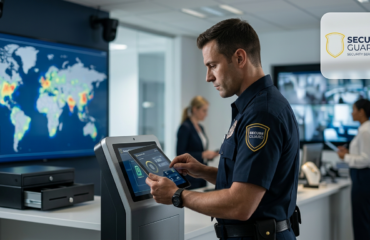
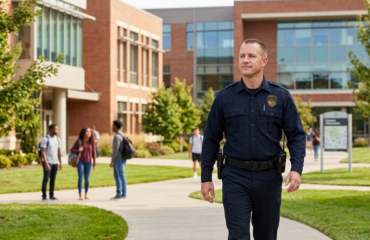
A security officer can be present at a property without delivering effective security. For that reason, property managers should evaluate more than whether a post is filled.
Instead, security guard service quality should be measured by how well officers understand the property, follow procedures, complete patrols, document activity, communicate concerns, and receive support from supervisors and operations personnel.
For example, two officers may wear the same uniform and work the same schedule. However, the officer who understands the post orders, notices unusual conditions, completes required patrols, and submits accurate reports provides a very different level of service.
Therefore, evaluating security guard service quality requires looking at the entire operation behind the officer.
What Does Quality Security Service Actually Mean?
Quality security is not based on one officer characteristic. Instead, it comes from several parts of the security program working together.
A well-managed security operation may include:
- Appropriate officer selection
- Current licensing and training
- Site-specific orientation
- Clear post orders
- Defined patrol routes
- Accurate reporting
- 24/7 operational support
- Field supervision
- Replacement staffing procedures
- Patrol verification
- Incident escalation procedures
- Client communication
Most importantly, the security provider should be able to explain how these parts work together at your property.
1. The Right Officer Should Be Matched to the Property
Not every security officer is the right fit for every assignment. Therefore, officer selection should consider the actual environment and responsibilities of the post.
For example, an office lobby may require strong visitor-management and customer-service skills. A warehouse gate, on the other hand, may require experience with truck traffic, drivers, deliveries, and access logs.
Property managers should ask whether the provider considers:
- Property type
- Public interaction
- Communication skills
- Access-control responsibilities
- Patrol requirements
- Operating hours
- Armed or unarmed requirements
- Previous relevant experience
As a result, the assignment is built around the site instead of simply filling the schedule with whichever officer is available.
2. Licensing and Required Training Should Be Verified
Professional service starts with basic regulatory requirements. In California, registered security guards are regulated by the Bureau of Security and Investigative Services.
Current requirements include:
- Being at least 18 years old
- Completing the required Power to Arrest training
- Completing DOJ and FBI criminal-history background checks
- Completing 32 hours of security-officer skills training within the first six months of registration
- Completing eight hours of continuing training each year
Current requirements are available through the California BSIS Security Guard Registration Fact Sheet.
However, meeting state requirements is only the starting point. Officers still need to understand the property, post duties, client procedures, and security expectations for their specific assignment.
3. Officers Should Receive Site-Specific Preparation
A licensed officer may still be unfamiliar with your property. Therefore, site orientation is an important part of deployment.
Depending on the assignment, preparation may cover:
- Property layout
- Main entrances
- Restricted areas
- Patrol routes
- Visitor procedures
- Vendor procedures
- Parking responsibilities
- Emergency contacts
- Reporting requirements
- Escalation procedures
For instance, an officer should know which gate stays open during business hours and which doors must remain secured after closing.
Likewise, officers should know which situations require management notification and which require immediate escalation.
4. Post Orders Should Be Clear and Current
Strong security programs use written post orders rather than relying on verbal instructions alone.
Post orders may define:
- Officer responsibilities
- Access-control procedures
- Patrol routes
- Patrol frequency
- Restricted areas
- Visitor procedures
- Opening and closing duties
- Emergency contacts
- Incident-reporting standards
- Client notification procedures
Without clear instructions, different officers may handle the same situation differently.
Therefore, post orders should also be updated when entrances, schedules, tenants, construction activity, or other property conditions change.
5. Officers Should Be Alert and Professionally Engaged
Quality security requires attention to the assignment. For example, an officer may need to notice an open door, damaged gate, unusual vehicle, lighting failure, or unauthorized person.
Professional conduct may include:
- Remaining attentive while on duty
- Following uniform standards
- Using personal phones only as permitted
- Communicating professionally
- Remaining at the assigned post
- Completing patrols as required
- Reporting unusual conditions
At the same time, professionalism does not require officers to appear aggressive or intimidating.
Instead, they should remain alert, approachable, and consistent with the environment they protect.
6. Access Control Should Be Consistent
Many security assignments involve controlling access. Therefore, officers should apply approved procedures consistently.
Depending on the property, duties may include:
- Verifying employee credentials
- Confirming visitors
- Reviewing approved access lists
- Maintaining visitor logs
- Verifying contractors
- Monitoring vehicle gates
- Directing deliveries
- Protecting restricted areas
However, security officers should not invent access policies during a shift.
Instead, property management should establish the rules, while officers follow and document those procedures.
7. Patrols Should Have a Defined Purpose
A quality patrol is more than walking or driving around the property.
First, officers should know which areas need to be checked. Next, the post orders should explain what conditions they are expected to observe.
Patrol routes may include:
- Parking areas
- Building entrances
- Loading docks
- Exterior doors
- Storage areas
- Equipment yards
- Property perimeters
- Restricted locations
For example, a patrol officer may be required to verify that a loading-dock door is secured after operations end.
As a result, patrol activity serves a defined security purpose rather than simply creating movement around the property.
8. Required Patrols Should Be Verifiable
Clients should not have to assume that required patrols were completed.
Therefore, patrol programs should include a method for documenting activity.
Secure Guard uses SecureTrack to support security reporting and patrol accountability.
Depending on the service configuration, SecureTrack can support:
- GPS-supported patrol activity
- Security checkpoints
- Patrol timestamps
- Officer attendance
- Daily Activity Reports
- Incident reports
- Photos
- Post-order access
- Supervisor visibility
As a result, authorized clients and supervisors can gain better visibility into field activity.
9. Daily Reporting Should Provide Useful Information
Security reports should tell the client what happened during the shift.
Depending on the assignment, Daily Activity Reports may include:
- Patrol activity
- Visitor activity
- Vehicle activity
- Deliveries
- Access-control activity
- Property-condition observations
- Client requests
- Unusual activity
- Items requiring follow-up
However, a long report is not automatically a good report.
Instead, reporting should be clear, factual, relevant, and easy for management to review.
10. Incident Reports Should Be Accurate and Timely
Important incidents require more detailed documentation.
Depending on the event, an incident report may include:
- Date and time
- Exact location
- People involved
- What the officer observed
- Actions taken
- People notified
- Supervisor involvement
- Emergency-service involvement
- Property damage
- Photos when appropriate
- Follow-up requirements
Most importantly, officers should separate direct observations from assumptions.
In addition, significant incidents should reach the appropriate client contacts without waiting until the end of the shift.
11. Officers Should Have a Clear Escalation Process
One officer should not be expected to manage every situation alone.
Therefore, post orders should explain what happens when an incident requires more support.
The escalation process may involve:
- Dispatch
- Field supervisors
- Client contacts
- Additional officers
- Mobile patrol
- Law enforcement
- Fire personnel
- Emergency medical services
For example, an officer who discovers a damaged gate may notify dispatch and the designated property contact.
On the other hand, an immediate threat may require emergency services according to established procedures.
12. 24/7 Operational Support Matters
Many officers work when normal property-management staff are unavailable.
Because of this, quality security includes a dependable communication structure after hours.
Secure Guard field personnel are supported through a 24/7 Dispatch and Operations Center.
Depending on the situation, dispatch can help:
- Receive officer updates
- Contact field supervisors
- Notify approved client contacts
- Coordinate additional personnel
- Support incident escalation
- Document important communications
In this way, officers remain connected to the larger security operation instead of working without support.
13. Field Supervision Should Be Active
Quality security requires management after deployment. Therefore, field supervision should continue throughout the client relationship.
Supervisor reviews may address:
- Officer attendance
- Uniform and appearance
- Post-order compliance
- Patrol completion
- Reporting quality
- Professional conduct
- Training needs
- Client concerns
In addition, supervisor visits allow the provider to identify issues that may not appear in daily reports.
As a result, performance concerns can be addressed before they become repeated problems.
14. Replacement Staffing Should Be Planned Before It Is Needed
Even reliable officers can become ill or unavailable.
Therefore, clients should ask what happens when a scheduled officer calls off.
A replacement process should address:
- Who receives the call-off
- Who begins finding coverage
- How the replacement officer receives post instructions
- Who informs the client
- Whether a supervisor can provide temporary support
- How uncovered posts are escalated
For properties that require continuous coverage, backup staffing can be just as important as the regularly assigned officer.
15. Technology Should Support Officers, Not Replace Management
Technology can improve visibility and documentation. However, software alone does not create a well-managed security program.
Useful technology may support:
- Patrol verification
- Incident reporting
- GPS-supported activity
- Scheduling
- Timekeeping
- Post orders
- Real-time alerts
- Client reporting
Meanwhile, supervisors and operations personnel remain responsible for reviewing performance and addressing problems.
Therefore, technology should provide information that helps people manage the security operation more effectively.
16. Client Communication Should Continue After Deployment
Security needs can change over time.
For example, a property may add a new entrance, change operating hours, begin construction, experience a new incident pattern, or add tenants.
Because of this, the provider should maintain communication with the client after the initial deployment.
Useful discussions may include:
- Recurring incidents
- Patrol changes
- Officer performance
- Post-order updates
- Schedule changes
- Reporting needs
- New security concerns
As a result, security can adapt instead of remaining fixed while the property changes.
The Three Parts of a Strong Security Program
A simple way to evaluate security quality is to look at three areas.
The Right Officer
The officer should match the site’s industry, responsibilities, public interaction, operating environment, and risk level.
For example, a customer-facing lobby may need an approachable officer with strong communication skills. A logistics gate may require someone comfortable with trucks, drivers, and delivery procedures.
The Right Preparation
Even a strong officer needs clear instructions.
Therefore, site orientation, current post orders, patrol routes, access procedures, contacts, and reporting expectations should be established before independent deployment.
The Right Oversight
Security quality also depends on what happens after the officer begins working.
For that reason, SecureTrack reporting, field supervision, dispatch support, patrol verification, and client communication are important parts of a managed security operation.
Warning Signs of a Poorly Managed Security Program
Property managers should pay attention to recurring service problems.
Possible warning signs include:
- Frequent uncovered posts
- Repeated late arrivals
- Officers unfamiliar with post orders
- Missing patrols
- Incomplete reports
- Excessive personal-phone use
- Unprofessional appearance
- Poor communication
- No supervisor follow-up
- Repeated client concerns with no corrective action
- No clear replacement-staffing process
- No way to verify patrol activity
However, one isolated mistake does not always mean the entire security program is failing.
Instead, clients should look for repeated patterns and whether management responds when problems are identified.
Questions to Ask Your Security Company
Before signing or renewing a contract, ask how the provider manages service quality.
- How do you select officers for my property?
- How do you verify licenses?
- How are officers trained on my site?
- Will you create written post orders?
- How are patrols verified?
- What reports will I receive?
- How quickly are serious incidents communicated?
- Is dispatch available 24/7?
- How often do supervisors visit?
- How are client complaints handled?
- What happens when an officer calls off?
- Can I review patrol and incident information?
- How are post orders updated?
Most importantly, the company should be able to explain what happens after the officer is deployed.
How Secure Guard Manages Security Service Quality
Secure Guard Security Services builds security programs around the property rather than simply filling guard hours.
Our operating approach centers on three priorities:
- The right officer: Match personnel to the site’s responsibilities and operating environment.
- The right preparation: Establish site-specific orientation, post orders, patrol expectations, contacts, and reporting requirements.
- The right oversight: Support field personnel with SecureTrack, active supervision, 24/7 dispatch, reporting, and client communication.
In addition, SecureTrack can support patrol checkpoints, GPS-related activity records, incident reports, scheduling, post orders, timekeeping, and supervisor visibility depending on the service configuration.
Meanwhile, field supervisors and operations personnel remain responsible for reviewing performance, addressing concerns, and supporting officers.
Learn more about SecureTrack security reporting and accountability or Secure Guard Armed & Unarmed Security Officers.
Request a security assessment to discuss your property’s staffing, supervision, patrol, reporting, and operational requirements.
Frequently Asked Questions About Security Guard Service Quality
How do you measure security guard service quality?
Service quality can be evaluated through officer attendance, post-order compliance, patrol completion, report quality, professional conduct, incident communication, supervision, and client responsiveness.
Is having a security guard on-site enough?
No. Instead, effective service also requires appropriate officer selection, site-specific procedures, reporting, supervision, operational support, and accountability.
Why are post orders important?
Post orders explain what officers should do at the property. Therefore, they help create consistent expectations around access, patrols, reporting, emergency contacts, and escalation.
How can clients verify guard patrols?
Depending on the service configuration, SecureTrack can support GPS-related patrol records, checkpoints, timestamps, reports, and supporting documentation.
Why does security supervision matter?
Supervisors can review officer performance, patrol completion, reporting, appearance, post-order compliance, and client concerns. As a result, service problems can be identified and corrected more quickly.
What happens when a security officer calls off?
A professionally managed security company should have a replacement-staffing and escalation process. Therefore, clients should ask how backup coverage is handled before service begins.
Does technology replace security supervisors?
No. Technology can provide reporting and activity information. However, supervisors and operations personnel still need to review performance, address problems, and manage the assignment.
What makes Secure Guard different from a basic guard staffing company?
Secure Guard combines officers with site-specific preparation, SecureTrack reporting, field supervision, 24/7 dispatch support, and client communication to provide a managed security operation.