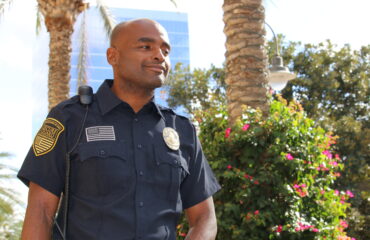
Community events bring people together for festivals, fairs, school functions, cultural gatherings, fundraisers, neighborhood celebrations, and other public activities. But the more people, vehicles, vendors, and access points an event has, the more important proper community event security becomes.
A well-planned security presence can help event organizers manage entrances, monitor crowds, protect restricted areas, supervise parking locations, and respond quickly when problems occur. Professional security officers should work alongside event staff and follow clearly defined procedures based on the venue, attendance, schedule, and potential risks.
The Cybersecurity and Infrastructure Security Agency also provides a Mass Gathering Security Planning Tool to help organizers consider venue characteristics, crowd management, physical security, entry controls, emergency planning, and other factors before large gatherings.
Why Community Event Security Matters
Community events can involve hundreds or thousands of guests moving through entrances, parking areas, vendor spaces, stages, activity zones, and temporary facilities. Without a clear security plan, organizers may have difficulty managing unauthorized access, crowd congestion, disputes, parking issues, lost guests, restricted areas, or emergencies.
Professional event security services can provide an organized security presence while allowing event organizers to focus on operations and the guest experience.
6 Ways Security Guards Help Keep Community Events Safe
1. Manage Entrances and Access Points
Entrances are one of the most important areas to manage during an event. Depending on the event’s policies, security officers can assist with ticket verification, credentials, guest lists, wristbands, vendor access, and restricted areas.
Clearly managed entrances help reduce unauthorized access and allow organizers to maintain better control over who enters specific areas of the venue.
2. Support Crowd Flow and Emergency Routes
Large crowds can create congestion around entrances, stages, food areas, restrooms, and other high-traffic locations. Security officers can help direct attendees, maintain organized lines, observe crowd conditions, and keep designated emergency routes accessible.
For events with larger attendance, dedicated event security officers can be positioned at priority locations based on the venue layout and expected crowd movement.
3. Monitor Parking Areas and Event Perimeters
Event security should extend beyond the main gathering area. Parking lots, vehicle entrances, loading areas, pedestrian routes, and event perimeters can also require active monitoring.
Security officers can patrol these areas, observe suspicious activity, help direct attendees, and communicate problems to event management. Events with significant vehicle traffic may also benefit from dedicated traffic control services to support arrivals, departures, and parking operations.
4. Assist With Attendee Screening
Some events require screening procedures before guests enter. Depending on the venue’s policies and applicable requirements, trained personnel may assist with credential checks, bag screening, prohibited-item procedures, or controlled entry points.
Screening procedures should always be established before the event so officers, organizers, staff, and guests understand the process.
5. Respond to Incidents and Communicate With Event Staff
Disagreements, medical situations, unauthorized access, suspicious behavior, lost children, property issues, and other incidents can occur even at well-organized events.
Security officers provide an identifiable point of contact who can observe the situation, follow established procedures, communicate with event management, document incidents, and contact law enforcement or emergency services when appropriate.
6. Protect Restricted and High-Priority Areas
Not every part of an event should be accessible to every attendee. Backstage spaces, equipment areas, staff entrances, vendor locations, production areas, VIP sections, and temporary storage areas may require additional access control.
Positioning officers at these locations can help organizers maintain controlled access while allowing authorized employees, vendors, performers, and contractors to move efficiently.
What Should Event Organizers Plan Before the Event?
Effective community event security begins before guests arrive. Organizers should review the entire event operation and determine where security personnel will provide the most value.
- Expected attendance and event duration
- Venue size and physical layout
- Number of entrances and exits
- Guest and vendor access procedures
- Parking areas and vehicle traffic
- Restricted or high-priority areas
- Emergency entrances and evacuation routes
- Alcohol service or other event-specific considerations
- Communication procedures between security and event staff
- Incident reporting and escalation procedures
A site-specific plan allows security personnel to understand their responsibilities before the event begins instead of reacting without clear direction once attendees arrive.
Professional Security for Community Events
Every event has different security requirements. A neighborhood festival may need only a few strategically positioned officers, while a large public event may require multiple entrances, parking coverage, crowd management, restricted-area security, supervisors, and coordinated communication.
Secure Guard Security Services can review your venue, expected attendance, operating schedule, access points, parking areas, and security concerns to develop an event-specific coverage plan.
Request a security assessment to discuss security coverage for your upcoming community event.
Frequently Asked Questions About Community Event Security
What do security guards do at community events?
Security guards may assist with access control, crowd observation, parking patrols, restricted areas, guest assistance, incident response, and communication with event organizers. Specific responsibilities should be established in advance through site-specific instructions.
How many security guards does an event need?
There is no single staffing number that applies to every event. Staffing depends on factors such as attendance, venue size, entrances, parking areas, event duration, alcohol service, restricted areas, and the organizer’s security requirements.
Can security guards help manage event parking?
Yes. Depending on the assignment, officers or traffic-control personnel can help monitor parking areas, observe vehicle entrances, support pedestrian movement, and assist with organized arrivals and departures.
When should event organizers begin planning security?
Security planning should begin before the event so organizers can evaluate the venue, access points, expected attendance, emergency procedures, staffing requirements, and communication protocols before guests arrive.