Warehouses in San Jose can hold high-value inventory, equipment, electronics, components, tools, vehicles, and customer products. At the same time, large buildings, loading docks, truck gates, parking areas, and overnight operations can create security challenges that locks and cameras alone may not fully address.
For that reason, effective warehouse security in San Jose should combine physical security measures with trained personnel, clear access procedures, patrols, reporting, supervision, and communication.
Cameras and alarms can provide useful information. However, security officers add human observation and an on-site response when something requires attention.
Most importantly, the right warehouse security program should match the facility’s layout, operating hours, delivery schedule, inventory, employee activity, loading areas, and previous security concerns.
Why Warehouse Security Matters in San Jose
San Jose has a large industrial base that supports warehouse, logistics, manufacturing, technology, and distribution activity. As a result, warehouses throughout the South Bay may operate with large inventories, frequent truck movement, multiple shifts, and complex access requirements.
Depending on the facility, common security concerns may include:
- Unauthorized access
- Inventory theft
- Employee or contractor access concerns
- Truck and driver verification
- Loading dock activity
- Trailer-yard security
- Vehicle break-ins
- After-hours trespassing
- Vandalism
- Open or damaged gates
- Perimeter security
- Unusual activity during overnight shifts
Therefore, warehouse security should address the entire property rather than focus only on the building entrance.
1. Start With a Warehouse Security Assessment
Before assigning security officers, first review how the facility operates.
A warehouse security assessment may examine:
- Main vehicle gates
- Employee entrances
- Loading docks
- Trailer yards
- Parking areas
- Receiving and shipping areas
- High-value inventory locations
- Storage cages
- Perimeter fencing
- Existing cameras and alarms
- Delivery schedules
- Employee shift changes
- Previous incidents
From there, the security provider can identify where standing officers, patrols, video monitoring, or other measures may provide the most useful coverage.
In addition, the plan should change when warehouse operations change. For example, a new loading area, expanded trailer yard, or later shipping schedule may create new security priorities.
2. Control Access at Gates and Entrances
Access control is one of the most important parts of warehouse security.
Warehouses may receive employees, truck drivers, vendors, contractors, delivery personnel, temporary workers, and visitors throughout the day.
Depending on the facility’s procedures, security officers may help:
- Monitor vehicle gates
- Verify authorized employees
- Check approved visitor or vendor information
- Maintain vehicle and visitor logs
- Direct trucks to approved loading areas
- Verify scheduled deliveries
- Monitor employee entrances
- Protect restricted areas
However, officers should follow clear client procedures. The warehouse should define who may enter, which credentials are accepted, and when management approval is required.
3. Monitor Loading Docks and Shipping Areas
Loading docks can be some of the busiest areas of a warehouse.
Trucks arrive, trailers move, inventory changes hands, and several employees or contractors may work in the same area at once.
For this reason, security coverage may include:
- Observing truck arrivals and departures
- Monitoring approved dock areas
- Recording vehicle information when required
- Reporting unauthorized vehicles
- Monitoring restricted loading areas
- Documenting unusual activity
- Communicating concerns to warehouse management
As a result, the warehouse has a clearer record of activity around one of its most important operational areas.
4. Protect High-Value Inventory Areas
Not every part of a warehouse carries the same level of risk.
For example, some facilities may store electronics, medical equipment, automotive parts, specialty components, tools, or other high-value items in designated areas.
Security procedures may include:
- Restricted access
- Officer patrols
- Camera coverage
- Visitor controls
- Key or credential management
- Incident reporting
- After-hours checks
Most importantly, the security program should identify these areas before service begins so officers know where additional attention is required.
5. Conduct Regular Perimeter Patrols
A warehouse may have a large exterior area that cannot be continuously observed from one fixed post.
Therefore, patrols can extend security coverage around the property.
Patrol routes may include:
- Fence lines
- Vehicle gates
- Pedestrian gates
- Parking lots
- Trailer yards
- Loading docks
- Storage areas
- Exterior doors
- Remote corners of the property
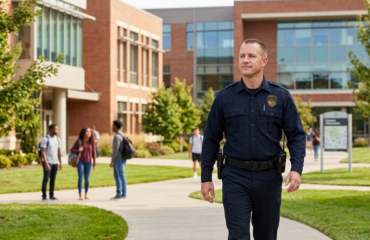
During a patrol, officers can look for open gates, damaged fencing, lighting failures, suspicious vehicles, unauthorized people, property damage, or other concerns.
Larger warehouse properties can also use mobile patrol security services to cover wider areas or provide scheduled and randomized after-hours inspections.
6. Use Mobile Patrol for Flexible Coverage
Not every warehouse needs a fixed security officer in every area.
For some facilities, mobile patrol can supplement gate or lobby coverage.
For example, a standing officer may remain at the primary truck entrance while a mobile patrol officer checks:
- Parking areas
- Trailer yards
- Secondary gates
- Perimeter fencing
- Loading areas
- Remote buildings
In addition, mobile patrol can be scheduled around higher-risk periods such as overnight hours, weekends, holidays, or low-staffing periods.
This allows each officer to focus on a different part of the security plan.
7. Use Video Monitoring to Extend Visibility
Video surveillance can help warehouse security teams observe areas that officers cannot continuously watch in person.
Depending on the facility, cameras may cover:
- Truck gates
- Loading docks
- Parking lots
- Trailer yards
- Building perimeters
- High-value storage areas
- Other approved locations
However, cameras are most useful when the warehouse has a clear response process.
For example, a monitoring operator may identify unusual activity, review the event, notify dispatch, and coordinate with an on-site officer or patrol unit when appropriate.
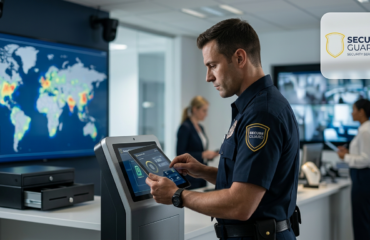
Secure Guard can combine warehouse personnel with video monitoring services when a facility needs broader visibility.
8. Monitor Parking and Employee Areas
Warehouse security should also include employee and visitor parking areas.
Officers may look for:
- Unauthorized vehicles
- Suspicious activity
- Vehicle break-ins
- Loitering
- Lighting problems
- Blocked access points
- After-hours activity
In addition, parking patrols can help security personnel understand activity around employee shift changes when large numbers of people arrive or leave at the same time.
9. Establish Clear Contractor and Vendor Procedures
Warehouses often rely on outside vendors, contractors, temporary personnel, and service providers.
Therefore, warehouse management should define how temporary access works.
Depending on the site, security officers may:
- Review approved contractor lists
- Verify scheduled vendors
- Maintain visitor logs
- Issue temporary credentials
- Direct contractors to approved areas
- Restrict access to employee-only locations
Clear procedures reduce confusion and help officers make consistent access decisions.
10. Document Security Activity
Warehouse managers should know what happened during each security shift.
Therefore, professional warehouse security should include consistent reporting.
Depending on the assignment, officers may document:
- Gate activity
- Truck arrivals and departures
- Visitor activity
- Patrol completion
- Parking observations
- Security incidents
- Property damage
- Open gates or doors
- Photos when appropriate
- Items requiring follow-up
As a result, management receives a record of security activity rather than relying only on verbal updates.
11. Use SecureTrack for Patrol Verification
Secure Guard uses SecureTrack to support reporting, patrol verification, and field accountability.
Depending on the service configuration, SecureTrack can support:
- Officer attendance
- GPS-supported patrol activity
- Security checkpoints
- Daily Activity Reports
- Incident reports
- Photos
- Security observations
- Supervisor activity
Therefore, warehouse managers can gain greater visibility into where and when security activity took place.
In addition, supervisors can use the same information when reviewing patrol completion and officer performance.
12. Support Officers With 24/7 Dispatch
Many warehouses operate outside normal business hours. As a result, security officers may work nights, weekends, holidays, and low-staffing periods.
Secure Guard field personnel are supported through a 24/7 Dispatch and Operations Center.
Depending on the situation, dispatch can help:
- Receive officer updates
- Contact field supervisors
- Notify approved client contacts
- Coordinate additional personnel
- Support incident escalation
- Document important communications
This gives officers a clear communication channel instead of requiring them to manage unusual situations alone.
13. Use Field Supervision to Maintain Standards
Technology can help verify activity. However, active field supervision remains important.
Supervisors can review:
- Officer attendance
- Professional appearance
- Post-order compliance
- Gate procedures
- Patrol completion
- Reporting quality
- Client concerns
- Training needs
In addition, supervisor visits give the operations team an opportunity to identify problems and adjust coverage.
14. Use Site-Specific Post Orders
A warehouse security officer should know exactly what the client expects.
Post orders may define:
- Gate procedures
- Truck and driver requirements
- Visitor access
- Patrol routes
- Restricted areas
- Emergency contacts
- Incident-reporting standards
- After-hours procedures
- Client notification requirements
For this reason, post orders should be created before officers begin working independently.
They should also be updated when the warehouse changes its operating hours, layout, delivery procedures, or security priorities.
Armed or Unarmed Security for a Warehouse?
Not every warehouse needs armed security.
For many facilities, professional unarmed officers can provide:
- Gate access control
- Driver verification
- Visitor management
- Foot patrols
- Parking coverage
- Incident reporting
- De-escalation
On the other hand, higher-risk facilities may evaluate armed coverage based on the site’s risk assessment, inventory, location, previous incidents, client policies, and applicable rules.
Secure Guard provides armed and unarmed security officers based on each property’s requirements.
California Security Guard Requirements
Businesses should verify that security personnel meet California requirements.
The Bureau of Security and Investigative Services regulates security guard registration in California. Current requirements include minimum age standards, criminal-history background checks, required training, and continuing training.
You can review current requirements through the California BSIS Security Guard Registration Fact Sheet.
Therefore, warehouse operators should work with a properly licensed security provider and confirm that assigned personnel hold the credentials required for their duties.
Warehouse Security for San Jose and Santa Clara County
Secure Guard provides security services throughout San Jose and Santa Clara County for warehouses, industrial facilities, corporate campuses, technology facilities, construction projects, retail centers, and other commercial properties.
Depending on the facility, a San Jose warehouse security program may include:
- Gate security officers
- Armed or unarmed officers
- Truck and driver access procedures
- Foot patrols
- Mobile patrol
- Parking-area security
- Loading-dock monitoring
- Video monitoring
- Incident reporting
- SecureTrack reporting
- 24/7 dispatch support
- Field supervision
- Site-specific post orders
Learn more about Secure Guard security services in Santa Clara County.
Warehouse and Storage Facility Security
Some warehouse and storage properties have similar security needs, including gate access, perimeter patrols, storage-area checks, video monitoring, and after-hours security.
Secure Guard also provides storage facility security services for properties that need additional protection around stored inventory, access points, and perimeters.
What to Look for in a San Jose Warehouse Security Company
Before choosing a provider, ask how the company will manage the entire operation.
Useful questions include:
- Will you complete a site assessment?
- Do you have experience with warehouse or industrial properties?
- How will truck and driver access be handled?
- Will you create site-specific post orders?
- How are patrols verified?
- What reports will management receive?
- How are guards supervised?
- Is dispatch available 24/7?
- Can you provide mobile patrol?
- Can you provide video monitoring?
- How do you handle officer call-offs?
- Can coverage change when warehouse operations change?
The provider should explain the operation behind the officer instead of simply quoting an hourly rate.
How Secure Guard Supports San Jose Warehouses
Secure Guard Security Services develops warehouse security programs around each facility’s layout, operating schedule, access points, inventory, delivery activity, parking areas, and previous incidents.
Depending on the site, coverage can combine:
- On-site security officers
- Gate access control
- Truck and visitor logging
- Foot patrols
- Mobile patrol
- Parking-area coverage
- Perimeter inspections
- Video monitoring
- SecureTrack reporting
- 24/7 dispatch support
- Field supervision
- Site-specific post orders
Most importantly, the security plan should support warehouse operations rather than interfere with shipping, receiving, employees, or scheduled deliveries.
Request a San Jose warehouse security assessment to discuss your facility, inventory, access points, operating schedule, and security requirements.
Frequently Asked Questions About Warehouse Security in San Jose
What do warehouse security guards do?
Warehouse security guards may manage gates, verify drivers and visitors, conduct patrols, monitor loading and parking areas, report suspicious activity, document incidents, and follow site-specific security procedures.
Do warehouses need security guards if they already have cameras?
Not every facility needs the same coverage. Cameras provide visibility and recorded information, while security officers provide human observation, communication, access control, and an on-site response. Some facilities benefit from combining both.
Can warehouse security guards check trucks and drivers?
Yes, when that responsibility forms part of the client’s procedures. Officers can verify approved drivers, maintain logs, confirm scheduled access, and direct vehicles according to warehouse instructions.
Can mobile patrol protect a warehouse?
Yes. Mobile patrol can provide scheduled or randomized checks of parking areas, perimeters, gates, loading docks, trailer yards, and other designated parts of the property.
Should warehouse security guards be armed?
Not automatically. Armed or unarmed coverage should depend on the property’s risk assessment, inventory, operating conditions, previous incidents, client requirements, and applicable rules.
Can warehouse security work with video monitoring?
Yes. Video monitoring can provide wider visibility, while on-site officers or patrol personnel can inspect locations when activity requires a physical response.
How can warehouse managers verify that patrols occurred?
Depending on the security program, SecureTrack can provide GPS-supported patrol activity, checkpoints, reports, photos, attendance information, and other documentation.
Does Secure Guard provide warehouse security in San Jose?
Yes. Secure Guard provides security services throughout San Jose and Santa Clara County for warehouses, industrial properties, technology facilities, commercial buildings, construction projects, and other sites.