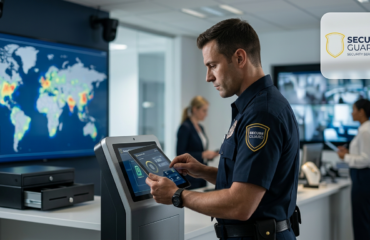
Security guard monitoring systems can help security companies improve efficiency, accountability, communication, and visibility across daily operations. Instead of relying only on handwritten logs or verbal updates, digital systems can organize patrol activity, incident reports, officer schedules, and other operational information.
For property managers, the benefit is greater visibility into the security services being provided. For security companies, the right technology can make it easier to coordinate officers, supervisors, dispatch teams, and client communication.
However, technology should support a well-managed security program rather than replace trained personnel and effective supervision.
Here is how modern monitoring technology can improve the management of security guard operations.
What Is a Security Guard Monitoring System?
A security guard monitoring system is a technology platform used to track, document, and manage security operations.
Depending on the system and service configuration, it may provide features such as:
- GPS officer tracking
- Electronic patrol checkpoints
- Digital incident reporting
- Real-time alerts
- Guard scheduling
- Time and attendance tracking
- Post-order management
- Photographs and video documentation
- Supervisor communication
- Client reporting
Not every security operation needs every feature. The right system should support the specific requirements of the property and the security team.
1. Improve Patrol Accountability
One of the biggest advantages of a digital monitoring system is the ability to document patrol activity.
For example, a mobile patrol officer may be assigned to inspect several gates, buildings, parking areas, or loading docks during a shift. Electronic checkpoints can provide a record when the officer reaches designated locations.
This gives supervisors more information than a simple statement that a patrol was completed.
GPS and Checkpoint Verification
GPS tracking and electronic checkpoints can record information such as location and time when officers complete assigned patrol activities.
Secure Guard uses GPS tracking and checkpoint scanning through SecureTrack to support patrol verification and operational visibility when those features are included in the service configuration.
For properties that require regular inspections across multiple areas, mobile patrol security can be combined with digital patrol verification.
2. Make Incident Reporting More Consistent
Security officers may encounter incidents, unusual conditions, access problems, property damage, or other situations that require documentation.
A digital reporting system can give officers a consistent way to record what they observed and what action they took.
Depending on the system, an incident report may include:
- Date and time
- Location
- Description of the incident
- Photographs
- Video
- Actions taken
- Management notifications
- Follow-up information
Consistent reporting helps supervisors and authorized clients understand what occurred without relying only on verbal communication.
Focus on Observable Facts
A good security report should describe what the officer observed rather than make unsupported assumptions.
For example, instead of simply describing someone as “suspicious,” an officer should document the specific behavior, location, time, and circumstances that prompted the report.
This creates a more useful record for property management and the security provider.
3. Give Supervisors Better Visibility
Security supervisors need information to manage officers effectively.
A monitoring platform can help supervisors review patrol activity, reports, schedules, missed checkpoints, staffing information, and other operational data.
For example, if an officer misses a required checkpoint, the information can alert the appropriate supervisor to review what happened.
Similarly, recurring incidents at a particular location may indicate that the post orders or patrol schedule need to be reviewed.
Technology Does Not Replace Field Supervision
Digital information is useful, but it does not replace experienced supervisors.
Supervisors still need to communicate with officers, inspect assignments, review reports, address performance concerns, and communicate with clients.
For more information, read our guide to the qualities of a security guard supervisor.
4. Improve Guard Scheduling
Managing security schedules across multiple properties can become complicated when officers work different shifts, locations, and assignments.
Digital scheduling tools can help managers organize recurring schedules, assign officers to posts, and communicate changes.
A well-organized schedule can also help supervisors identify potential coverage gaps before a shift begins.
Why Scheduling Matters
Security coverage depends on having the right personnel at the right location during the agreed hours.
For that reason, scheduling technology should work together with attendance tracking and supervisor oversight.
When these systems are connected, management can better understand whether scheduled coverage occurred and whether staffing issues require follow-up.
5. Improve Time and Attendance Tracking
Time and attendance information can help security companies manage shifts and provide clearer records of scheduled coverage.
Depending on the platform, managers may be able to review clock-in and clock-out activity, authorized locations, scheduled shifts, and approved hours.
This information can support both operational management and client communication.
It can also help identify situations where an officer was unable to complete a scheduled shift or where coverage needs to be adjusted.
6. Keep Post Orders Accessible
Security officers need clear instructions for the properties they protect.
Post orders can explain:
- Access procedures
- Patrol routes
- Emergency contacts
- Incident reporting requirements
- Visitor procedures
- Opening and closing responsibilities
- Areas requiring special attention
- Escalation procedures
Digital post-order management allows authorized instructions to remain accessible to officers while they are performing their assignments.
This can be particularly useful for security companies managing multiple properties with different procedures.
7. Provide Real-Time Operational Alerts
Some security monitoring systems can provide alerts when specific events occur.
Depending on the configuration, alerts may relate to:
- Missed patrol activity
- Checkpoint events
- Officer activity
- Incident reports
- Staffing issues
- Other predefined conditions
Real-time alerts can help supervisors identify issues sooner instead of waiting for a daily report.
However, alerts should be configured carefully. Too many unnecessary notifications can make it harder for supervisors to identify information that actually requires attention.
8. Give Clients Better Visibility Into Security Operations
Property managers often want to know whether their contracted security services are being completed.
A client-accessible reporting system can provide information about patrols, incidents, checkpoints, and other security activities when those features are included in the service agreement.
This can reduce the need to rely entirely on phone calls or manual reports.
Instead, authorized management personnel can review documented information and communicate with the security provider when follow-up is required.
Secure Guard’s SecureTrack guard management system is designed to provide operational visibility through digital reporting, GPS tracking, patrol documentation, incident reporting, and other management tools.
What Makes a Security Guard Monitoring System Effective?
The best monitoring system is not necessarily the one with the longest list of features.
The system should make daily security operations easier to manage while providing useful information to supervisors and authorized clients.
Ease of Use
Officers need to be able to use the system during normal security duties. Complicated workflows can create unnecessary delays and reduce consistent adoption.
Reliable Data
Reports, timestamps, locations, and other records should provide useful operational information that supervisors can review.
Mobile Accessibility
Security officers work in the field, so mobile access can make reporting and communication more practical.
Supervisor Controls
Supervisors should be able to review activity, communicate with officers, manage assignments, and identify operational concerns.
Client Visibility
When clients need direct reporting access, the system should provide the information agreed upon in the security service plan.
Scalability
A system should be able to support the size of the security operation. A small assignment may require a simple workflow, while a multi-property operation may need scheduling, dispatch, GPS tracking, reporting, and management dashboards.
Security Technology Should Support the Security Team
Technology is most useful when it works alongside trained security personnel and experienced supervisors.
A GPS record can show where an officer’s device was located. A checkpoint scan can show that a checkpoint was recorded. An incident report can document what an officer reported.
However, supervisors still need to evaluate that information and determine whether the security operation is meeting the property’s requirements.
For this reason, monitoring technology should be viewed as an operational tool rather than a replacement for professional security personnel.
How Secure Guard Uses Monitoring Technology
Secure Guard integrates technology into its broader security operations to support accountability and communication.
SecureTrack can support:
- GPS tracking
- Checkpoint patrol verification
- Digital incident reports
- Photographs and video documentation
- Real-time alerts
- Guard scheduling
- Timekeeping
- Digital post orders
- Client reporting
The exact features available depend on the service configuration and the requirements of each assignment.
For properties that require physical security personnel, technology can also support armed and unarmed security officers by providing additional visibility into daily activities and reporting.
Combining Monitoring Technology With Other Security Services
Monitoring technology can support different types of security programs.
For example, a warehouse may combine mobile patrols with GPS checkpoints and digital reporting. An office building may use an on-site officer with access control and incident reporting. A construction site may combine patrols, surveillance, and remote monitoring.
Depending on the property, businesses may combine:
- On-site security officers
- Mobile patrols
- Video monitoring
- Access control
- Security assessments
- Surveillance technology
Secure Guard also provides video monitoring services that can work alongside physical security personnel and SecureTrack reporting when included in the security plan.
Questions to Ask Before Choosing a Monitoring System
Before selecting a security monitoring platform, determine what your operation actually needs.
- Can officers access the system from mobile devices?
- Can supervisors review patrol activity?
- Can the system verify checkpoints?
- Can officers submit digital incident reports?
- Can photographs or videos be attached to reports?
- Can managers track scheduled shifts?
- Can authorized clients review reports?
- Can post orders be updated digitally?
- Can the system generate useful management reports?
- Can the platform support additional properties as the operation grows?
These questions help identify whether the technology solves an actual operational need rather than simply adding another software platform to the security process.
Frequently Asked Questions About Security Guard Monitoring Systems
What Is the Purpose of a Security Guard Monitoring System?
The purpose is to help security companies track, document, communicate, and manage security activities. Depending on the platform, this can include patrol verification, GPS tracking, incident reporting, scheduling, timekeeping, and client reporting.
Can Security Monitoring Systems Track Patrols?
Yes. Systems that use GPS and electronic checkpoints can provide information about patrol locations and completed checkpoints when those features are enabled.
Can Security Guards Submit Reports From Their Phones?
Many modern systems support mobile reporting. Officers can enter incident information and, depending on the platform, attach photographs or other supporting documentation.
Can Clients See Security Reports?
Some systems provide client-facing dashboards or reporting tools. The level of access depends on the security provider, technology platform, and service agreement.
Does Security Guard Monitoring Replace a Security Officer?
No. Monitoring technology supports security operations but does not replace trained officers, supervisors, property-specific procedures, or emergency services.
Can Monitoring Technology Work With Mobile Patrols?
Yes. Mobile patrols can use GPS tracking, electronic checkpoints, and digital reporting to document patrol activity and provide additional operational visibility.
Build a More Efficient and Accountable Security Program
Security guard monitoring systems can improve the way security companies manage patrols, reports, schedules, communication, and client visibility.
However, effective security requires more than technology. Businesses also need trained personnel, clear post orders, active supervision, reliable communication, and procedures designed around the property’s actual requirements.
Secure Guard Security Services combines professional security personnel with operational technology and reporting tools designed to support accountability across security assignments.
Contact Secure Guard Security Services to discuss your property, security requirements, monitoring needs, and available service options.