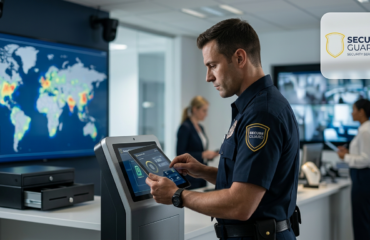
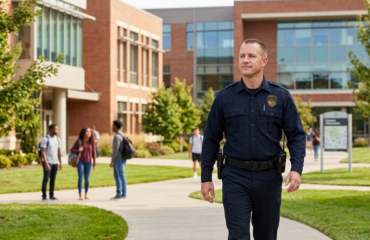
Security patrol services provide regular physical inspections of a property without requiring an officer to remain at one fixed post throughout the entire shift. Patrol officers can move between designated areas, check access points, observe property conditions, document concerns, and report activity according to the site’s post orders.
This type of coverage can work well for commercial properties, warehouses, construction sites, residential communities, parking areas, business parks, and other locations that need regular security visibility across a larger footprint.
However, a patrol service should be more than a security vehicle driving through the property. A professional program needs clear routes, defined responsibilities, reporting procedures, supervision, and an agreed schedule.
Here is what property managers should understand before choosing a patrol security program.
What Are Security Patrol Services?
Security patrol services involve trained security personnel inspecting designated areas of a property according to an agreed service plan.
Depending on the assignment, officers may patrol on foot or in a marked security vehicle.
Common patrol responsibilities may include:
- Checking gates and doors
- Inspecting building exteriors
- Monitoring parking areas
- Reviewing loading zones
- Checking perimeter fencing
- Observing vacant buildings
- Inspecting construction areas
- Documenting unusual conditions
- Responding to alarms when included in the service plan
- Reporting incidents to management
The exact responsibilities should be written into the property’s post orders before service begins.
How Is a Security Patrol Different From a Standing Guard?
A standing security officer and a mobile patrol officer provide different types of coverage.
Standing Security Officers
A standing officer remains at an assigned property or security post during the contracted hours.
This may be appropriate when a location needs:
- Continuous entrance coverage
- Lobby security
- Gatehouse staffing
- Visitor management
- Employee access control
- Continuous observation of a specific area
Secure Guard provides armed and unarmed security officers for properties that require dedicated on-site personnel.
Mobile Patrol Officers
A mobile patrol officer moves between designated areas or properties instead of remaining at one post.
This can be useful when a property needs regular inspections but does not require continuous staffing at every location.
Some properties use both models. For example, a warehouse may have a standing officer at the main gate while a mobile patrol officer checks the perimeter, parking areas, and exterior buildings.
What Does a Security Patrol Officer Check?
The patrol checklist should match the property.
A warehouse may require different inspections from an apartment community or construction site.
Depending on the assignment, officers may check:
- Exterior doors
- Vehicle gates
- Pedestrian gates
- Parking lots
- Parking garages
- Loading docks
- Perimeter fencing
- Vacant units
- Common areas
- Storage areas
- Construction equipment areas
- Lighting conditions
Officers should know what they are looking for at each location.
For example, a gate checkpoint may require the officer to confirm that the gate is closed and report visible damage. A parking-area checkpoint may focus on access problems, lighting concerns, or unusual activity.
Clear instructions make patrols more useful than simply requiring an officer to visit a location.
Scheduled vs. Randomized Patrols
Patrol timing can vary based on the needs of the property.
Scheduled Patrols
Scheduled patrols occur during defined service periods.
This approach can work well when management needs an officer to complete a specific task at a particular time, such as:
- Opening a gate
- Checking a property after closing
- Completing a lock-up inspection
- Inspecting an area before employees arrive
Randomized Patrols
Randomized patrols occur within agreed coverage periods without following the exact same arrival time every day.
This can make patrol timing less predictable while still following the client’s approved service requirements.
A security provider may also combine scheduled and randomized inspections depending on the assignment.
Secure Guard’s mobile patrol services can be structured around customized routes and scheduled or randomized property inspections.
Why Patrol Routes Should Be Customized
Using the same patrol route for every property can lead to missed areas and unnecessary inspections.
A patrol route should consider:
- Property size
- Building layout
- Access points
- Parking areas
- Operating hours
- Tenant activity
- Previous incidents
- Areas that need regular checks
For example, a construction site may need more attention around equipment storage and perimeter fencing. A residential community may focus more on entrances, parking areas, and common spaces.
The route should also change when the property changes.
New construction, revised access points, tenant changes, or different operating hours may require an updated patrol plan.
How Security Patrols Are Documented
A professional patrol program should create a record of the work completed.
Depending on the service configuration, documentation may include:
- Patrol timestamps
- GPS information
- Electronic checkpoint scans
- Daily activity reports
- Incident reports
- Photographs
- Management notifications
- Follow-up notes
Secure Guard uses SecureTrack to support digital incident reporting, GPS tracking, checkpoint tours, scheduling, and patrol documentation when those features are included in the assignment.
Checkpoint records can help confirm that an officer visited a designated area. However, a checkpoint scan alone does not explain the quality of the inspection.
Reports should also describe important observations and any follow-up that property management needs to arrange.
What Makes a Useful Patrol Report?
A useful report should tell management what the officer actually observed.
For example, instead of writing:
“Parking lot checked. All clear.”
A more useful report might explain which areas were inspected and identify any specific condition that required attention.
When an issue occurs, reports may include:
- The date and time
- The specific location
- What the officer observed
- What action was taken
- Who received the notification
- Photographs when appropriate
- Whether additional follow-up is needed
Reports should focus on observable facts rather than assumptions about a person’s intentions.
Can Mobile Patrol Officers Respond to Alarms?
Alarm response can be included in a mobile patrol program when it forms part of the agreed service.
The service agreement should clearly explain:
- Which alarms are included
- Who dispatches the patrol officer
- What the officer is expected to inspect
- Who receives notifications
- When law enforcement or emergency services should be contacted
- How the response is documented
Do not assume that alarm response is automatically included with every patrol plan.
Property managers should confirm the process before service begins.
How Often Should a Property Be Patrolled?
There is no single patrol frequency that works for every property.
The appropriate schedule depends on:
- Property size
- Operating hours
- Number of buildings
- Access points
- Previous concerns
- Tenant activity
- Required patrol duties
- Budget and service scope
One property may need several visits overnight, while another may need only a closing inspection and an early-morning check.
Instead of choosing a patrol frequency based on a generic recommendation, identify the duties that need to be completed and build the schedule around those requirements.
Which Properties Can Use Security Patrol Services?
Patrol security can work across many property types.
Commercial Properties
Office buildings and business parks may use patrols for parking areas, building exteriors, entrances, and after-hours inspections.
Warehouses and Logistics Facilities
Warehouses may need patrols around gates, loading areas, trailers, perimeter fencing, and exterior buildings.
Construction Sites
Construction patrols may focus on gates, materials, equipment areas, perimeter conditions, and changing site access.
Residential Communities
HOAs and apartment properties may use patrols for parking areas, gates, common spaces, and community streets.
Retail and Shopping Centers
Retail properties may need exterior patrols, parking-area observation, loading-area checks, and after-hours inspections.
Vacant Properties
Vacant buildings may benefit from scheduled inspections of entrances, exterior conditions, gates, and other designated areas.
How Mobile Patrols Work With Video Monitoring
Mobile patrols and cameras perform different functions.
A camera can provide visibility over a designated area, while a patrol officer can physically inspect the property when required.
Some properties use both.
For example, video monitoring may identify activity that requires additional review. Depending on the property’s approved response procedure, a patrol officer may then be dispatched or management may receive a notification.
Secure Guard also provides professional video monitoring services for properties that want active camera oversight during agreed coverage periods.
The response process should be established before monitoring begins.
What Should Security Patrol Post Orders Include?
Post orders give patrol officers clear instructions for the property.
Depending on the assignment, they may include:
- Patrol routes
- Required checkpoints
- Visit frequency
- Gate checks
- Door checks
- Parking-area inspections
- Opening or closing procedures
- Alarm-response instructions
- Emergency contacts
- Incident-reporting requirements
- Management notification procedures
Post orders should reflect the actual property rather than use generic instructions copied from another site.
Management should also update them whenever important property conditions change.
Questions to Ask Before Hiring a Patrol Security Company
Before selecting a provider, ask how the patrol service will operate after the agreement begins.
- How will the patrol route be created?
- How often will officers visit?
- Are patrol times scheduled, randomized, or both?
- How are checkpoints verified?
- What happens when an officer finds a problem?
- How are incidents documented?
- Is alarm response included?
- Who supervises the patrol officers?
- How can management review patrol activity?
- What happens if a scheduled patrol cannot be completed?
The provider should be able to explain these details clearly before service begins.
Security Patrol Services vs. Adding More Cameras
Property managers sometimes compare patrol services with adding additional surveillance cameras.
These are not direct substitutes.
Cameras can provide visual coverage over selected areas. Patrol officers can physically inspect locations, identify conditions outside the camera view, and complete specific tasks included in their post orders.
The right approach may involve:
- Mobile patrol only
- Video monitoring only
- On-site security officers
- A combination of patrols and cameras
- A blended program with on-site guards, patrols, and monitoring
The decision should follow the property’s actual operating conditions and security requirements.
Frequently Asked Questions About Security Patrol Services
What Do Security Patrol Officers Do?
Patrol officers inspect designated areas, check access points, observe property conditions, document concerns, and follow the responsibilities established in the property’s post orders.
Are Security Patrols Random?
They can be. Patrol programs may use scheduled visits, randomized visits, or a combination of both depending on the service agreement.
Can Patrol Officers Check Doors and Gates?
Yes. Officers can inspect designated doors, gates, locks, fences, and other access points when those checks are included in the patrol plan.
Can Patrol Officers Respond to Alarms?
Yes, when alarm response is included in the service plan. The response duties and notification procedures should be agreed upon before service begins.
How Are Patrols Verified?
Depending on the service configuration, patrol activity can be documented through GPS tracking, electronic checkpoints, timestamps, photographs, and digital reports.
Can Mobile Patrols Replace a Full-Time Security Guard?
Not always. Mobile patrols provide periodic inspections, while a full-time security officer provides continuous presence during the contracted shift. The right option depends on what the property needs.
Can Mobile Patrols Work With On-Site Guards?
Yes. Some properties use on-site officers for fixed posts while mobile patrol personnel inspect other areas of the property.
Build a Patrol Program Around Your Property
Effective security patrol services begin with clear expectations.
Identify the areas that need inspection, decide when patrols should occur, define what officers should check, and establish how activity will be documented.
Then review the program after service begins. Property conditions, operating hours, tenant activity, or previous incidents may require adjustments over time.
For more detail about specific patrol responsibilities, read 4 Roles for Live Guard Patrols.
Explore Secure Guard’s mobile patrol security services or contact Secure Guard Security Services to discuss your property, patrol schedule, checkpoints, and security requirements.