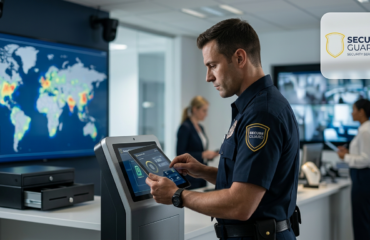
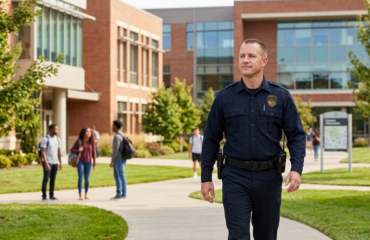
Business park perimeter security should protect more than the property line. A business park may include several office buildings, parking areas, loading zones, landscaped spaces, employee entrances, service roads, shared gates, and tenants that operate on different schedules.
Because of that complexity, perimeter security should combine physical barriers, access procedures, lighting, cameras, patrols, reporting, and clear after-hours rules rather than rely on one fence, camera, or security officer.
The Cybersecurity and Infrastructure Security Agency recommends reviewing existing security measures, identifying vulnerabilities, and considering practical improvements based on the facility’s actual risks. Businesses can review the CISA Security Assessment at First Entry program for additional physical-security guidance.
Here are ten practical measures property managers can use when reviewing security around a commercial or corporate business park.
What Is Business Park Perimeter Security?
Business park perimeter security includes the personnel, procedures, barriers, technology, and patrol activity used to manage access and improve visibility around the outside boundaries and shared areas of a commercial property.
Depending on the property, perimeter security may include:
- Vehicle gates
- Pedestrian entrances
- Fencing
- Exterior lighting
- Security cameras
- Mobile patrols
- Access-control procedures
- Visitor and vendor management
- Parking-area checks
- Incident reporting
The right combination depends on the number of buildings, operating hours, tenant activity, parking layout, delivery traffic, previous incidents, and existing security systems.
1. Map Every Perimeter and Access Point
First, identify every way a person or vehicle can enter the business park.
Review:
- Main vehicle entrances
- Secondary gates
- Pedestrian entrances
- Employee entrances
- Service roads
- Loading areas
- Emergency exits
- Adjacent properties
Property managers sometimes focus heavily on the primary entrance while overlooking secondary gates or rear access points that receive less traffic.
Once every access point is documented, management can decide which locations should remain open, which require credentials, and which need additional monitoring.
2. Strengthen Gate and Entrance Procedures
Next, define how employees, visitors, vendors, contractors, and delivery drivers enter the property.
Depending on the business park, security officers may support:
- Employee badge checks
- Visitor registration
- Vendor verification
- Vehicle-entry procedures
- Temporary visitor passes
- After-hours authorization
Secure Guard provides armed and unarmed security officers for properties that need professional gate coverage, access control, patrols, and reporting.
However, officers should follow written post orders rather than create access rules on their own.
3. Inspect Fencing, Barriers, and Landscaping
Physical barriers can help define the property boundary and guide people toward approved entrances.
Property managers should inspect:
- Fencing
- Vehicle gates
- Pedestrian gates
- Bollards or barriers
- Walls
- Landscaping near entrances
- Trash enclosures
Damaged fencing, open gates, overgrown landscaping, or objects placed near barriers can reduce visibility or create easier access routes.
In addition, landscaping should not unnecessarily block camera views or create hidden areas near entrances and parking lots.
4. Improve Exterior Lighting
Lighting supports both human observation and camera visibility.
CISA physical-security guidance notes that adequate lighting can support monitoring and detection around facility perimeters. :chatgpt-content-reference{index=”1″}
Review lighting around:
- Parking lots
- Parking structures
- Rear entrances
- Loading areas
- Walkways
- Gates
- Building perimeters
Security officers and patrol personnel can also document failed fixtures or poorly lit areas during property checks.
5. Position Cameras Around Real Risk Areas
Security cameras can provide broader visibility across a business park. However, camera placement matters more than simply installing a large number of devices.
Review coverage around:
- Vehicle entrances
- Pedestrian gates
- Parking areas
- Building corners
- Loading zones
- Rear entrances
- Shared common areas
Property managers should also review blind spots, image quality, lighting, maintenance, storage, and who responds when camera activity requires physical verification.
Secure Guard’s video monitoring services can support observation, activity verification, communication, documentation, and client-approved escalation procedures.
6. Use Mobile Patrols Across Larger Business Parks
One stationary officer cannot observe every area of a large commercial campus at the same time.
For that reason, mobile patrol services can extend coverage across:
- Parking areas
- Multiple buildings
- Rear access roads
- Loading zones
- Perimeter fencing
- Secondary gates
Patrol responsibilities may include checking doors and gates, observing parking activity, inspecting perimeter areas, and documenting unusual property conditions.
Patrol routes should use clear checkpoints and reporting procedures rather than undocumented drive-through visits.
7. Include Parking Areas in the Perimeter Plan
Parking lots and garages often make up a large portion of a business park.
Therefore, they should be part of the overall perimeter-security strategy.
Review:
- Vehicle entrances
- Pedestrian routes
- Lighting
- Camera coverage
- Employee parking
- Visitor parking
- After-hours activity
Parking patrols can also help identify damaged lighting, unsecured gates, unusual vehicle activity, or other concerns that require management attention.
8. Create Clear After-Hours Security Procedures
Business parks often become quieter after normal office hours, but some tenants may continue operating late into the evening or overnight.
As a result, management should clearly define what changes after normal business hours.
Procedures may address:
- Which gates remain open
- Who may enter
- Late vendors and deliveries
- Employee access
- Parking patrols
- Alarm notifications
- Emergency contacts
Secure Guard’s guide to 24/7 security support services explains how on-site officers, patrols, monitoring, dispatch, and reporting can support after-hours coverage.
9. Document Security Activity and Property Conditions
A professional perimeter-security program should produce useful documentation.
Reports may include:
- Patrol completion
- Gate issues
- Damaged fencing
- Lighting failures
- Unauthorized access attempts
- Parking concerns
- Suspicious activity
- Photos
- Follow-up requirements
Secure Guard uses SecureTrack security reporting and patrol verification to support GPS-backed patrol records, digital incident reports, photographs, checkpoints, and post orders depending on the client’s service configuration.
Over time, this information can help property managers identify repeat problems and adjust patrol routes, access procedures, lighting, or staffing.
10. Review Perimeter Security as the Property Changes
Finally, perimeter security should not remain static while the business park changes.
Review the plan when:
- A new tenant moves in
- Operating hours change
- A parking area expands
- A new entrance opens
- Construction changes traffic patterns
- Delivery activity increases
- A serious incident occurs
CISA’s SAFE physical-security assessment similarly focuses on reviewing existing safeguards, identifying vulnerabilities, and considering improvements based on current facility conditions. :chatgpt-content-reference{index=”2″}
Regular reviews help keep perimeter controls aligned with the way the property actually operates.
Use a Layered Business Park Security Strategy
No single security measure addresses every perimeter vulnerability.
A layered business park security program may combine:
- On-site officers
- Mobile patrols
- Access control
- Fencing and gates
- Exterior lighting
- Security cameras
- Video monitoring
- Alarm systems
- Incident reporting
Physical-security guidance commonly uses this layered approach by combining barriers, monitoring, access controls, lighting, cameras, and personnel rather than relying on one protective measure. :chatgpt-content-reference{index=”3″}
Secure Guard also provides dedicated business park security services for commercial properties that need on-site officers, vehicle patrols, access procedures, monitoring, and reporting.
Mobile Surveillance Towers Can Support Large Perimeters
Some business parks have outdoor areas where permanent camera infrastructure is limited or difficult to install.
In those situations, mobile surveillance towers may provide additional temporary or flexible visibility.
Possible coverage areas include:
- Large parking lots
- Construction zones
- Equipment areas
- Temporary access points
- Remote sections of the property
Surveillance towers can supplement permanent cameras, mobile patrols, or on-site officers when the property needs additional visual coverage.
Physical Security and Cybersecurity Are Different
The current perimeter of a business includes both physical and digital concerns, but these areas require different expertise.
This article focuses on physical perimeter security, including gates, fences, lighting, officers, patrols, cameras, and access procedures.
Cybersecurity issues such as network access, malware, encryption, and account security should be handled by qualified IT and cybersecurity professionals.
Keeping these responsibilities separate helps property managers understand which provider is responsible for each part of the organization’s security program.
Questions to Ask During a Business Park Perimeter Review
Property managers can use these questions to identify possible gaps:
- Do we know every way people and vehicles can enter?
- Are all gates and fences in good condition?
- Are parking areas adequately lit?
- Do cameras have perimeter blind spots?
- Are visitor and vendor procedures clear?
- Are secondary entrances monitored?
- Do patrols cover the areas where incidents occur?
- What changes after business hours?
- How are security concerns documented?
- Has the property changed since the last security assessment?
For a broader facility-security review, read Secure Guard’s guide to physical security consulting and assessments.
Build Perimeter Security Around Your Business Park
Effective business park perimeter security should reflect the layout, operating hours, tenant activity, parking, access points, deliveries, and previous security concerns of the property.
Secure Guard Security Services provides business park security officers, mobile patrols, video monitoring, surveillance towers, site-specific post orders, field supervision, and SecureTrack reporting.
Explore our business park security services or our full range of professional security services.
To discuss perimeter security for your business park, call 888-908-7818 or request a security assessment with Secure Guard.