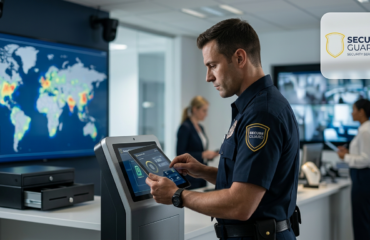
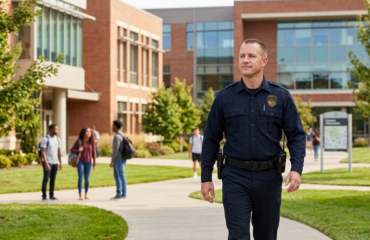
Wedding security guards can help couples, families, planners, and venues manage guest access, parking, restricted areas, valuable property, crowd activity, and unexpected situations during the event.
A wedding brings together guests, vendors, catering staff, photographers, entertainers, venue employees, deliveries, and vehicles in one location. As a result, the event can create security concerns that are easy to overlook while everyone focuses on the celebration.
However, professional wedding security should support the event without making guests feel uncomfortable or turning the venue into an overly restrictive environment.
The Cybersecurity and Infrastructure Security Agency provides a Mass Gathering Security Planning Tool that encourages event organizers to review venue characteristics, crowd management, emergency procedures, and physical-security measures before an event begins.
Secure Guard provides professional event security officers for weddings, private events, corporate gatherings, and other authorized event assignments.
Why Consider Security Guards for a Wedding?
Not every wedding needs professional security. However, security may help when the event has a large guest list, multiple entrances, alcohol service, valuable equipment, VIP guests, parking concerns, or specific venue requirements.
For example, a wedding security plan may address:
- Guest access
- Parking areas
- Vendor entrances
- Gift and equipment areas
- Restricted rooms
- Alcohol-related concerns
- Emergency communication
- Incident reporting
Ultimately, the right level of coverage depends on the venue, number of guests, operating hours, event format, and known concerns.
1. Wedding Security Guards Can Support Guest Access
First, wedding security officers can help manage who enters the venue.
Depending on the event, officers may support:
- Guest-list procedures
- Invitation or credential checks
- Vendor access
- Staff entrances
- VIP access
- Re-entry procedures
Couples and planners should decide in advance how the team will handle unexpected visitors.
For example, the security team should know who can approve a guest who does not appear on the original list. Officers should not have to make that decision on their own at the entrance.
As a result, clear procedures help protect the private nature of the event while keeping guest interactions professional.
2. Some Wedding Venues May Require Security
Next, confirm whether the venue requires professional security because of guest count, alcohol service, event hours, or venue policy.
Requirements vary by property. Therefore, before hiring an outside company, ask the venue:
- Is security required?
- How many officers are required?
- Can we hire an outside security provider?
- Does the venue provide its own security personnel?
- Does the venue restrict armed officers?
- Does the venue require specific security posts?
- Are there additional insurance requirements?
Afterward, the couple, planner, and security provider can build the security plan around those requirements.
3. Security Officers Can Monitor Gifts and Restricted Areas
In addition, weddings can involve gifts, personal belongings, photography equipment, entertainment equipment, decorations, and other valuable property.
Security officers cannot guarantee that theft will never occur. However, they can add another layer of observation around designated areas.
Depending on the event, officers may monitor:
- Gift tables
- Vendor equipment
- Storage rooms
- Bridal suites
- Production areas
- Staff-only rooms
For valuable items, organizers should also use physical controls such as locked rooms, limited access, clear responsibility for gifts, and documented vendor procedures.
Therefore, security personnel should support these controls rather than act as the only protection for valuable property.
4. Parking Areas Should Be Included in the Wedding Security Plan
Wedding security should not stop at the venue entrance.
Guests may leave vehicles in parking lots or garages for several hours. Meanwhile, vendors, rideshare drivers, transportation companies, and venue staff may also move through the property.
Because of that activity, security planning may consider:
- Guest parking
- VIP parking
- Vendor vehicles
- Rideshare pickup areas
- Lighting
- Parking entrances and exits
- Pedestrian routes
For larger venues, mobile patrol services may provide additional coverage across parking areas and the property perimeter.
Secure Guard also provides traffic control services for approved vehicle-flow and parking assignments.
However, public-road traffic control may require permits, approved traffic plans, certified personnel, or law-enforcement involvement depending on the jurisdiction.
5. Alcohol Service May Require Additional Planning
Weddings that serve alcohol may require additional planning because alcohol can affect guest behavior, transportation, and venue procedures.
Security personnel should not take over the responsibilities of bartenders, caterers, or licensed alcohol servers. Instead, officers can support the event’s approved procedures when a security concern develops.
For example, the security plan may define:
- Who handles an intoxicated guest
- When officers should contact event management
- How the event handles transportation concerns
- When officers should contact law enforcement or emergency services
- Which areas security officers should monitor
California alcohol rules vary depending on the venue, license type, caterer, and event. In addition, some temporary or catered events require authorization from the California Department of Alcoholic Beverage Control.
Organizers can review California ABC license information and applicable venue requirements before the event.
Therefore, security personnel should support responsible event procedures rather than make alcohol-service decisions outside their assigned role.
6. Wedding Security Guards Can Support Emergency Procedures
Unexpected situations can occur at any event. Therefore, wedding security officers should understand the venue’s emergency procedures before guests arrive.
Those procedures may cover:
- Medical incidents
- Fire alarms
- Evacuations
- Severe weather
- Unauthorized access
- Guest disturbances
- Suspicious activity
Before the event begins, officers should know:
- Who they report to
- Where emergency exits are located
- Which access routes must remain clear
- When they should contact emergency services
- Who represents venue management
- What information they must document
Private security officers do not replace police officers, firefighters, paramedics, or other first responders.
Instead, they should follow the venue’s approved procedures and communicate with the appropriate personnel.
7. Professional Officers Can Help Maintain an Orderly Guest Experience
Finally, wedding security should remain professional and discreet.
Most officer interactions will not involve emergencies or serious incidents. Instead, officers may spend much of the event managing access, giving directions, observing guest areas, communicating with venue staff, and answering basic questions.
Useful communication skills include:
- Active listening
- Clear verbal communication
- Professional customer service
- De-escalation
- Radio communication
- Accurate reporting
For more information, read Secure Guard’s guide to security guard communication skills.
What Should Wedding Security Officers Do?
The couple, planner, venue, and security provider should establish officer responsibilities before the wedding.
Depending on the plan, a wedding security officer may:
- Monitor entrances
- Verify guest access
- Observe parking areas
- Patrol the venue
- Monitor restricted areas
- Communicate with event management
- Document security incidents
- Support emergency procedures
For a broader explanation of event duties, review Secure Guard’s guide to event security officer responsibilities.
How Many Security Guards Does a Wedding Need?
There is no universal officer-to-guest ratio that fits every wedding.
Instead, organizers should consider:
- Guest count
- Venue size
- Number of entrances
- Parking areas
- Alcohol service
- VIP participation
- Event duration
- Restricted areas
- Venue requirements
- Known security concerns
For example, a small private ceremony with one entrance may need very different coverage from a large reception with several hundred guests, multiple parking areas, alcohol service, entertainment, and several vendor entrances.
Therefore, a security provider should review the event before recommending staffing.
Should Wedding Security Guards Be Armed or Unarmed?
Most weddings do not automatically require armed officers.
Unarmed security may be appropriate when the primary responsibilities involve:
- Guest access
- Parking observation
- Venue patrols
- Restricted areas
- Professional guest interaction
- Incident reporting
However, organizers may consider armed coverage when a documented risk assessment, venue requirement, threat concern, or other approved security need supports it.
Secure Guard provides armed and unarmed security officers based on the requirements of the assignment.
For a broader comparison, read our guide to armed vs. unarmed security.
California Wedding Security Guards Must Meet Licensing Requirements
The Bureau of Security and Investigative Services regulates California security guards.
BSIS requires guard applicants to meet applicable registration, background-check, and training requirements.
Organizers can review the California BSIS Security Guard Registration requirements for current information.
In addition, officers who carry firearms or certain regulated equipment must meet additional requirements.
Couples and planners should also confirm that the security company holds the appropriate license to provide contract security services.
Questions to Ask Before Hiring Wedding Security
Before selecting a provider, ask:
- Is your security-company license current?
- Are assigned officers properly registered?
- Have you worked at weddings or private events before?
- Will you review the venue before the event?
- How many officers do you recommend?
- Where will officers work?
- Who will supervise the security team?
- How do you handle officer call-offs?
- How do officers document incidents?
- How does the team escalate emergencies?
For a broader provider-selection checklist, read our guide on how to choose event security guard services.
Create a Wedding Security Plan Before the Big Day
In addition, a simple wedding security plan can help the couple, planner, venue, and security team understand their responsibilities before the celebration begins.
The plan may include:
- Guest access procedures
- Officer posts
- Parking responsibilities
- Restricted areas
- Gift-area procedures
- Vendor entrances
- Emergency contacts
- Communication channels
- Incident-reporting procedures
For broader planning guidance, review Secure Guard’s event security planning checklist.
Security Should Support the Celebration
Ultimately, professional wedding security guards should support the event without becoming the focus of it.
A well-planned security presence can help manage entrances, parking, restricted areas, guest concerns, and unexpected situations while allowing the couple, family, and guests to focus on the celebration.
Secure Guard Security Services provides professional event officers, armed and unarmed personnel, parking support, mobile patrols, video monitoring, field supervision, post orders, and SecureTrack reporting for authorized private events.
Explore our event security officer services or our complete range of professional security services.
To discuss security for an upcoming wedding or private event, call 888-908-7818 or request an event security consultation with Secure Guard.