
Reliable security requires more than placing an officer at a property. Clients also need visibility into patrol activity, incidents, attendance, post orders, supervision, and what happens throughout each security shift.
That is where SecureTrack security reporting becomes an important part of Secure Guard Security Services’ operating model.
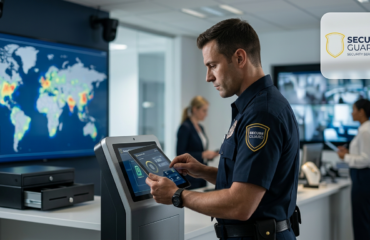
SecureTrack is our guard management and reporting platform designed to connect officers, supervisors, operations teams, and clients through one system. Depending on the security program, it can support patrol verification, incident reports, GPS tracking, scheduling, post orders, real-time alerts, timekeeping, and other operational functions.
The result is a security program that is easier to monitor, document, and manage.
What Is SecureTrack?
SecureTrack is a security guard management system used by Secure Guard to help organize and document field operations.
Instead of relying only on paper logs, phone calls, and end-of-shift updates, officers and supervisors can use digital tools to document activity as it occurs.
SecureTrack can support functions such as:
- GPS-supported officer tracking
- Patrol checkpoint verification
- Digital Daily Activity Reports
- Incident reports
- Photos and supporting documentation
- Real-time alerts
- Guard scheduling
- Clock-in and clock-out records
- Mobile-accessible post orders
- Supervisor oversight
- Client reporting and visibility
Learn more about the full SecureTrack Guard Management System.
1. SecureTrack Helps Verify Patrol Activity
A client should not have to assume that required patrols were completed.
SecureTrack can provide digital documentation of patrol activity through checkpoints and location-supported records. Officers assigned to patrol specific areas can scan designated checkpoints as they complete their rounds.
Depending on the site configuration, patrol checkpoints may be placed around locations such as:
- Building entrances
- Parking areas
- Loading docks
- Warehouse doors
- Equipment areas
- Property perimeters
- Mechanical rooms
- Restricted areas
- Emergency exits
This creates a digital record showing when designated areas were checked and gives supervisors greater visibility into patrol completion.
2. GPS Tracking Adds Another Layer of Accountability
Security supervisors need to understand where officers are operating, particularly on large properties, multi-building facilities, and mobile patrol assignments.
SecureTrack includes GPS-supported functionality that can help management monitor field activity and review location-related records.
This can be useful when verifying that officers are completing assigned patrol routes, responding to service requests, or moving between designated areas of a property.
Technology does not replace supervision, but it gives supervisors additional information they can use when reviewing officer performance.
3. Officers Can Create Digital Daily Activity Reports
Daily Activity Reports create a record of what happened during a security shift.
Depending on the assignment, officers may document:
- Patrol activity
- Access-control activity
- Visitors or deliveries
- Property-condition observations
- Open doors or gates
- Lighting problems
- Suspicious activity
- Parking concerns
- Client requests
- Actions taken by the officer
- Items requiring follow-up
Digital reporting makes these records easier for supervisors and authorized users to review compared with relying entirely on handwritten logs.
4. Incident Reports Can Be Submitted From the Field
When an important incident occurs, management needs accurate information as quickly as possible.
SecureTrack supports digital incident reporting so officers can document what occurred from the field.
Depending on the incident and service configuration, reports may contain:
- Date and time
- Location
- People involved
- What the officer observed
- Actions taken
- Who was notified
- Photographs
- Signatures
- Law-enforcement involvement
- Follow-up requirements
This information can then be reviewed by supervisors and operations personnel according to the site’s escalation procedures.
For more information about documentation standards, read our guide to security guard reporting and communication.
5. Real-Time Alerts Help Important Information Move Faster
Not every security issue should wait until the end of the shift.
SecureTrack can support real-time notifications when important activity requires attention. This allows field officers, supervisors, operations teams, and other authorized personnel to communicate more efficiently.
Depending on the property’s procedures, immediate notification may be appropriate for:
- Unauthorized access
- Serious disturbances
- Property damage
- Alarm activity
- Medical emergencies
- Open or damaged access points
- Suspicious persons or vehicles
- Safety hazards
- Incidents requiring supervisor assistance
Clear escalation procedures remain important. SecureTrack supports those procedures by helping information reach the appropriate people.
6. Post Orders Can Be Available to Officers in the Field
Every security property has different requirements.
An officer working at a distribution center may have completely different responsibilities from an officer assigned to an apartment community, construction site, healthcare facility, or corporate office.
SecureTrack can make site-specific post orders available to officers through mobile devices.
Post orders may explain:
- Required patrol routes
- Access-control procedures
- Emergency contacts
- Visitor procedures
- Opening and closing responsibilities
- Restricted areas
- Reporting expectations
- Escalation procedures
- Client-specific instructions
Giving officers access to current instructions helps keep security procedures connected to the actual needs of the property.
7. Guard Scheduling Helps Organize Security Coverage
Reliable security also depends on having the right officers assigned to the right posts at the right times.
SecureTrack includes scheduling functionality that can help management organize recurring and individual security shifts.
Centralized scheduling gives operations teams greater visibility into staffing and can make it easier to coordinate assignments, coverage, and schedule changes.
For clients with multiple posts or properties, organized scheduling becomes especially important because staffing requirements may differ by location, shift, day of the week, or operating schedule.
8. Digital Timekeeping Supports Attendance Verification
Officer attendance is one of the most basic elements of security accountability.
SecureTrack includes timekeeping functionality that can support clock-in and clock-out records and authorized work locations.
This helps management review whether officers are arriving for scheduled assignments and provides an additional operational record associated with each shift.
Attendance technology should work alongside active supervision and dispatch support rather than replacing them.
9. SecureTrack Gives Supervisors Better Visibility
Technology is most valuable when someone is actively reviewing the information it produces.
Secure Guard supervisors can use reporting, patrol records, incident documentation, attendance information, and other operational data when reviewing security assignments.
Supervisors may use this information to identify:
- Missed patrol requirements
- Reporting deficiencies
- Recurring property concerns
- Training needs
- Attendance issues
- Post-order compliance concerns
- Incidents requiring follow-up
This connects SecureTrack with the human supervision behind the security operation.
10. Clients Gain Greater Visibility Into Their Security Service
Property managers and facility leaders cannot be physically present during every security shift.
A reporting platform helps close that visibility gap.
Depending on the client’s service configuration, authorized users may be able to review relevant information about activity occurring at their properties.
This can include:
- Daily security activity
- Incident reports
- Patrol records
- Checkpoint activity
- Photos
- Security observations
- Supervisor information
- Follow-up items
Clients receive more than a security officer standing at a post. They receive information that helps them understand what occurred during the service period.
11. Reporting Data Can Reveal Recurring Security Problems
Individual reports document what happened during a specific shift. Reviewing security activity over time can reveal larger patterns.
For example, reports may show that:
- A particular gate is repeatedly left open.
- Trespassing occurs most often in one part of the property.
- Lighting problems continue along the same patrol route.
- Parking violations increase during certain hours.
- Unauthorized visitors repeatedly approach the same entrance.
- Delivery issues occur during specific shifts.
Once recurring problems are identified, management can determine whether patrol routes, staffing, access procedures, post orders, or other security measures should be adjusted.
12. SecureTrack Works With 24/7 Dispatch and Field Supervision
SecureTrack is one part of a larger security management process.
Secure Guard officers are also supported by dispatch, field supervision, operations personnel, and account management.
When an officer encounters an unusual situation, technology can help document and communicate the event, while the operations structure helps determine the appropriate response.
This combination of people, procedures, supervision, and technology creates a more managed approach than relying on an officer to operate independently.
Security Technology Should Support Officers, Not Replace Them
SecureTrack does not replace professional security officers.
Technology cannot independently evaluate every situation, communicate with a concerned tenant, de-escalate an argument, inspect a damaged gate, assist a visitor, or make a judgment based on changing conditions at a property.
Instead, SecureTrack supports the people performing those responsibilities.
The officer provides observation and judgment. The reporting platform provides documentation and visibility. Supervisors provide oversight. Dispatch provides operational support. Clients receive information about what is happening at their properties.
How SecureTrack Supports More Reliable Security Service
Reliable security requires consistency.
Officers need to arrive as scheduled, understand their responsibilities, complete required patrols, document incidents, communicate concerns, and follow established procedures.
SecureTrack gives Secure Guard additional tools to support those expectations by connecting:
- Officer attendance
- Patrol verification
- Daily reporting
- Incident documentation
- Post orders
- Scheduling
- Alerts
- Supervisor oversight
- Client visibility
This gives clients a clearer view of the security operation while giving our management team information that can be used to improve performance.
SecureTrack and Secure Guard Security Services
Secure Guard Security Services combines trained security officers with site-specific post orders, 24/7 dispatch support, active supervision, and connected reporting technology.
SecureTrack supports that model by helping officers document activity and helping supervisors and clients understand what is happening in the field.
The platform can support security programs involving armed and unarmed security officers, mobile patrol services, and other managed security operations.
Explore SecureTrack to learn more about the reporting and guard-management platform.
Request a security assessment to discuss how Secure Guard can combine officers, supervision, dispatch, reporting, and technology around your property.
Frequently Asked Questions About SecureTrack
What is SecureTrack?
SecureTrack is Secure Guard Security Services’ guard management and reporting platform. It supports functions such as patrol verification, digital reporting, incident documentation, GPS-supported tracking, scheduling, timekeeping, post orders, and security-operation visibility depending on the service configuration.
Can SecureTrack track security guard patrols?
Yes. SecureTrack supports patrol checkpoints and location-related records that can help document when officers complete designated patrol areas.
Can officers submit incident reports through SecureTrack?
Yes. Officers can use SecureTrack to create incident and activity reports and include supporting information such as photographs or signatures when appropriate.
Can clients see security reports?
Depending on the client’s service configuration and access permissions, authorized users can review relevant security activity and reporting information through the SecureTrack environment.
Does SecureTrack replace security supervisors?
No. SecureTrack provides information and reporting tools, while field supervisors and operations personnel remain responsible for reviewing performance, addressing concerns, supporting officers, and managing security assignments.
Does SecureTrack work with mobile patrol services?
SecureTrack can support mobile patrol operations through patrol documentation, checkpoints, GPS-supported information, reporting, and other management tools depending on the assignment.


Ashish Mishra
22 Apr 2019This is very useful article.Specially if you are looking for Best Security Agency In Mumbai then contact us
Best Security Agency In Mumbai