Security guards do much more than stand at an entrance or walk around a property. Their responsibilities can include access control, patrols, incident response, reporting, visitor assistance, de-escalation, emergency communication, and monitoring security systems.
However, the exact responsibilities of a security guard depend on the property, the client’s procedures, the officer’s training, and the site’s post orders.
For example, a warehouse guard may focus on truck access and perimeter patrols. Meanwhile, an officer at an office building may spend more time managing visitors and monitoring entrances.
Therefore, professional security should begin with clear responsibilities that match the property being protected.
What Are the Main Responsibilities of a Security Guard?
A security guard’s primary role is to help protect people, property, and assets while following the procedures established for the assignment.
Depending on the site, common responsibilities may include:
- Patrolling the property
- Monitoring entrances and exits
- Managing visitor access
- Observing suspicious activity
- Checking doors, gates, and restricted areas
- Responding to alarms and incidents
- Using de-escalation when appropriate
- Writing Daily Activity Reports
- Preparing incident reports
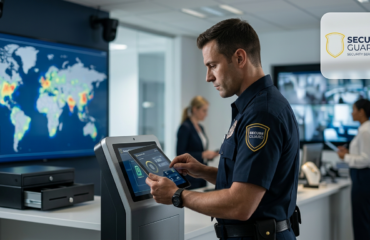
- Monitoring cameras and other approved security systems
- Communicating with dispatch and supervisors
- Following emergency procedures
- Helping visitors, employees, or residents
- Reporting safety and security concerns
Most importantly, officers should understand their responsibilities before beginning the assignment.
1. Conducting Security Patrols
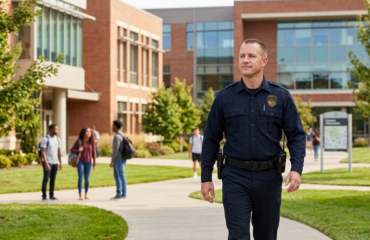
Patrolling is one of the most common security guard duties.
During a patrol, an officer may inspect designated parts of the property and look for unusual activity or changing conditions.
For example, patrols may include:
- Building entrances
- Parking lots
- Parking structures
- Loading docks
- Perimeter fencing
- Equipment areas
- Emergency exits
- Storage locations
- Restricted areas
- Common areas
In addition, guards may look for open doors, damaged locks, lighting problems, suspicious vehicles, unauthorized people, safety hazards, or other concerns.
Properties that need periodic coverage instead of a fixed officer may also use mobile patrol security services.
2. Monitoring Entrances and Controlling Access
Access control is another major responsibility.
Depending on the property, security officers may help control who enters and leaves the site.
Their duties may include:
- Checking employee credentials
- Confirming visitors
- Reviewing approved access lists
- Maintaining visitor logs
- Monitoring vehicle entrances
- Checking contractors and vendors
- Directing deliveries
- Protecting restricted areas
For this reason, guards need clear instructions about who may enter and when additional approval is required.
3. Following Site-Specific Post Orders
No two properties operate exactly the same way.
Therefore, security officers should work from site-specific post orders rather than relying only on general security experience.
Post orders may explain:
- Officer duties
- Patrol routes
- Patrol frequency
- Access procedures
- Restricted areas
- Emergency contacts
- Visitor procedures
- Incident-reporting requirements
- Opening and closing duties
- Client-specific rules
As a result, guards know what the client expects and how they should respond to common situations.
4. Observing and Reporting Suspicious Activity
A security officer needs strong observation skills.
For example, an officer may notice:
- A person attempting to enter a restricted area
- A vehicle repeatedly circling a property
- A damaged gate or fence
- An unsecured door
- Unusual activity after business hours
- An unattended item
- Someone attempting to avoid normal access procedures
However, officers should focus on observable behavior and facts rather than assumptions about people.
When something requires attention, the officer should follow the site’s reporting and escalation procedures.
5. Responding to Security Incidents
When an incident occurs, officers need a clear response process.
Depending on the situation, the officer may:
- Assess what is happening
- Protect people from immediate danger
- Contact dispatch
- Notify a supervisor
- Notify the client
- Control access to an affected area when safe
- Observe and communicate important details
- Contact emergency services when required
- Document the incident afterward
Security officers should act within their training, assignment instructions, company policies, and applicable law.
For a more detailed example, read our guide on how security guards respond to security breaches.
6. Using Communication and De-Escalation
Not every security problem requires physical intervention.
In fact, professional communication can often help prevent a disagreement from becoming more serious.
When appropriate, officers may use de-escalation skills such as:
- Speaking calmly
- Maintaining professional body language
- Listening before responding
- Keeping appropriate distance
- Avoiding unnecessary arguments
- Explaining property rules clearly
- Requesting additional help when needed
Most importantly, officers should understand their limits. If a situation becomes dangerous, they should follow emergency procedures and request the appropriate assistance.
7. Supporting Emergency Procedures
Security officers may also play an important role during emergencies.
For example, they may help during:
- Fire alarms
- Medical emergencies
- Power outages
- Severe weather
- Building evacuations
- Security alarms
- Major disturbances
- Vehicle accidents
However, an officer’s responsibilities depend on training and the property’s emergency procedures.
An officer should know who to contact, where emergency responders should enter, which areas require access control, and what information management needs.
8. Writing Daily Activity Reports
Security work needs documentation.
Daily Activity Reports create a record of what occurred during a shift.
Depending on the assignment, an officer may document:
- Patrol activity
- Visitor activity
- Deliveries
- Gate or access activity
- Property inspections
- Unusual observations
- Client requests
- Maintenance concerns
- Security incidents
- Items requiring follow-up
As a result, supervisors and clients receive more information about what happened during security coverage.
9. Preparing Detailed Incident Reports
A significant incident often requires more information than a routine daily report.
An incident report may document:
- Who was involved
- What happened
- Where it happened
- When it happened
- What the officer observed
- What actions the officer took
- Who received notification
- Whether emergency services responded
- Any property damage
- Follow-up that may be required
Good reports should be factual, clear, and easy for supervisors or clients to understand.
Learn more about security guard reporting and communication.
10. Monitoring Cameras and Security Systems
Many security officers work alongside cameras, alarms, access-control systems, and other security technology.
Depending on the assignment, an officer may:
- Monitor approved camera feeds
- Respond to alarm notifications
- Observe entrances and exits
- Review activity around restricted areas
- Report equipment problems
- Coordinate with field personnel
However, technology does not replace professional judgment. Instead, cameras and monitoring tools give officers additional information.
Properties that need broader camera coverage may also use video monitoring services alongside on-site security.
11. Identifying Safety and Property Concerns
Security guards often see parts of a property that other employees may not regularly inspect.
Therefore, officers may notice issues such as:
- Broken lighting
- Damaged fencing
- Open doors
- Blocked exits
- Water leaks
- Damaged gates
- Trip hazards
- Unusual equipment conditions
The guard may not be responsible for repairing these problems. However, reporting them gives management an opportunity to address the issue.
12. Helping Visitors, Employees, and Residents
Security officers often work directly with the public.
For this reason, customer service can be an important part of the job.
Depending on the site, officers may:
- Provide directions
- Help visitors find the correct entrance
- Explain access procedures
- Answer basic property questions
- Assist with lost-and-found issues
- Direct delivery drivers
- Help employees contact management
A professional officer should be approachable while still maintaining the property’s security procedures.
13. Communicating With Dispatch and Supervisors
Security officers should not work without operational support.
When something unusual occurs, officers may need to communicate with dispatch, field supervisors, account management, or client contacts.
For example, communication may be necessary when:
- An incident develops
- Police or emergency services are needed
- An officer needs additional support
- An access problem cannot be resolved
- A client representative needs notification
- A serious maintenance or safety concern appears
Secure Guard officers have access to a 24/7 Dispatch and Operations Center for field communication and escalation support.
14. Maintaining Professional Appearance and Conduct
A security guard represents both the security company and the client property.
Therefore, professionalism matters.
Officers should maintain:
- A clean and complete uniform
- Professional communication
- Alertness
- Respectful behavior
- Proper use of phones and personal devices
- Compliance with post orders
- Accurate reporting
Supervisors should also review these standards during field visits.
15. Protecting Confidential Information
Security officers may have access to information that should remain private.
For example, they may learn about:
- Employee schedules
- Access procedures
- Alarm information
- Incident details
- Building layouts
- Executive movements
- Client security procedures
Therefore, professional guards should protect confidential information and share it only with authorized people.
16. Supporting Patrol Verification and Accountability
Clients should have a way to confirm that required security activity takes place.
Secure Guard uses SecureTrack to support reporting, patrol verification, checkpoints, incident documentation, and operational visibility.
Depending on the service configuration, SecureTrack can document:
- Officer attendance
- Patrol checkpoints
- Daily Activity Reports
- Incident reports
- Photos
- Property observations
- Supervisor activity
As a result, security activity becomes easier to review and manage.
Security Guard Duties Vary by Property Type
Commercial Offices
Office security guards may focus on lobby access, visitor management, parking areas, employee entrances, and after-hours security.
Warehouses and Logistics Facilities
Warehouse officers may manage truck gates, driver logs, loading areas, trailer yards, perimeter patrols, and employee access.
Construction Sites
Construction security may include equipment protection, perimeter checks, contractor access, after-hours patrols, and incident reporting.
Residential Communities
Residential officers may manage visitors, patrol parking areas, monitor common areas, support residents, and respond to after-hours concerns.
Retail Properties
Retail guards may provide a visible security presence, monitor entrances, patrol parking areas, support loss-prevention procedures, and respond to disturbances.
Healthcare Facilities
Healthcare officers may focus on visitor procedures, restricted areas, de-escalation, parking security, staff assistance, and incident response.
Therefore, security guard responsibilities should match the environment rather than follow one universal job description.
What Is the Difference Between Armed and Unarmed Security Duties?
Many responsibilities apply to both armed and unarmed security officers.
For example, both may perform patrols, access control, reporting, visitor management, and incident response.
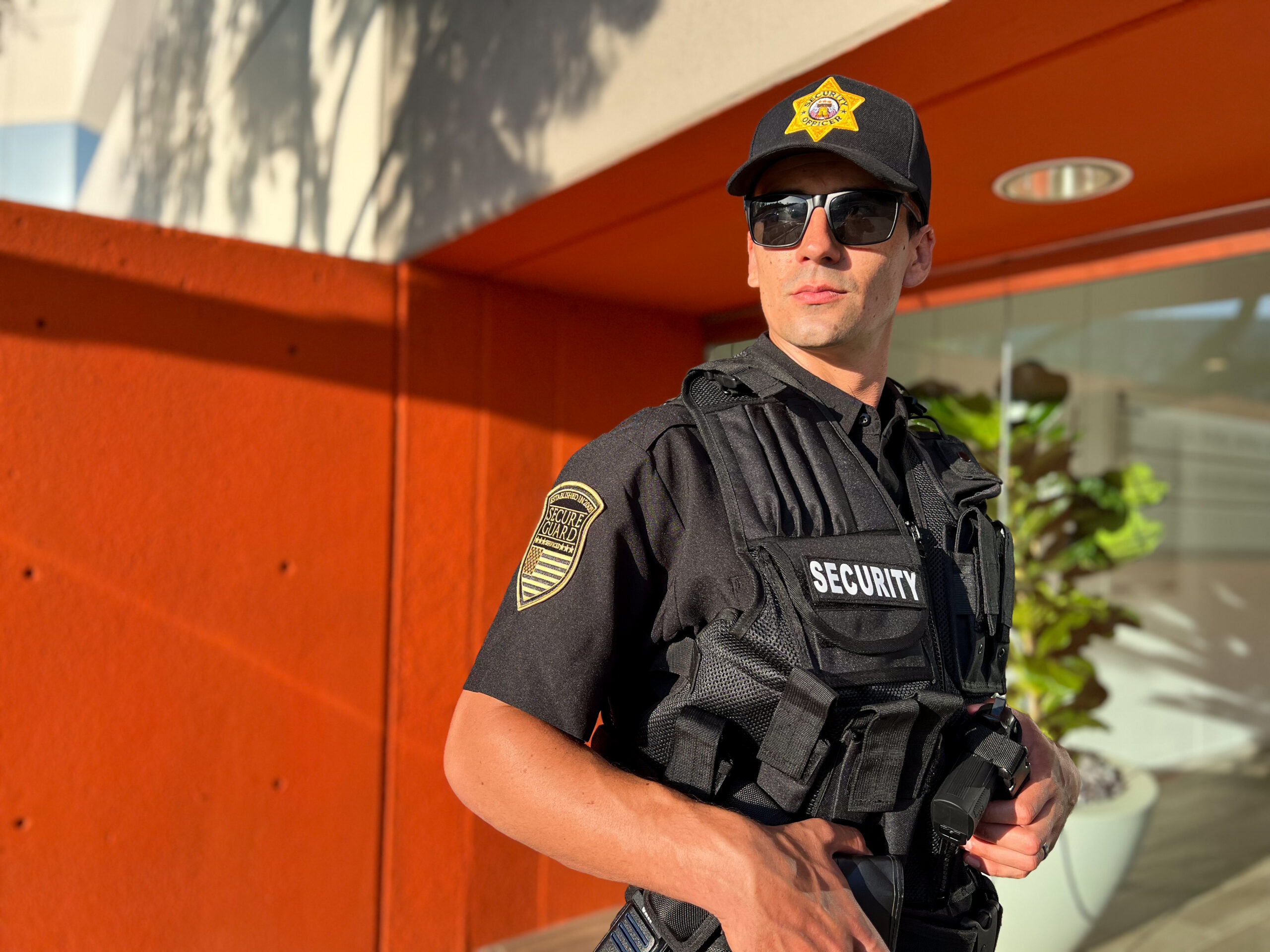
However, armed assignments require additional licensing, training, judgment, and procedures.
Secure Guard provides armed and unarmed security officer services based on each property’s risk level and operating requirements.
Security Guards Are Not Police Officers
Private security officers and law-enforcement officers have different roles.
Security guards primarily work to protect the property or people assigned to them and follow the procedures established for that security assignment.
Therefore, officers should understand when a situation requires police, fire, medical, or other public emergency services.
A professional security program should clearly define these escalation procedures before an incident occurs.
How Secure Guard Defines Officer Responsibilities
Secure Guard Security Services builds officer responsibilities around each property’s actual needs.
Before service begins, our team can review the site, access points, operating hours, previous incidents, patrol areas, visitor procedures, and security concerns.
Depending on the assignment, our security programs can include:
- Armed or unarmed officers
- Access control
- Foot patrols
- Mobile patrol
- Incident reporting
- SecureTrack patrol verification
- 24/7 dispatch support
- Field supervision
- Video monitoring
- Site-specific post orders
This approach gives officers clear responsibilities while giving clients greater visibility into the security operation.
Explore Secure Guard security services or request a security assessment to discuss officer responsibilities and coverage for your property.
Frequently Asked Questions About Security Guard Responsibilities
What are the main responsibilities of a security guard?
Common responsibilities include patrolling, access control, observing suspicious activity, incident response, visitor management, reporting, monitoring security systems, and following emergency procedures.
Do security guards write reports?
Yes. Security guards commonly prepare Daily Activity Reports and incident reports to document patrols, observations, incidents, actions, and information that may require follow-up.
Do security guards respond to emergencies?
Security guards may support emergency procedures by assessing conditions, communicating with dispatch or management, controlling access, helping direct responders, and contacting emergency services when required. Their exact duties depend on training and site procedures.
Do security guards have to patrol?
Many security assignments include patrol responsibilities. However, some officers remain at fixed posts such as lobbies, gates, control rooms, or entrances.
Can security guards check visitors?
Yes. When assigned that responsibility, guards can follow client procedures for visitor verification, sign-in, credentials, contractor access, vehicle access, and restricted areas.
Do security guards use cameras?
Some officers monitor approved surveillance systems as part of their duties. Others work alongside separate video monitoring personnel or systems.
What is the difference between a security guard and a police officer?
Security guards provide private security services for assigned people or property, while police officers perform public law-enforcement duties. Security guards should follow their training, company policies, post orders, and applicable law.
What makes a good security guard?
A professional security guard should be observant, reliable, calm, respectful, alert, able to communicate clearly, and willing to follow site-specific instructions and reporting procedures.