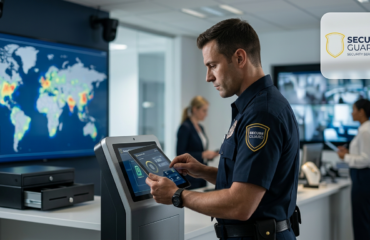
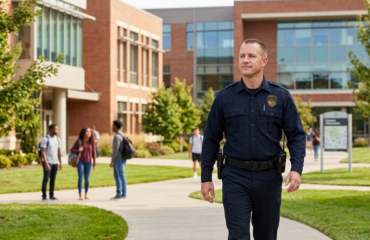
Los Angeles offices can include busy lobbies, employee entrances, parking structures, loading areas, executive suites, visitors, vendors, and after-hours activity. Because each property operates differently, effective office security services in Los Angeles should be built around the building’s actual layout, schedule, access points, and security concerns.
A professional office security program may combine lobby officers, visitor management, foot patrols, parking-area coverage, video monitoring, incident reporting, 24/7 dispatch support, and site-specific post orders.
Most importantly, office security should support daily business operations without making employees, tenants, or visitors feel unnecessarily restricted.
Why Los Angeles Offices Need a Site-Specific Security Plan
Office buildings can face several security concerns throughout the day and after normal business hours.
Depending on the property, these concerns may include:
- Unauthorized access
- Tailgating through controlled entrances
- Visitor-management problems
- Employee and tenant concerns
- Parking-structure incidents
- Theft or property damage
- After-hours trespassing
- Restricted-area access
- Workplace disturbances
- Delivery and contractor activity
- Emergency situations
Therefore, the security plan should reflect how the office actually operates instead of using the same coverage model for every property.
1. Start With an Office Security Assessment
Before deciding how many officers a property needs, review the building and its daily operations.
A security assessment may examine:
- Main lobby entrances
- Employee entrances
- Parking lots and structures
- Loading docks
- Visitor traffic
- Vendor and contractor access
- Executive areas
- Restricted rooms
- Existing cameras
- Access-control systems
- After-hours activity
- Previous security incidents
As a result, management can identify where fixed officers, patrols, monitoring, or other measures may provide the most useful coverage.
2. Manage Lobby and Visitor Access
The lobby is often the first security point in an office building.
Depending on the client’s procedures, an office security officer may:
- Greet visitors
- Verify appointments
- Review approved visitor lists
- Issue temporary credentials
- Maintain visitor logs
- Direct guests to the correct office
- Monitor employee entrances
- Report unauthorized-access attempts
However, officers need clear instructions. Site-specific post orders should explain who may enter, when identification is required, and when management approval is needed.
Secure Guard provides business park and commercial office security services for properties that need access control, patrols, reporting, and professional visitor interaction.
3. Reduce Tailgating and Unauthorized Entry
Access-control technology can help protect an office, but employees and visitors can still create gaps in the process.
For example, an unauthorized person may attempt to follow an employee through a controlled door without presenting credentials.
Security personnel can support existing access systems by:
- Observing controlled entrances
- Checking credentials when required
- Following visitor procedures
- Monitoring doors that should remain secured
- Reporting damaged access-control equipment
- Escalating repeated access problems
In addition, employees should understand that holding controlled doors open for unknown individuals can weaken the building’s access procedures.
4. Patrol Common Areas and Building Perimeters
A lobby officer cannot continuously observe every part of an office property.
Therefore, scheduled patrols can extend coverage throughout the building and exterior areas.
Patrol routes may include:
- Hallways
- Stairwells
- Emergency exits
- Parking structures
- Exterior walkways
- Loading docks
- Mechanical areas
- Employee entrances
- Building perimeters
- Common areas
During patrols, officers can look for open doors, damaged locks, lighting problems, suspicious activity, safety concerns, or other conditions that need attention.
5. Give Parking Structures Dedicated Security Attention
Parking areas can become one of the most difficult parts of an office property to monitor.
Employees may arrive before sunrise or leave late at night. In addition, parking structures can include multiple levels, stairwells, elevators, blind spots, and low-traffic areas.
Security patrols can help monitor:
- Unauthorized vehicles
- Suspicious activity
- Vehicle damage
- Lighting problems
- Blocked access points
- Loitering
- Pedestrian activity
- Emergency exits
Larger office campuses can also use mobile patrol security to cover parking lots, garages, perimeters, and multiple buildings.
6. Manage Contractors, Vendors, and Deliveries
Office properties often receive cleaners, maintenance contractors, delivery drivers, vendors, and other temporary visitors.
Therefore, management should establish clear procedures for temporary access.
Depending on the building, security officers may:
- Confirm scheduled contractors
- Check approved access lists
- Maintain vendor logs
- Direct deliveries
- Issue temporary credentials
- Restrict access to employee-only areas
- Document unusual activity
Clear procedures make access easier to manage while still allowing normal business operations to continue.
7. Include Workplace Violence Procedures
Office security should also support the employer’s workplace-violence prevention procedures.
California Labor Code section 6401.9 requires many covered employers to establish, implement, and maintain a written Workplace Violence Prevention Plan. The requirements have been enforceable since July 1, 2024.
The plan includes areas such as employee reporting, workplace violence hazards, training, emergency response, incident documentation, and post-incident review.
Employers can review current requirements through the Cal/OSHA Workplace Violence Prevention for General Industry resource.
A contracted security company does not replace the employer’s legal responsibilities. However, security personnel can support the company’s established plan through observation, access control, communication, incident response, documentation, and approved escalation procedures.
8. Train Officers to Use De-Escalation
Not every workplace concern requires physical intervention.
In many cases, calm communication can help keep a disagreement from becoming more serious.
Depending on the situation, officers may use techniques such as:
- Speaking calmly
- Listening before responding
- Maintaining professional body language
- Explaining property rules clearly
- Keeping appropriate distance
- Avoiding unnecessary arguments
- Calling for additional assistance when needed
Most importantly, officers should understand when a situation requires management, a supervisor, law enforcement, or emergency medical personnel.
9. Use Video Monitoring to Extend Visibility
Cameras can help security teams observe more of a property than one officer can watch at the same time.
Depending on the office, cameras may cover:
- Main entrances
- Parking structures
- Loading areas
- Exterior walkways
- Elevator lobbies
- Other approved common areas
However, cameras work best when the property has a clear response process.
If monitoring personnel identify suspicious activity, they should know who to contact and what response the client has approved.
Secure Guard can combine on-site officers with video monitoring services when a property needs broader visibility.
10. Prepare for After-Hours Office Security
An office building can operate very differently after normal business hours.
Fewer employees may be present, some entrances may close, and cleaning or maintenance crews may become the primary occupants.
Therefore, after-hours procedures may include:
- Reduced access points
- Employee credential checks
- Contractor verification
- Parking-area patrols
- Exterior inspections
- Door and gate checks
- Alarm procedures
- Randomized patrols
In addition, management should make sure officers know which employees or vendors are expected to remain in the building after hours.
11. Prepare for Emergencies Before They Happen
Office security officers should know their responsibilities before an emergency occurs.
Site procedures may address:
- Fire alarms
- Medical emergencies
- Power outages
- Elevator problems
- Security alarms
- Workplace disturbances
- Suspicious persons
- Building evacuations
- Severe weather
Security officers should also know where emergency responders should enter and which property contacts need immediate notification.
12. Document Daily Security Activity
A property manager should not have to guess what occurred during a security shift.
Therefore, professional office security should include consistent reporting.
Depending on the assignment, officers may document:
- Patrol activity
- Visitor activity
- Deliveries
- Contractor access
- Door and gate checks
- Parking observations
- Suspicious activity
- Property concerns
- Incidents
- Items requiring follow-up
Clear reporting creates a record that management and supervisors can review.
13. Use SecureTrack for Reporting and Accountability
Secure Guard uses SecureTrack to support officer reporting and field accountability.
Depending on the service configuration, SecureTrack can help document:
- Officer attendance
- Patrol checkpoints
- Daily Activity Reports
- Incident reports
- Photos
- Security observations
- Supervisor activity
As a result, authorized clients can gain greater visibility into the security activity taking place at their office property.
14. Support Officers With 24/7 Dispatch
Security officers should not operate without a clear communication structure.
When a concern develops, officers may need help from dispatch, field supervisors, account management, or client contacts.
Depending on the situation, dispatch can help:
- Receive officer updates
- Contact field supervisors
- Coordinate additional security support
- Notify approved client contacts
- Support incident escalation
- Document important communications
Secure Guard supports field personnel through a 24/7 Dispatch and Operations Center.
15. Use Field Supervision to Maintain Service Standards
Technology and reporting are important. However, active supervision remains essential.
Field supervisors can review:
- Officer appearance
- Post-order compliance
- Patrol completion
- Reporting quality
- Attendance
- Client concerns
- Training needs
In addition, supervisor visits give the operations team an opportunity to identify problems before they become recurring service issues.
Office Security for High-Rise Buildings
High-rise office properties can have additional security needs because many employees, tenants, visitors, elevators, parking levels, loading areas, and emergency routes may operate within one building.
Security coverage may focus on:
- Lobby access
- Visitor badging
- Elevator access procedures
- Parking structures
- Loading docks
- Common areas
- After-hours access
- Emergency communication
Learn more about high-rise security services.
Armed or Unarmed Security for an Office?
Most office properties do not automatically require armed security.
In many commercial offices, unarmed officers can provide lobby coverage, access control, customer service, patrols, incident reporting, and de-escalation.
However, higher-risk properties may consider armed coverage when the site’s risk assessment and operating conditions support it.
Secure Guard provides armed and unarmed security officers based on each property’s requirements.
What Should Los Angeles Office Managers Look for in a Security Company?
Before selecting a provider, ask how the company will manage the full security operation.
Useful questions include:
- Will you complete a site assessment?
- How are officers selected for office environments?
- How will visitors and contractors be handled?
- Will you create site-specific post orders?
- How are patrols verified?
- What reports will management receive?
- How are officers supervised?
- Is dispatch available 24/7?
- How are officer call-offs handled?
- Can the security plan change as our needs change?
The provider should explain the operation behind the security officer, not simply quote an hourly rate.
How Secure Guard Supports Los Angeles Offices
Secure Guard Security Services develops office security programs around each property’s layout, operating hours, visitor activity, access points, parking areas, and security concerns.
Depending on the site, coverage can include:
- Lobby security officers
- Visitor management
- Employee access control
- Foot patrols
- Parking-area patrols
- Mobile patrol
- Video monitoring
- Incident reporting
- SecureTrack reporting
- 24/7 dispatch support
- Field supervision
- Site-specific post orders
Secure Guard also provides broader security guard services throughout Los Angeles County for commercial buildings, business parks, high-rise properties, warehouses, retail centers, residential communities, and other properties.
Build an Office Security Plan Around Your Workplace
The right office security program should match the way your workplace actually operates.
Start by reviewing entrances, visitor traffic, parking areas, employee schedules, restricted spaces, previous incidents, existing cameras, and after-hours activity.
Then, determine where security officers, patrols, monitoring, reporting, or other measures can provide the most useful coverage.
Request an office security assessment to discuss security coverage for your Los Angeles workplace.
Frequently Asked Questions About Office Security Services
What do office security guards do?
Office security guards may manage visitors, monitor entrances, patrol common areas, check parking structures, document incidents, support emergency procedures, and follow site-specific access rules.
Do office buildings need security guards?
Not every office needs the same security coverage. Building size, visitor activity, operating hours, parking areas, tenant population, previous incidents, and existing security systems should guide the decision.
Can office security guards manage visitors?
Yes. When assigned that responsibility, officers can verify appointments, check approved visitor lists, issue temporary credentials, maintain logs, and direct visitors according to building procedures.
Can office security cover parking garages?
Yes. Security programs can include foot or mobile patrols of parking lots, garages, stairwells, entrances, and other exterior areas.
Should an office use armed or unarmed security?
The decision should come from a site-specific risk assessment. Many office properties use professional unarmed officers, while higher-risk environments may consider armed coverage.
Can security guards support workplace violence prevention?
Security personnel can support an employer’s workplace violence prevention procedures through access control, observation, communication, incident response, reporting, and approved escalation procedures. However, the employer remains responsible for meeting applicable workplace-safety requirements.
What is SecureTrack?
SecureTrack is Secure Guard’s guard management and reporting system. Depending on the service configuration, it can support patrol verification, officer activity reporting, incident reports, checkpoints, photos, and management visibility.
Can office security include video monitoring?
Yes. Video monitoring can supplement on-site officers by providing wider visibility across approved areas. The security plan should also define how suspicious activity is verified and escalated.