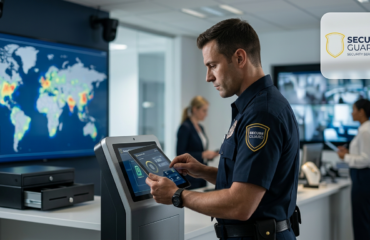
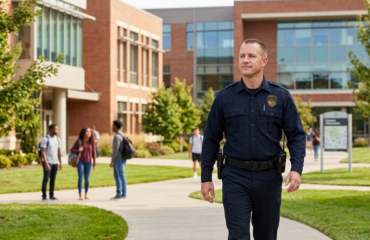
Reliable security guards do more than arrive in uniform and remain visible at a property. Reliability comes from consistent attendance, clear communication, site knowledge, professional conduct, accurate reporting, patrol accountability, and support from the security company behind the officer.
For that reason, property managers should evaluate more than appearance when choosing security personnel. A reliable officer should understand the assignment, follow post orders, document important activity, communicate concerns, and know when to involve supervisors, dispatch, management, or emergency services.
At the same time, even a strong officer needs the right operational support. Scheduling, supervision, training, reporting tools, replacement staffing, and 24/7 communication all affect the quality of the service.
This guide explains what clients should expect from reliable security guards and how a professional security program helps officers perform consistently.
What Makes a Security Guard Reliable?
Reliability is not one skill. Instead, it comes from several parts of the security operation working together.
A reliable security guard should generally demonstrate:
- Current licensing and required training
- Consistent attendance
- Knowledge of site-specific post orders
- Professional communication
- Strong observation skills
- Accurate incident and activity reporting
- Consistent patrol completion
- Good judgment
- Professional appearance
- Appropriate de-escalation
- Clear communication with supervisors and dispatch
- Respect for client procedures and confidential information
Most importantly, the officer should perform these responsibilities consistently instead of only when management is present.
1. Verify Licensing and Required Training
Reliable security begins with properly qualified personnel.
In California, the Bureau of Security and Investigative Services regulates Security Guard Registrations. Applicants must meet age requirements, complete a criminal-history background check, and complete required Power to Arrest training.
In addition, registered guards must complete 32 hours of security officer skills training within the first six months of registration and eight hours of continuing training each year. Property managers can review current requirements through the California BSIS Security Guard Registration Fact Sheet.
Therefore, clients should expect a professional security company to verify required credentials before assigning officers.
2. Reliable Guards Arrive for Their Assigned Shifts
Attendance is one of the most basic measures of security reliability.
An officer cannot protect an entrance, conduct patrols, or complete required reports if the post is uncovered.
For this reason, the security provider should have a process for:
- Confirming scheduled shifts
- Tracking officer arrival
- Recording clock-in and clock-out activity
- Responding to late arrivals
- Managing officer call-offs
- Finding replacement personnel
- Notifying the client when coverage changes
A reliable program should not depend on one individual officer always being available.
3. Officers Should Understand the Property
A licensed guard still needs site-specific knowledge.
For example, an officer working at a warehouse may need to understand truck gates, loading docks, driver procedures, trailer yards, and restricted areas. Meanwhile, an office-building officer may focus on visitors, lobby access, employee entrances, and parking.
Therefore, officers should receive instructions that match the assignment.
Site training may include:
- Property layout
- Main entrances and exits
- Restricted areas
- Patrol routes
- Visitor procedures
- Emergency contacts
- Client notification procedures
- Reporting expectations
- Existing cameras and access systems
- Known security concerns
As a result, officers can make better decisions because they understand how the property operates.
4. Site-Specific Post Orders Create Consistency
Post orders give security officers written instructions for the property.
Depending on the assignment, they may define:
- Officer duties
- Patrol frequency
- Access-control procedures
- Visitor rules
- Restricted locations
- Emergency contacts
- Incident-reporting requirements
- Opening and closing procedures
- Escalation procedures
- Client-specific expectations
Without clear post orders, different officers may handle the same situation in different ways.
Therefore, reliable security service should include clear instructions and a process for updating them when the property changes.
5. Professional Communication Matters
Security guards regularly interact with employees, tenants, residents, customers, visitors, vendors, and contractors.
For that reason, communication skills can be just as important as physical presence.
A professional officer should be able to:
- Speak clearly and respectfully
- Explain property procedures
- Give directions
- Listen to concerns
- Communicate important information to management
- Remain calm during difficult interactions
- Contact supervisors when additional help is needed
At the same time, the officer should enforce approved security procedures consistently rather than changing the rules from one visitor to another.
6. Reliable Guards Observe Before They Act
Observation is a major part of professional security work.
For example, an officer may notice:
- An open gate
- A damaged lock
- An unauthorized person
- A suspicious vehicle
- Lighting that has stopped working
- A blocked emergency exit
- Unusual activity after hours
- Property damage
However, reliable security officers should focus on observable facts instead of assumptions.
When an issue requires attention, the officer should follow the property’s procedures and communicate what was actually observed.
7. De-Escalation Should Come Before Unnecessary Confrontation
Not every disagreement requires physical intervention.
In many situations, calm communication can help prevent a problem from becoming more serious.
Depending on the circumstances, officers may use techniques such as:
- Speaking calmly
- Listening before responding
- Maintaining professional body language
- Keeping appropriate distance
- Clearly explaining property rules
- Avoiding unnecessary arguments
- Requesting additional assistance when needed
Most importantly, reliable officers should understand the limits of their role.
When a situation requires law enforcement, medical personnel, management, or another authority, the officer should follow the approved escalation process.
8. Security Activity Should Be Documented
A client should not have to guess what happened during a security shift.
Therefore, reliable guards should complete required documentation.
Depending on the property, this may include:
- Daily Activity Reports
- Incident reports
- Patrol logs
- Visitor logs
- Vehicle logs
- Photos
- Checkpoint activity
- Property-condition observations
- Items requiring follow-up
Good reports should be factual, clear, and easy for supervisors or clients to understand.
In addition, reports can help identify recurring security problems over time.
9. Patrols Should Be Verifiable
If an officer is assigned to patrol a property, clients should have a way to confirm that required patrols occur.
Secure Guard uses SecureTrack to support patrol verification and reporting.
Depending on the service configuration, SecureTrack can document:
- Officer attendance
- GPS-supported patrol activity
- Security checkpoints
- Patrol timestamps
- Daily Activity Reports
- Incident reports
- Photos
- Security observations
As a result, security activity becomes easier for supervisors and authorized clients to review.
10. Reliable Guards Need Active Supervision
Even qualified officers need management support.
Field supervisors can review:
- Officer attendance
- Uniform and appearance
- Professional conduct
- Post-order compliance
- Patrol completion
- Reporting quality
- Training needs
- Client concerns
In addition, supervisor visits help identify performance problems before they become recurring service issues.
A security company should be able to explain who supervises the officers after service begins.
11. Officers Need 24/7 Operational Support
Security incidents can occur during nights, weekends, holidays, and other periods when normal management staff may not be present.
Therefore, officers need a clear way to reach operational support.
Secure Guard’s field personnel are supported through a 24/7 Dispatch and Operations Center.
Depending on the situation, dispatch can help:
- Receive officer updates
- Contact field supervisors
- Notify approved client contacts
- Coordinate additional personnel
- Support incident escalation
- Document important communications
This gives officers a defined support structure instead of requiring them to handle unusual situations alone.
12. Reliable Security Requires Replacement Staffing
Even dependable officers can become sick or unavailable.
Therefore, the reliability of a security company also depends on what happens when the regularly assigned officer cannot work.
Before hiring a provider, ask:
- Who receives call-offs?
- How quickly does replacement staffing begin?
- How does the replacement officer receive post orders?
- Who informs the client?
- Can a supervisor temporarily support the site?
- How does the company prevent repeated uncovered posts?
This is especially important for gate posts, warehouses, healthcare facilities, residential communities, and properties requiring continuous coverage.
13. The Right Officer Type Depends on the Risk
Reliability does not mean every officer needs to be armed.
For many properties, professional unarmed officers can provide:
- Access control
- Visitor management
- Foot patrols
- Parking-area coverage
- Incident reporting
- Customer service
- De-escalation
On the other hand, higher-risk properties may evaluate armed coverage after reviewing the operating environment, previous incidents, assets, client policies, and applicable requirements.
Secure Guard provides armed and unarmed security officers based on each property’s requirements.
14. Technology Should Support Guards, Not Replace Good Security Work
Technology can improve accountability and visibility. However, it should support professional officers rather than replace training, supervision, and judgment.
Depending on the property, security technology may support:
- Patrol verification
- GPS-supported activity
- Incident reporting
- Video monitoring
- Checkpoint tracking
- Attendance records
- Photos and documentation
For example, SecureTrack can record patrol activity while a field supervisor reviews officer performance.
Similarly, video monitoring can provide additional visibility while an on-site officer or mobile patrol provides a physical response when appropriate.
15. Reliable Security Should Adapt When the Property Changes
A security plan should not remain unchanged forever.
For example, a property may:
- Add a new entrance
- Change operating hours
- Open a new parking area
- Add tenants
- Experience repeated security incidents
- Change delivery procedures
- Begin construction
- Add new cameras or access systems
When these changes occur, the security provider should review patrol routes, post orders, staffing, reporting requirements, and supporting services.
As a result, the security plan stays connected to the property’s current needs.
Reliable Security Guards for Different Property Types
Reliability can look different depending on the assignment.
Commercial Offices
A reliable office security officer may focus on lobby access, visitor procedures, employee entrances, parking, after-hours activity, and professional customer service.
Warehouses and Logistics Facilities
Warehouse officers may manage truck gates, drivers, loading areas, parking lots, trailer yards, employee access, and perimeter patrols.
Construction Sites
Construction security may focus on equipment, materials, gates, fencing, contractor access, after-hours patrols, and changing site conditions.
Residential Communities
Residential security personnel may manage visitors, gates, parking areas, common spaces, patrols, resident concerns, and after-hours incidents.
Retail Properties
Retail officers may provide visible coverage, patrol parking areas, assist customers, observe suspicious activity, and document incidents.
Healthcare Facilities
Healthcare officers may focus on entrances, visitor procedures, parking areas, de-escalation, restricted locations, incident reporting, and support for facility staff.
Hotels
Hotel security may include lobby coverage, guest areas, parking patrols, event support, after-hours activity, and incident response.
Red Flags That May Indicate Unreliable Security Service
Clients should also know what poor security service can look like.
Potential warning signs include:
- Repeated late arrivals
- Uncovered shifts
- Officers who do not know the post orders
- Incomplete reports
- Missed patrols
- Poor communication
- No field supervision
- No clear replacement process
- No after-hours support
- Repeated client concerns without follow-up
One isolated issue does not always mean the entire service is unreliable. However, repeated problems should lead to a management review and corrective action.
Questions to Ask About Security Guard Reliability
Before hiring a security company, ask how it maintains consistent service.
- How do you verify officer licenses?
- How do you track attendance?
- How do officers receive site-specific training?
- Will you create written post orders?
- How do you verify patrols?
- What reports will we receive?
- How often do field supervisors visit?
- What happens when an officer calls off?
- Is dispatch available 24/7?
- How are client complaints handled?
- Can coverage change when our property changes?
The answers should explain the operation behind the officer rather than rely on vague promises about reliability.
How Secure Guard Supports Reliable Officer Performance
Secure Guard Security Services has provided professional security services since 2005. Our security programs are built around each client’s property, operating schedule, risks, access points, and service expectations.
Depending on the assignment, our operating structure can include:
- Armed and unarmed security officers
- Site-specific post orders
- Foot patrols
- Mobile patrol
- SecureTrack reporting
- Patrol checkpoints
- Video monitoring
- 24/7 dispatch support
- Field supervision
- Incident reporting
- Replacement staffing support
Most importantly, reliable security comes from the complete operation behind the officer, not from one person standing at a post.
Explore Secure Guard security services or request a security assessment to discuss reliable security coverage for your property.
Frequently Asked Questions About Reliable Security Guards
What makes a security guard reliable?
A reliable security guard arrives as scheduled, understands the post orders, completes required patrols, communicates professionally, documents activity accurately, follows client procedures, and asks for support when a situation requires escalation.
How can clients verify security guard patrols?
Depending on the security program, digital systems can record patrol checkpoints, GPS-supported activity, timestamps, photos, and incident reports. Secure Guard uses SecureTrack to support these functions.
What happens if a security guard calls off?
A professional security company should have a replacement staffing process. The provider should explain how call-offs are reported, how replacements receive site instructions, and how the client receives notification.
Do reliable guards need supervision?
Yes. Even qualified officers benefit from field supervision, management support, performance reviews, and clear procedures. Supervision also helps maintain consistent service standards.
Should reliable security guards be armed?
Not automatically. Armed or unarmed coverage should depend on the property’s risk assessment, operating environment, assets, previous incidents, client requirements, and applicable regulations.
Do security guards need continuing training in California?
Yes. California BSIS requires registered security guards to complete required security officer skills training and eight hours of continuing training each year.
Can security guards work with video monitoring?
Yes. Video monitoring can provide additional visibility while on-site or mobile security personnel provide a physical response according to the property’s procedures.
What is SecureTrack?
SecureTrack is Secure Guard’s guard-management and reporting platform. Depending on the service configuration, it can support attendance, patrol verification, incident reports, activity reports, checkpoints, photos, post orders, and client visibility.