Choosing a Los Angeles security guard company involves more than comparing hourly rates. The provider you select will assign officers to your property, manage schedules, create site procedures, respond to incidents, document activity, and support your team when security concerns arise.
For that reason, a professional Los Angeles security guard company should be able to explain the entire operation behind the officer. That includes site assessments, post orders, staffing, supervision, patrol verification, reporting, replacement coverage, dispatch support, and communication with the client.
Secure Guard Security Services provides security programs throughout Los Angeles County for commercial buildings, high-rise properties, apartment communities, warehouses, construction sites, healthcare facilities, hotels, retail centers, industrial properties, and events.
Most importantly, the security plan should match the property instead of forcing every client into the same service model.
What Should a Los Angeles Security Guard Company Provide?
A professional security provider should offer more than a guard standing at a post.
Depending on the property, the security program may include:
- On-site security officers
- Armed or unarmed coverage
- Access control
- Visitor management
- Foot patrols
- Mobile patrol
- Parking-area security
- Video monitoring
- Incident reporting
- Patrol verification
- Site-specific post orders
- 24/7 dispatch support
- Field supervision
- Client communication
In addition, these services should work together under one clear operating plan.
1. Start With a Site Security Assessment
Before recommending guards or patrols, the security company should review the property.
A site assessment may consider:
- Property size and layout
- Operating hours
- Main entrances and exits
- Employee entrances
- Parking areas
- Visitor activity
- Vendor and contractor access
- Delivery schedules
- Restricted areas
- Existing cameras and alarms
- Previous security incidents
- After-hours activity
As a result, the provider can recommend coverage based on actual conditions instead of using generic staffing.
For example, a warehouse with truck traffic may need gate coverage and perimeter patrols. Meanwhile, an office building may need lobby security, visitor management, and parking patrols.
2. Create Site-Specific Post Orders
Officers need clear written instructions before they begin working independently.
Post orders may define:
- Officer responsibilities
- Patrol routes
- Patrol frequency
- Visitor procedures
- Access-control rules
- Restricted areas
- Emergency contacts
- Incident-reporting requirements
- Opening and closing procedures
- Client notification procedures
Without clear post orders, two officers may handle the same situation in different ways.
Therefore, a professional security company should create and maintain property-specific instructions.
3. Match Officers to the Assignment
Not every security officer is the right fit for every property.
For example, a lobby officer may need strong visitor-management and customer-service skills. On the other hand, a warehouse gate officer may need experience with truck logs, delivery procedures, loading areas, and contractor access.
Depending on the assignment, officers may need experience with:
- Commercial offices
- High-rise properties
- Warehouses and logistics facilities
- Construction sites
- Residential communities
- Healthcare facilities
- Retail properties
- Hotels
- Events
- Industrial properties
Most importantly, the provider should explain how officers are selected for the client’s environment.
4. Verify California Guard Requirements
Clients should also confirm that assigned personnel meet applicable California security requirements.
The California Bureau of Security and Investigative Services regulates Security Guard Registrations. Current requirements include minimum age standards, DOJ and FBI criminal-history background checks, Power to Arrest training, additional security-officer skills training, and annual continuing training.
You can review the current requirements through the California BSIS Security Guard Registration Fact Sheet.
Therefore, property managers should ask how the security company verifies officer credentials and required training before personnel are assigned.
5. Choose Armed or Unarmed Security Based on Risk
Not every Los Angeles property needs armed guards.
For many assignments, professional unarmed officers can provide:
- Access control
- Visitor management
- Foot patrols
- Parking coverage
- Incident reporting
- Customer service
- De-escalation
However, some higher-risk sites may consider armed coverage after reviewing the property’s risk assessment, operating environment, assets, previous incidents, client requirements, and applicable rules.
Secure Guard provides armed and unarmed security officers based on each property’s requirements.
6. Use On-Site Officers Where Continuous Coverage Is Needed
Some properties need a security officer present throughout the shift.
Depending on the assignment, on-site officers may:
- Monitor entrances
- Verify visitors
- Manage vehicle access
- Conduct foot patrols
- Observe suspicious activity
- Monitor restricted areas
- Document incidents
- Assist employees or visitors
- Communicate with dispatch
- Follow approved emergency procedures
A fixed officer can be especially useful at gates, lobbies, reception areas, loading entrances, and other locations that require continuous attention.
7. Add Mobile Patrol for Wider Coverage
Not every part of a property needs a standing officer.
For example, a business may keep an officer at the main entrance while using mobile patrol for parking areas, secondary buildings, gates, loading zones, and the property perimeter.
Mobile patrol may include:
- Scheduled patrols
- Randomized patrols
- Parking-area checks
- Perimeter inspections
- Door and gate checks
- Alarm response
- Lock and unlock services
- Documented property checks
As a result, the security program can cover more of the property without assigning a fixed officer to every location.
8. Use Access Control to Manage Property Entry
Many security issues begin at an entrance.
Therefore, the client should establish clear procedures for employees, visitors, contractors, vendors, and delivery drivers.
Depending on the site, security officers may help:
- Verify employee credentials
- Confirm appointments
- Review approved access lists
- Maintain visitor logs
- Monitor vehicle entrances
- Verify contractors
- Direct deliveries
- Protect restricted areas
However, officers should follow the client’s approved rules rather than create their own access requirements.
9. Extend Coverage With Video Monitoring
Cameras can provide visibility across areas that officers cannot continuously observe.
Depending on the property, approved camera coverage may include:
- Entrances
- Parking areas
- Loading zones
- Perimeters
- Equipment areas
- Other high-priority locations
However, cameras are most useful when the property has a clear response process.
For example, monitoring personnel may identify unusual activity, review the event, notify dispatch, and coordinate with an on-site officer or mobile patrol unit when appropriate.
Secure Guard can combine personnel with video monitoring services when a property needs broader visibility.
10. Require Daily and Incident Reporting
A client should know what happened during each security shift.
Therefore, professional security service should include clear documentation.
Depending on the assignment, reports may include:
- Daily Activity Reports
- Incident reports
- Patrol activity
- Visitor logs
- Vehicle logs
- Checkpoint records
- Photos
- Property-condition observations
- Items requiring follow-up
Consistent reporting gives management a record of security activity instead of relying only on verbal updates.
In addition, reports can help identify recurring concerns over time.
11. Use SecureTrack for Accountability
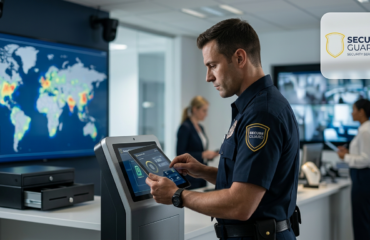
Secure Guard uses SecureTrack to support field reporting, patrol verification, and security-management visibility.
Depending on the service configuration, SecureTrack can support:
- Officer attendance
- GPS-supported patrol activity
- Security checkpoints
- Daily Activity Reports
- Incident reports
- Photos and supporting documentation
- Post-order access
- Supervisor visibility
As a result, authorized clients can gain a clearer understanding of the security activity taking place at their property.
12. Provide 24/7 Dispatch Support
Security incidents can occur during nights, weekends, holidays, and other periods when client management may not be on site.
For this reason, officers need an established communication channel.
Secure Guard field personnel are supported through a 24/7 Dispatch and Operations Center.
Depending on the situation, dispatch can help:
- Receive officer updates
- Contact field supervisors
- Notify approved client contacts
- Coordinate additional personnel
- Support incident escalation
- Document important communications
This keeps field officers connected to a larger security operation.
13. Use Active Field Supervision
Technology can improve accountability. However, professional security still requires human supervision.
Field supervisors can review:
- Officer attendance
- Professional appearance
- Post-order compliance
- Patrol completion
- Reporting quality
- Client concerns
- Training needs
In addition, supervisor visits allow the operations team to correct performance problems before they become recurring issues.
14. Plan for Officer Call-Offs
Even dependable officers can become sick or unavailable.
Therefore, the security company should have a clear replacement staffing process.
Before hiring a provider, ask:
- Who receives officer call-offs?
- How quickly does replacement staffing begin?
- How does the replacement officer receive site instructions?
- Who notifies the client?
- Can a supervisor temporarily support the post?
This becomes especially important at gates, warehouses, healthcare facilities, residential communities, and other properties that require continuous coverage.
Security Services for Los Angeles Property Types
Different Los Angeles properties require different security programs.
Commercial Offices
Office security may include lobby coverage, visitor management, employee entrances, parking areas, after-hours patrols, and incident reporting.
High-Rise Buildings
High-rise security may focus on lobbies, elevators, parking garages, loading areas, visitor procedures, common spaces, and restricted floors.
Warehouses and Logistics Facilities
Warehouse security may include gate coverage, truck and driver procedures, loading areas, trailer yards, parking patrols, and perimeter checks.
Construction Sites
Construction security may focus on equipment, materials, fencing, access points, contractor activity, after-hours patrols, and video monitoring.
Apartment Communities and HOAs
Residential security may include visitor procedures, parking patrols, common areas, gates, resident assistance, and after-hours coverage.
Healthcare Facilities
Healthcare security may include entrances, visitor procedures, parking areas, restricted locations, de-escalation, patrols, and incident reporting.
Retail Properties
Retail officers may provide visible coverage, parking patrols, customer assistance, suspicious-activity observation, and incident documentation.
Hotels
Hotel security may focus on lobbies, guest areas, parking, events, overnight activity, and staff support.
Events
Event security may include entrance procedures, credential checks, crowd observation, restricted areas, parking, traffic control, and incident response.
What to Look for in a Los Angeles Security Guard Company
Before choosing a provider, ask how the company manages the operation behind the officer.
- Will you inspect the property before recommending coverage?
- How do you select officers?
- Will you create site-specific post orders?
- How do you verify licenses and required training?
- How are guards supervised?
- How do you verify patrols?
- What reports will the client receive?
- What happens when an officer calls off?
- Is dispatch available 24/7?
- Can you provide mobile patrol?
- Can you provide video monitoring?
- Can the security plan change when the property changes?
The provider should answer these questions clearly rather than relying on vague promises about safety.
How Secure Guard Supports Los Angeles County
Secure Guard Security Services provides professional security programs throughout Los Angeles County for commercial buildings, high-rise properties, residential communities, warehouses, construction sites, hotels, healthcare facilities, retail centers, industrial properties, parking facilities, and events.
Depending on the site, coverage can include:
- Armed security officers
- Unarmed security officers
- Access control
- Foot patrols
- Mobile patrol
- Parking-area security
- Event security
- Video monitoring
- Traffic control
- SecureTrack reporting
- 24/7 dispatch support
- Field supervision
- Site-specific post orders
Most importantly, each security program should reflect the property’s actual layout, schedule, access points, visitor activity, previous incidents, and reporting needs.
Learn more about Secure Guard security services in Los Angeles County.
Build a Los Angeles Security Program Around Your Property
The right security program should start with the way your property actually operates.
Review your entrances, parking areas, operating hours, visitor activity, deliveries, previous incidents, restricted locations, and existing security systems.
Then, determine whether the property needs standing officers, mobile patrol, video monitoring, or a blended security program.
Request a Los Angeles security assessment to discuss your property and coverage requirements.
Frequently Asked Questions About Los Angeles Security Guard Companies
What does a Los Angeles security guard company provide?
A professional security company may provide on-site officers, armed or unarmed coverage, access control, mobile patrol, parking security, event security, video monitoring, incident reporting, supervision, dispatch, and other site-specific services.
How do I choose a security guard company in Los Angeles?
Review licensing, experience, site-assessment procedures, officer selection, post orders, supervision, replacement staffing, reporting, patrol verification, dispatch support, pricing, and the provider’s ability to adjust coverage as your property changes.
Should my property use armed or unarmed security?
The appropriate officer type depends on the property’s risk assessment, operating environment, assets, previous incidents, client requirements, and applicable rules. Many properties use professional unarmed officers.
Can security guards patrol parking areas?
Yes. Security programs can include parking lots, parking structures, vehicle entrances, exterior walkways, loading zones, and other designated areas.
Can security guards work with cameras?
Yes. Video monitoring can provide additional visibility, while on-site or mobile security personnel can provide a physical response according to the property’s procedures.
What is SecureTrack?
SecureTrack is Secure Guard’s guard-management and reporting platform. Depending on the service configuration, it can support officer attendance, patrol checkpoints, activity reports, incident reports, photos, post orders, and client visibility.
Does Secure Guard provide security throughout Los Angeles County?
Yes. Secure Guard provides security services throughout Los Angeles County for commercial buildings, warehouses, residential properties, high-rise locations, construction sites, healthcare facilities, retail properties, hotels, parking facilities, events, and other approved assignments.