Small retail businesses face security concerns that can differ from those of large shopping centers. A neighborhood store may have only one entrance, a small parking lot, a limited number of employees, and fewer managers on-site at any given time.
For that reason, effective retail security for small businesses should focus on the actual store, its operating hours, customer traffic, inventory, entrances, parking areas, deliveries, and previous incidents.
Professional retail security may include on-site officers, patrols, video monitoring, access procedures, incident reporting, and after-hours property checks. However, not every store needs the same level of coverage.
This guide explains how small retailers can build a practical security plan without treating security as a one-size-fits-all service.
Why Small Retail Businesses Need a Different Security Approach
A smaller store may not have a dedicated loss-prevention department, security manager, or large team of supervisors.
As a result, owners and managers may need to handle several responsibilities at once.
Common retail security concerns may include:
- Shoplifting
- Unauthorized access
- Parking-area incidents
- After-hours trespassing
- Property damage
- Employee safety concerns
- Cash-handling areas
- Deliveries
- Stockroom access
- Opening and closing procedures
Therefore, the security plan should support normal retail operations while giving employees clear procedures for situations that require additional help.
1. Start With a Retail Security Assessment
Before hiring a guard or adding more cameras, review how the store operates.
A retail security assessment may consider:
- Store layout
- Main entrance
- Emergency exits
- Operating hours
- Customer traffic
- Parking areas
- Stockrooms
- Cash-handling locations
- Employee entrances
- Delivery procedures
- Existing cameras
- Previous incidents
- Opening and closing procedures
From there, the owner can decide which risks require additional security attention.
2. Use Visible Security Where It Adds Value
A professional security officer creates a visible security presence inside or around the store.
Depending on the assignment, an officer may:
- Observe customer areas
- Monitor entrances and exits
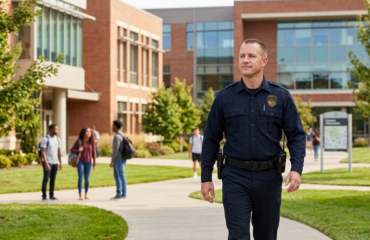
- Patrol the property
- Monitor parking areas
- Support approved store procedures
- Document incidents
- Assist employees with security concerns
- Communicate with supervisors or dispatch
A visible officer may discourage some unwanted activity. However, no security provider should promise that the presence of a guard will prevent every theft or incident.
3. Define How Suspected Shoplifting Should Be Handled
Retail employees and security personnel need clear procedures for suspected theft.
The store should decide in advance:
- Who receives notification
- What employees should observe and report
- When security becomes involved
- When management becomes involved
- When law enforcement should be contacted
- How incidents should be documented
Security officers should follow the retailer’s approved procedures, company policies, their training, and applicable law.
They should not rely on assumptions about customers. Instead, security decisions should be based on observable behavior and established procedures.
4. Protect Employees as Well as Inventory
Retail security should not focus only on merchandise.
Employees may work early mornings, evenings, closing shifts, or periods when few other people are present.
Depending on the store, security coverage may support:
- Opening procedures
- Closing procedures
- Parking-area observation
- Employee escorts when approved
- Response to disturbances
- De-escalation
- Incident reporting
Most importantly, employees should know how to contact security or management when a situation makes them uncomfortable or requires assistance.
5. Use De-Escalation During Difficult Customer Interactions
Retail employees may occasionally deal with frustrated customers, disputes, suspected theft, intoxicated individuals, or other difficult situations.
Professional security personnel should use calm communication when circumstances allow.
Useful practices may include:
- Speaking calmly
- Listening before responding
- Maintaining professional body language
- Keeping appropriate distance
- Explaining store procedures clearly
- Avoiding unnecessary arguments
- Requesting additional assistance when needed
When a situation requires law enforcement, medical personnel, or another responsible authority, the officer should follow the approved escalation process.
6. Monitor Retail Entrances and Exits
Entrances and exits are important points in a retail security plan.
Depending on store procedures, officers may:
- Maintain a visible presence near the entrance
- Observe customer traffic
- Monitor restricted employee entrances
- Report damaged doors or locks
- Watch for unusual after-hours activity
- Support closing procedures
However, the officer should not interfere with normal customer traffic unless a legitimate security concern requires attention.
7. Protect Stockrooms and Employee-Only Areas
Retail stores may have back rooms, offices, cash-handling areas, storage rooms, and employee-only spaces that require more controlled access.
Security procedures may include:
- Restricted-door checks
- Employee credential procedures
- Vendor access
- Delivery procedures
- Stockroom access rules
- After-hours door checks
Management should establish who is authorized to enter these areas.
Security personnel should then support those procedures consistently.
8. Review Delivery and Vendor Procedures
Small retailers may receive deliveries through rear doors, side entrances, loading areas, or directly through the storefront.
Therefore, delivery procedures should be clearly defined.
Depending on the store, security may help:
- Verify scheduled deliveries
- Direct drivers
- Monitor service entrances
- Maintain vendor logs
- Report unauthorized access
- Observe loading or unloading activity
Clear procedures reduce confusion when employees, customers, vendors, and delivery drivers are using the property at the same time.
9. Patrol Retail Parking Areas
Retail security can extend beyond the front door.
Parking areas may remain active before opening, during business hours, and after closing.
Security patrols may review:
- Customer parking
- Employee parking
- Vehicle entrances
- Exterior walkways
- Lighting
- Delivery areas
- Remote sections of the lot
During patrols, officers can report suspicious activity, property damage, lighting failures, unauthorized vehicles, or other conditions requiring attention.
10. Use Mobile Patrol When a Standing Guard Is Not Needed
Not every small business needs a security officer inside the store throughout the entire day.
For some properties, mobile patrol services may provide a more appropriate level of coverage.
Mobile patrol may include:
- Opening or closing checks
- Parking-area patrols
- Exterior inspections
- Door checks
- Randomized after-hours visits
- Alarm response
- Documented property checks
For example, a small store may operate normally during the day but use patrol visits after closing.
11. Use Cameras to Support Retail Security
Security cameras can provide additional visibility inside and outside the store.
Approved camera locations may include:
- Entrances
- Checkout areas
- Sales floors
- Stockroom entrances
- Parking areas
- Exterior doors
However, cameras alone do not create a complete security response.
The retailer should decide who reviews footage, what activity requires attention, who receives notification, and when physical security personnel should respond.
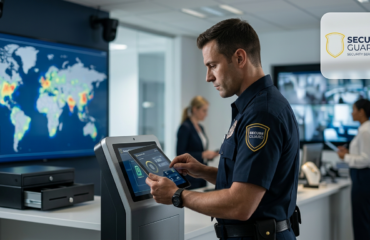
Secure Guard can combine officers and patrols with video monitoring services when a retail property needs additional visibility.
12. Plan Security for Opening and Closing
Opening and closing periods can create different conditions from normal business hours.
For example, only one or two employees may be present before customers arrive or after the store closes.
Security procedures may include:
- Exterior checks
- Parking-area observation
- Door and lock checks
- Employee communication procedures
- Alarm procedures
- After-hours patrols
The exact process should reflect the store, staffing level, operating hours, and previous concerns.
13. Prepare for Holiday and Promotional Crowds
Retail traffic can increase during holidays, special promotions, product launches, or seasonal sales.
During higher-traffic periods, stores may need additional attention around:
- Entrances
- Checkout areas
- Parking lots
- Lines
- High-demand merchandise
- Closing time
Temporary security staffing can be adjusted around periods when customer volume changes significantly.
14. Use Site-Specific Post Orders
Retail security officers need clear written instructions.
Post orders may define:
- Officer responsibilities
- Patrol routes
- Shoplifting procedures
- Parking responsibilities
- Restricted areas
- Emergency contacts
- Incident-reporting requirements
- Management notification procedures
Without clear post orders, different officers may respond differently to similar situations.
Therefore, procedures should be written around the individual retailer rather than copied from another property.
15. Require Clear Incident Reporting
Retail owners should have a record of significant security activity.
Depending on the incident, officers may document:
- Date and time
- Location
- What the officer observed
- People involved
- Actions taken
- Store personnel notified
- Law-enforcement involvement
- Property damage
- Photos when appropriate
- Items requiring follow-up
Reports should remain factual and distinguish observations from assumptions.
16. Use SecureTrack for Accountability
Secure Guard uses SecureTrack to support reporting, patrol verification, and field accountability.
Depending on the service configuration, SecureTrack can support:
- Officer attendance
- GPS-supported patrol activity
- Security checkpoints
- Daily Activity Reports
- Incident reports
- Photos
- Post-order access
- Supervisor visibility
As a result, authorized business owners and managers can gain greater visibility into security activity at the property.
17. Support Officers With 24/7 Dispatch
Retail security incidents can happen during evenings, weekends, holidays, opening periods, or after closing.
Therefore, field officers benefit from access to operational support.
Secure Guard personnel are supported through a 24/7 Dispatch and Operations Center.
Depending on the situation, dispatch can help:
- Receive officer updates
- Contact field supervisors
- Notify approved client contacts
- Coordinate additional personnel
- Support incident escalation
- Document important communications
This gives officers a defined support structure instead of requiring one person to manage every situation alone.
18. Use Active Field Supervision
Technology can support accountability. However, professional retail security still requires human supervision.
Field supervisors may review:
- Officer attendance
- Professional appearance
- Post-order compliance
- Patrol completion
- Reporting quality
- Training needs
- Client concerns
In addition, supervisor visits can help identify performance problems before they become recurring service issues.
19. Armed or Unarmed Security for Small Retailers?
Most small retail properties do not automatically require armed security.
Professional unarmed officers are often well suited to:
- Customer-facing environments
- Entrance observation
- Parking patrols
- Incident reporting
- Employee support
- De-escalation
Higher-risk retailers may consider armed coverage after reviewing documented threats, previous serious incidents, valuable assets, operating conditions, and client policies.
Secure Guard provides armed and unarmed security officers based on each property’s risk profile.
20. Verify California Security Guard Requirements
Retailers should verify that assigned security personnel meet California requirements.
The Bureau of Security and Investigative Services regulates Security Guard Registrations in California. Current basic requirements include:
- Being at least 18 years old
- Completing required Power to Arrest training
- Completing DOJ and FBI criminal-history background checks
- Completing required security-officer skills training
- Completing annual continuing training
Current requirements are available through the California BSIS Security Guard Registration Fact Sheet.
Therefore, ask the provider how officer registrations and required training are verified before deployment.
Retail Security by Business Type
Clothing Stores
Security may focus on sales-floor observation, fitting-room-area procedures, entrances, closing routines, and parking coverage.
Jewelry and High-Value Retail
Higher-value stores may require additional access controls, officer coverage, camera coordination, and risk-specific security procedures.
Hardware and Equipment Stores
Security may focus on high-value tools, outdoor merchandise, loading areas, parking, deliveries, and closing procedures.
Convenience and Small Grocery Stores
Security may focus on public entrances, evening operations, employee support, parking areas, customer disturbances, and incident reporting.
Specialty Retail
Specialty stores may need security around high-value inventory, product launches, seasonal traffic, stockrooms, or limited staffing periods.
When Does a Small Retail Store Need a Security Guard?
There is no single answer for every retailer.
A store may consider professional security when it experiences:
- Repeated theft concerns
- Employee safety concerns
- Parking-area incidents
- Frequent disturbances
- High-value inventory
- Late operating hours
- Limited staffing
- Large seasonal crowds
- Repeated unauthorized access
However, the best first step is a security assessment rather than assuming every store needs a full-time guard.
How Secure Guard Supports Small Retail Businesses
Secure Guard Security Services provides security for individual retail stores, shopping properties, commercial businesses, and other customer-facing environments.
Depending on the property, coverage can include:
- Professional retail security officers
- Entrance coverage
- Foot patrols
- Mobile patrol
- Parking-area security
- After-hours checks
- Video monitoring
- Incident reporting
- SecureTrack reporting
- 24/7 dispatch support
- Field supervision
- Site-specific post orders
For larger multi-tenant retail properties, learn more about Secure Guard shopping center security services.
Request a retail security assessment to discuss your store, operating hours, parking areas, inventory, and security concerns.
Frequently Asked Questions About Retail Security for Small Businesses
What do retail security guards do?
Retail guards may monitor entrances, observe customer areas, patrol parking lots, support approved theft procedures, document incidents, assist employees, and follow store-specific security instructions.
Does every small retail store need a security guard?
No. Some retailers may benefit from full-time officer coverage, while others may use mobile patrol, video monitoring, or additional security only during higher-risk periods.
Can retail security guards stop shoplifting?
Security personnel can observe suspicious activity and follow the retailer’s approved procedures. No security provider should guarantee that all shoplifting will be prevented.
Can security guards patrol retail parking lots?
Yes. Retail security programs can include customer parking, employee parking, exterior walkways, delivery areas, and other designated portions of the property.
Should small retailers use armed security guards?
Not automatically. Many retail environments are better suited to professional unarmed officers because customer interaction, observation, patrols, reporting, and de-escalation are major parts of the assignment.
Can retail security work with cameras?
Yes. Video monitoring can provide additional visibility across approved areas, while on-site officers or mobile patrol personnel can provide a physical response according to the store’s procedures.
How are retail security incidents documented?
Depending on the service configuration, officers can complete incident reports, Daily Activity Reports, photos, patrol records, and other documentation through SecureTrack.
Does Secure Guard provide security for small retail stores?
Yes. Secure Guard provides retail security for individual stores, shopping properties, and other customer-facing businesses based on each property’s operating hours, layout, parking, inventory, and security needs.