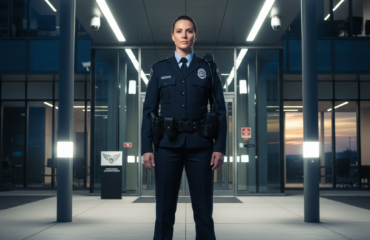
Layered security solutions combine professional security personnel, patrols, technology, supervision, reporting, and clear procedures rather than relying on one security measure to protect an entire property.
A camera can provide visibility, but it cannot physically inspect an unlocked gate. A security officer can manage an entrance, but one fixed post may not provide coverage across a large parking area or warehouse yard. Mobile patrols can extend coverage, while digital reporting helps property managers understand what actually occurred during each shift.
For many commercial properties, residential communities, warehouses, construction sites, hotels, healthcare facilities, and retail locations, the strongest approach is to select the right combination of security layers based on the property’s actual risks and operations.
Secure Guard provides professional security services that may combine on-site officers, mobile patrols, video monitoring, surveillance towers, dispatch support, field supervision, and SecureTrack reporting.
What Are Layered Security Solutions?
Layered security solutions use several complementary security measures to address different parts of a property’s risk profile.
Depending on the site, those layers may include:
- On-site security officers
- Mobile patrol services
- Access-control procedures
- Visitor and vendor management
- Video monitoring
- Mobile surveillance towers
- Lighting and physical barriers
- Incident reporting
- Patrol verification
- Dispatch coordination
- Field supervision
The goal is not to use every available security service. Instead, property managers should identify which combination addresses the site’s actual vulnerabilities without creating unnecessary complexity or cost.
Organizations can also review CISA physical-security planning resources for additional guidance on evaluating facilities and security measures.
Why One Security Measure May Not Be Enough
Every security measure has strengths and limitations.
For example:
- Cameras provide visual coverage but cannot physically check a suspicious area.
- A standing officer can manage access but cannot observe an entire large property at once.
- Mobile patrols cover wider areas but are not continuously present at every location.
- Access-control systems restrict entry but still depend on clear credential and visitor procedures.
- Reports document activity but only provide value when management reviews and acts on the information.
Layering these measures can help close gaps that might remain if a property relies on only one security tool.
Layer 1: Start With a Property and Risk Review
Effective layered security solutions should begin with an assessment of how the property actually operates.
The review should consider:
- Property layout
- Entrances and exits
- Operating hours
- Parking areas
- Visitor activity
- Employee shift changes
- Vendor and delivery schedules
- Restricted areas
- Previous incidents
- Existing cameras and alarms
- High-value assets
- After-hours activity
Once these factors are understood, the security provider can recommend an appropriate combination of personnel, patrols, monitoring, procedures, and reporting.
Layer 2: Use On-Site Security Officers at Critical Posts
Some areas benefit from a consistent physical security presence.
Professional officers may support:
- Lobby coverage
- Visitor registration
- Employee access
- Gate security
- Vendor verification
- Restricted-area control
- Foot patrols
- Incident reporting
- Emergency communication
The U.S. Bureau of Labor Statistics identifies patrols, access control, alarm and video monitoring, security checks, emergency response, and report writing among common security guard duties.
Secure Guard provides armed and unarmed security officers based on the property’s operating environment and risk profile.
Use Unarmed Officers Where Appropriate
Unarmed officers may work well in offices, apartments, hotels, healthcare properties, retail locations, and other environments where access management, patrols, customer interaction, and reporting are the primary responsibilities.
Consider Armed Officers for Higher-Risk Conditions
Armed coverage may be appropriate when a property has documented serious threats, high-value assets, sensitive operations, or other elevated risks.
The officer type should follow a site-specific assessment rather than a generic staffing model.
Layer 3: Extend Coverage With Mobile Patrols
Large properties often contain areas that cannot be effectively covered by one stationary officer.
Mobile patrol services can provide scheduled or randomized checks across:
- Parking lots
- Parking garages
- Building perimeters
- Warehouse yards
- Equipment-storage areas
- Construction sites
- Apartment communities
- Multi-building properties
Patrol officers may check doors and gates, inspect parking areas, observe property conditions, verify alarms, document unusual activity, and follow client-approved escalation procedures.
Patrol routes should be defined and documented rather than relying on informal drive-through visits.
Layer 4: Add Video Monitoring for Broader Visibility
Security cameras can provide visibility across several locations at the same time.
Common camera areas may include:
- Entrances
- Parking areas
- Loading docks
- Building perimeters
- Warehouses
- Common areas
- Construction sites
However, cameras that simply record footage may provide limited value during an active incident if no one reviews or responds to the activity.
Secure Guard’s video monitoring services can support observation, activity verification, documentation, communication, and client-approved escalation procedures.
Monitoring can also support on-site officers or mobile patrol personnel when physical verification is required.
Layer 5: Use Surveillance Towers for Large Outdoor Areas
Some properties need flexible camera coverage in areas where permanent infrastructure is unavailable or impractical.
Mobile surveillance towers may be useful around:
- Construction sites
- Industrial yards
- Parking areas
- Equipment-storage zones
- Vacant properties
- Temporary project locations
Surveillance towers can supplement fixed cameras, on-site officers, or mobile patrols based on the site’s needs.
The placement should reflect actual blind spots, access routes, lighting, vehicle movement, and known areas of concern.
Layer 6: Build Clear Access-Control Procedures
Physical security depends on more than locks or electronic access cards.
Businesses should establish clear procedures for:
- Employees
- Visitors
- Vendors
- Contractors
- Deliveries
- Vehicles
- Temporary credentials
- After-hours access
- Restricted areas
Security officers can support these procedures when their responsibilities are clearly defined through site-specific post orders.
Management should also periodically review old credentials, lost keys, inactive employees, and access permissions to make sure procedures still match current operations.
Layer 7: Connect Everything Through Reporting
A security program becomes more useful when property managers can see what actually happened.
Security reporting may include:
- Daily activity reports
- Incident reports
- Patrol checkpoints
- Photographs
- Visitor records
- Vehicle logs
- Property-condition observations
- Follow-up requirements
Secure Guard uses SecureTrack security reporting and patrol verification to support GPS-backed patrol records, incident reports, photos, checkpoints, videos, post orders, and other security documentation depending on the client’s program.
These records can help management identify recurring concerns and determine whether patrol schedules, access procedures, staffing, or other security measures need adjustment.
Layer 8: Support Officers With Dispatch and Field Supervision
Security personnel should not operate without a clear support structure.
A professional program should define:
- Who officers contact after hours
- How serious incidents are escalated
- Who handles call-offs and replacement staffing
- How supervisors review officer performance
- How property managers report service concerns
Field supervisors can help confirm that officers follow post orders, complete required patrols, document incidents, and maintain professional standards.
Dispatch support can also help coordinate communication between officers, patrol personnel, monitoring staff, supervisors, and clients.
How Layered Security Solutions Work in Different Properties
The appropriate combination of security measures changes based on the environment.
Commercial Office Buildings
A commercial office may combine a lobby officer, visitor-management procedures, parking patrols, cameras, and after-hours access rules.
Warehouses and Logistics Facilities
A warehouse may use gate officers, truck and vendor verification, perimeter patrols, loading-area cameras, video monitoring, and SecureTrack reporting.
Construction Sites
A construction project may combine gate procedures, mobile patrols, surveillance towers, equipment-area monitoring, and after-hours reporting.
Apartment Communities and HOAs
Residential properties may use guest procedures, parking patrols, amenity checks, video monitoring, and incident reporting.
Hotels and Hospitality Properties
A hotel may combine lobby security, guest and vendor procedures, parking patrols, event officers, camera coverage, and discreet incident management.
Healthcare Properties
Healthcare facilities may need visitor management, access control, patrols, parking coverage, video monitoring, de-escalation procedures, and detailed incident reporting.
Layered Security Does Not Mean Buying Every Security Service
Adding more security measures does not automatically create a better program.
Unnecessary services can increase costs, complicate procedures, and make management more difficult.
Instead, security coverage should address documented risks.
For example:
- A small office may only need an unarmed officer and visitor procedures.
- A business park may benefit from mobile patrols and cameras.
- A warehouse may need gate security, patrols, monitoring, and reporting.
- A construction site may need surveillance towers and overnight patrols.
The objective is to select the right layers—not the greatest number of layers.
Avoid Unsupported Technology Claims
Technology can strengthen physical security, but property managers should understand exactly what a system does before relying on marketing terms such as artificial intelligence, predictive security, biometrics, or automated threat detection.
Questions to ask include:
- What does the system actually detect?
- Who reviews alerts?
- What happens after an alert occurs?
- Does the technology integrate with existing cameras?
- How are false alerts handled?
- Who maintains the equipment?
Technology should solve a real security problem rather than be added simply because it is new.
Questions to Ask When Building a Layered Security Program
Before choosing a security provider or changing coverage, ask:
- What are our most important security risks?
- Which areas require continuous visibility?
- Where do we need a physical officer?
- Would mobile patrols provide enough coverage?
- Do our cameras have blind spots?
- Who responds when monitoring detects suspicious activity?
- Are visitor and vendor procedures clear?
- How will patrol activity be verified?
- What reports will management receive?
- How will officers be supervised?
The answers can help determine which security layers are actually necessary.
Build Layered Security Around Your Property
Effective layered security solutions combine the right people, procedures, technology, supervision, and reporting based on the property’s actual operations.
Secure Guard Security Services provides professional security officers, mobile patrols, video monitoring, surveillance towers, dispatch support, field supervision, site-specific post orders, and SecureTrack reporting.
Explore our full range of professional security services.
To discuss a security program for your property, call 888-908-7818 or request a security consultation with Secure Guard.