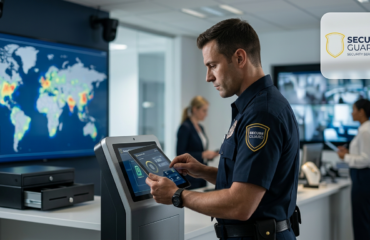
Business leaders can face security concerns that differ from those of a typical employee or property. Travel, public appearances, shareholder meetings, business disputes, media exposure, high-profile transactions, and predictable schedules can all increase personal exposure.
For that reason, effective executive protection for business leaders should involve much more than assigning someone to stand beside an executive.
Professional executive protection combines risk assessment, advance planning, secure movement, close protection, venue coordination, emergency planning, and discreet situational awareness. Most importantly, the security plan should fit the executive’s schedule without unnecessarily disrupting business operations.
This guide explains how executive protection works, when a business leader may need it, and what companies should expect from a professional protection provider.
What Is Executive Protection?
Executive protection is a specialized security service focused on reducing personal safety risks for corporate leaders, business owners, board members, public figures, high-net-worth individuals, and other people with increased exposure.
Depending on the assignment, executive protection may include:
- Risk and threat assessment
- Advance planning
- Close protection
- Route planning
- Secure transportation coordination
- Airport transfers
- Venue assessments
- Corporate event coverage
- Public appearance security
- Residence and family coordination
- Emergency planning
- 24/7 operational support
Therefore, executive protection is better understood as a planned security operation rather than simply a traditional bodyguard service.
1. Start With a Risk Assessment
Before assigning protection personnel, the provider should understand why the executive needs security.
A risk assessment may consider:
- Known threats
- Previous incidents
- Public visibility
- Business activities
- Travel frequency
- Daily routines
- Upcoming meetings or events
- Media appearances
- Online exposure
- Workplace environment
- Residence security
- Family considerations
As a result, the protection plan can focus on actual exposure rather than assuming every executive needs the same level of security.
For example, an executive attending several public conferences may require a different approach from a business owner who mainly travels between a private residence and a controlled corporate office.
2. Advance Planning Happens Before the Executive Arrives
A large part of executive protection takes place before the principal enters a location.
Advance work may include reviewing:
- Meeting locations
- Hotels
- Event venues
- Airports
- Parking arrangements
- Entrances and exits
- Primary travel routes
- Alternate routes
- Vehicle staging
- Private meeting areas
- Emergency exits
- Nearby medical facilities
For example, a protection specialist may identify a more discreet entrance before a public appearance or confirm an alternate route in case traffic disrupts the original plan.
Therefore, strong executive protection relies on preparation rather than waiting for a problem to occur.
3. Close Protection Should Be Professional and Discreet
Executive protection does not have to look aggressive.
In many corporate environments, a highly visible or intimidating security presence can draw unnecessary attention.
Instead, protection specialists should demonstrate:
- Professional judgment
- Situational awareness
- Discretion
- Clear communication
- Professional appearance
- Calm behavior under pressure
- Respect for privacy
- Ability to adapt to changing schedules
Most importantly, the specialist should support the executive’s normal activities rather than become the focus of them.
Secure Guard’s executive protection services are built around the principal’s schedule, risk profile, travel requirements, and privacy expectations.
4. Secure Movement Is a Major Part of Executive Protection
Movement between locations can create additional exposure.
Business leaders may travel between:
- Corporate offices
- Airports
- Hotels
- Meetings
- Restaurants
- Conference centers
- Public events
- Private residences
Therefore, executive protection may include planning for arrivals, departures, vehicle staging, route changes, and alternate destinations.
In addition, the protection team should understand the entire itinerary instead of treating each stop as a separate assignment.
5. Route Planning Reduces Unnecessary Exposure
Route planning is more than selecting the fastest route on a map.
Depending on the assignment, protection specialists may consider:
- Traffic conditions
- Public exposure
- Arrival locations
- Parking arrangements
- Construction or road closures
- Large public gatherings
- Alternate routes
- Emergency destinations
For example, a secondary route can become important when the primary route is blocked or unexpectedly exposed.
As a result, transportation planning gives the protection team more options when conditions change.
6. Executive Travel Requires Additional Planning
Business travel can introduce unfamiliar locations, changing schedules, airports, hotels, meetings, and public environments.
Therefore, travel-related protection may include:
- Airport transfer planning
- Vehicle coordination
- Hotel arrival procedures
- Venue reviews
- Meeting-site assessments
- Local route planning
- Schedule monitoring
- Contingency planning
In addition, multi-city trips may require coordination between several drivers, venues, hotels, and security personnel.
The goal is to make travel safer and more organized without unnecessarily interfering with the executive’s itinerary.
7. Corporate Meetings Can Require Executive Protection
Executive protection is not limited to celebrities or public figures.
Corporate leaders may need additional security during:
- Shareholder meetings
- Board meetings
- Mergers or acquisitions
- Labor disputes
- Company announcements
- Product launches
- High-profile negotiations
- Investor meetings
- Public presentations
Depending on the situation, the protection plan may include controlled entrances, private arrival routes, meeting-room access procedures, and coordination with corporate or venue security.
8. Public Appearances Require Venue Coordination
Executives may also participate in conferences, media interviews, trade shows, keynote presentations, community events, or other public appearances.
Before the executive arrives, the protection team may review:
- Venue entrances
- Backstage areas
- Speaker access
- Parking and vehicle staging
- Public interaction areas
- Restricted areas
- Emergency exits
- Departure routes
In addition, protection specialists may coordinate with venue management and event security so each team understands its responsibilities.
For larger public gatherings, executive protection can work alongside event security services.
9. Executive Protection Can Integrate With Corporate Security
Many companies already have internal security teams, access systems, reception personnel, or building security.
Executive protection should work with those existing resources rather than operate independently.
Coordination may involve:
- Corporate security directors
- Facility managers
- Executive assistants
- Drivers
- Reception personnel
- Event organizers
- Venue security
- Local law enforcement when appropriate
For example, the corporate security team may control building access while the executive protection specialist focuses on the principal’s movement and schedule.
As a result, responsibilities remain clear and unnecessary duplication is reduced.
10. Workplace Security May Be Part of the Protection Plan
An executive’s workplace can form one part of the overall protection environment.
Depending on the assessed risk, the protection plan may review:
- Executive entrances
- Office access
- Parking arrangements
- Visitor procedures
- Meeting-room locations
- Employee access
- Emergency exits
- Existing building security
However, executive protection should not replace the company’s broader workplace-security or workplace-violence prevention program.
Instead, executive protection should address risks specific to the principal while working within the organization’s existing safety procedures.
11. Residence and Family Considerations May Affect the Plan
For some executives, risk does not end when the workday finishes.
If the assessment identifies a need, protection planning may also consider:
- Residence access
- Regular travel routes
- Family schedules
- Public events
- Known exposure points
- Existing residential security systems
However, the level of coverage should reflect the actual risk rather than automatically extending full-time protection to every family member.
Privacy is especially important in residential environments. Therefore, any protection plan should limit access to personal information and schedules to personnel who genuinely need it.
12. Confidentiality Is a Core Executive Protection Requirement
Protection specialists can become exposed to sensitive information.
For example, they may learn:
- Travel schedules
- Residence locations
- Private meetings
- Business transactions
- Family routines
- Executive movements
- Confidential corporate information
Therefore, discretion should be treated as a basic professional requirement.
The provider should also have clear procedures for how schedules, contact information, incident reports, and other sensitive details are shared internally.
13. Emergency Planning Should Happen Before an Incident
A professional protection team should understand what happens if normal plans change.
Contingency planning may address:
- Medical emergencies
- Venue evacuations
- Vehicle problems
- Unexpected crowds
- Schedule changes
- Travel delays
- Security incidents
- Alternate meeting locations
Most importantly, the team should know who makes decisions and who needs notification.
The goal is not to predict every possible event. Instead, the protection plan should provide options when conditions change unexpectedly.
14. 24/7 Operations Support Adds Another Layer of Coordination
Executive schedules may include early departures, late events, overnight travel, weekends, or schedule changes outside normal business hours.
For that reason, protection specialists benefit from access to operational support.
Secure Guard executive protection assignments are supported by a 24/7 Dispatch and Operations Center.
Depending on the situation, operations personnel can help:
- Receive field updates
- Contact supervisors
- Coordinate additional personnel
- Support itinerary changes
- Communicate with approved client contacts
- Support incident escalation
As a result, the protection specialist has a defined support structure rather than operating alone.
15. SecureTrack Can Support Executive Protection Reporting
Executive protection often involves information that corporate security managers need to review.
Secure Guard uses SecureTrack as part of its security-management and reporting process.
Depending on the assignment, reporting can include:
- Officer check-ins
- Advance-site activity
- Venue-entry information
- Incident reports
- Relevant timestamps
- Supervisor activity
However, reporting should also respect the executive’s privacy and the organization’s confidentiality requirements.
16. Executive Protection Does Not Always Need to Be Armed
Not every executive protection assignment requires an armed specialist.
For many assignments, the primary responsibilities involve:
- Advance planning
- Situational awareness
- Secure movement
- Communication
- Venue coordination
- Access control
- De-escalation
- Emergency planning
On the other hand, higher-risk assignments may consider armed protection after reviewing the threat, location, operating environment, client policies, and applicable requirements.
In California, armed security personnel must hold the appropriate BSIS Firearms Permit in addition to the qualifying security registration or license.
Therefore, clients should verify the credentials of any specialist assigned to armed executive protection.
17. Executive Protection and Bodyguard Services Are Not Exactly the Same
The terms are often used interchangeably. However, executive protection usually refers to a broader security discipline.
A traditional bodyguard role may focus mainly on maintaining close physical proximity to the client.
Executive protection can also involve:
- Threat assessment
- Advance planning
- Route analysis
- Transportation logistics
- Venue coordination
- Travel planning
- Contingency planning
- Close protection
In other words, effective protection begins before the principal arrives.
For a buyer-focused checklist, read our guide on how to hire a professional bodyguard or executive protection provider.
Who May Need Executive Protection?
Executive protection can support individuals whose position, schedule, visibility, or circumstances create increased personal-security concerns.
Clients may include:
- Corporate executives
- C-suite officers
- Board members
- Business owners
- High-net-worth individuals
- Public figures
- Visiting dignitaries
- Keynote speakers
- High-profile guests
- Private families with documented security concerns
However, title or wealth alone does not automatically mean someone needs full-time protection.
A risk assessment should determine the appropriate level of coverage.
Can Executive Protection Be Temporary?
Yes. Protection does not always require a permanent detail.
Depending on availability and risk, organizations may request protection for:
- A single meeting
- An executive trip
- An airport transfer
- A shareholder meeting
- A corporate conference
- A keynote presentation
- A media appearance
- A temporary period of increased concern
Even short assignments can require advance planning because the team still needs to understand the itinerary, venue, transportation, communication procedures, and emergency options.
When Does an Executive Need More Than One Protection Specialist?
One specialist may be appropriate for some assignments. However, more complex details may require additional personnel.
Factors may include:
- Length of coverage
- Number of principals
- Public exposure
- Travel requirements
- Venue size
- Need for advance personnel
- Multiple vehicles
- Several simultaneous locations
- Threat level
For example, one specialist cannot remain with the executive while also conducting advance work at the next venue.
Therefore, staffing should follow the actual assignment rather than a fixed formula.
Questions to Ask an Executive Protection Provider
Before choosing a provider, ask how the protection detail will actually operate.
- Do you conduct a threat and risk assessment?
- How do you select protection specialists?
- Do you conduct advance work?
- Can you coordinate executive transportation?
- How do you plan primary and alternate routes?
- Can you support corporate events and public appearances?
- How do you protect client confidentiality?
- Is operational support available 24/7?
- How do specialists coordinate with corporate security?
- Can the detail scale if the itinerary changes?
- How are significant incidents documented?
- Can coverage be temporary or ongoing?
The provider should explain its planning and operational process rather than relying on the image of an intimidating bodyguard.
How Secure Guard Approaches Executive Protection
Secure Guard Security Services builds executive protection programs around each principal’s risk profile, schedule, travel requirements, public exposure, privacy needs, and operating environment.
Depending on the assignment, coverage can include:
- Threat and risk assessment
- Advance planning
- Close protection
- Route planning
- Transportation coordination
- Airport transfers
- Corporate meeting security
- Event and conference support
- Travel protection
- Discreet protection personnel
- SecureTrack reporting
- 24/7 dispatch support
- Field supervision
Most importantly, the protection strategy should support the executive’s responsibilities rather than unnecessarily disrupt them.
Explore Secure Guard Executive Protection Services or request an executive protection consultation to discuss your executive’s schedule, travel, exposure, and security concerns.
Frequently Asked Questions About Executive Protection for Business Leaders
What is executive protection?
Executive protection is a specialized security service that can combine risk assessment, advance planning, route coordination, secure movement, close protection, travel planning, venue security, and emergency preparation for individuals with increased personal-security exposure.
Is executive protection only for celebrities?
No. Corporate executives, board members, business owners, public officials, high-net-worth individuals, speakers, visiting dignitaries, and others may use executive protection when their risk profile supports it.
Does executive protection always involve an armed bodyguard?
No. Many assignments focus on planning, situational awareness, movement, communication, discretion, and de-escalation. Armed coverage should depend on the assessed risk and applicable licensing requirements.
Can executive protection include business travel?
Yes. Executive protection can include airport transfers, transportation coordination, hotels, venue reviews, route planning, meetings, public appearances, and multi-city itineraries.
Can executive protection support shareholder meetings and conferences?
Yes. Protection teams can support executive arrivals, restricted access, speaker movement, backstage areas, vehicle staging, departure routes, and coordination with event or venue security.
Can executive protection be provided for only one day?
Yes. Depending on availability and requirements, protection may be arranged for a single meeting, event, airport transfer, public appearance, business trip, or another temporary assignment.
What is the difference between executive protection and a bodyguard?
A bodyguard generally refers to an individual providing close personal protection. Executive protection is a broader discipline that can also include threat assessment, advance work, route planning, transportation, travel security, venue reviews, and contingency planning.
How do I choose an executive protection company?
Review the provider’s experience, risk-assessment process, officer selection, advance-planning capability, transportation coordination, discretion, operational support, reporting, supervision, and ability to adapt when the executive’s schedule changes.